
7 Design Tips for a Hotel Key Card Guests Notice
Practical design tips for hotel key cards that reinforce your brand, from layout and typography to material choice and finishing touches guests notice.
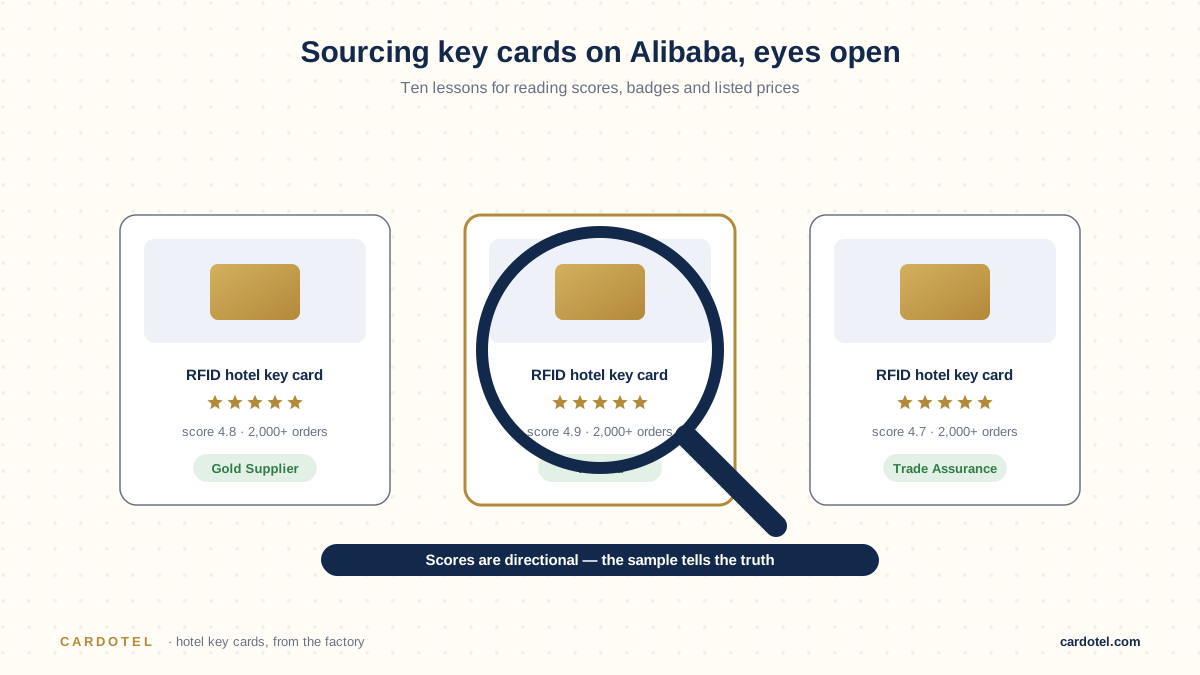
Vetting a hotel key card factory in China comes down to four checks: confirm the entity you are paying is the one that makes the cards, get written answers to a fixed set of specification and quality questions, test physical samples in your own locks and encoder, and agree in writing what happens if cards fail after delivery. Marketplace badges, certificates and a low quote are inputs to that process, not substitutes for it. Below are the questions, a sample-test protocol, a video-tour checklist and the importing basics.
Sourcing overseas means trusting photos, a sales rep and a few samples before a bulk order, and the gap between what is shown and what ships is where problems surface: cards that will not open a specific lock, colours that drift between batches, crushed cartons. Sourcing the right RFID inlay and confirming it works in Saflok, Onity, Salto or VingCard locks is its own specialty, so export experience with key cards matters more than general card-printing experience.
Start with a written hotel key card specification so every supplier answers the same chip or stripe, material, printing and quantity requirements; the chip selector helps if you are unsure which chip your locks use.
Send these in writing with your specification.
Can you confirm the card line by line: chip or stripe type, material, thickness, dimensions (standard ID-1 is 85.60 x 53.98 mm), finish, print method and packaging?
Which inlay or chip do you propose, and who supplies it? Ask whether it is the original IC or a compatible clone, since the two can behave differently in some lock firmware; for a type such as MIFARE Ultralight C, ask for the exact part reference on the quotation.
Do you ship cards blank, and what preparation, if any, is applied at the factory? Provide the lock and encoder models, issuing software and credential specification for each property, and ask your authorized system provider to confirm any required preparation. Keep guest data, live credentials and system security keys out of the inquiry.
What are the sample scope, quantity, charge and timing, and is a small pre-production trial quantity available before a bulk commitment? Physical samples, not renderings, are the only basis for approval.
Can you supply a physical colour proof matched to my Pantone reference, and how do you control colour drift on a reorder months later? Screen colours are not reliable proof; ask to see a comparable finished job on the same material.
What is checked on every card versus on a sample batch, and can I see your QC report format before I order? Ask whether every RFID card is read-tested after lamination and punching, and how failed cards are removed.
Which documents apply to the exact construction quoted: ISO 9001 certificate, amfori BSCI or SMETA audit records, REACH and RoHS material reports, ASTM or ISO test reports for degradable or bio-based materials? A certificate covers an entity, site or process; it does not by itself qualify a finished card or its lock compatibility. Check the issuer, entity, site, scope and validity period on the actual document.
Which lock brands have you produced compatible cards for, and can you share test records identifying the card specification, lock and encoder models, software versions and credential configuration? A successful test at another hotel does not establish compatibility at yours, but it shows the supplier keeps proper records.
Can you show carton and packaging photos from real past shipments, and what is the count per box and per carton?
What is the production lead time for this specification, in writing, and what typically extends it (artwork approval, chip availability, holidays)? A predictable lead time matters more to a property that cannot run out of cards than a marginally lower unit price.
What deposit and balance terms apply, is every cost itemized before the deposit, and are terms available for recurring orders? Some suppliers add charges after confirmation, so have setup, samples, inspection scope and delivery stated separately.
If cards fail to read, delaminate or arrive damaged, what is the claims process, what evidence is needed, and within what period? Agree this before the first order. The key card troubleshooting guide helps separate card faults from lock or encoder faults when a claim arises.
Agree the sample specification, quantity, preparation, fees and dispatch date, then follow a fixed protocol.
Acceptance criteria: every sample encodes and opens every representative lock on first presentation; no print defects, registration errors or edge lifting; dimensions within specification. If any sample fails, ask for the cause before ordering. Cardotel's sample plan follows this sequence.
A live walkthrough beats a produced video. Ask to move through the process in order.
| Station | What to ask to see | What it tells you |
|---|---|---|
| Sheet printing | Printed PVC or paper sheets coming off the press; a colour proof held against a printed sheet | Whether printing is in-house and how colour is controlled |
| Collation and lamination | Overlay film, inlay layer and printed layers being assembled; the laminating press | Whether the factory laminates its own sheets or buys pre-laminated stock |
| Punching | Cards being die-cut from laminated sheets; edge finish on a fresh card | Dimensional consistency and edge quality |
| Inlay and encoding station | Antenna inlay sheets; encoding or initialization equipment | Whether RFID work is done here or subcontracted |
| Read test | Cards passed over a reader; how failed cards are set aside | Whether read testing is per card or per sample |
| Packing | Counted stacks, inner boxes, cartons and labels for a real order | How your shipment will arrive |
If a station cannot be shown, ask why. Subcontracting is not disqualifying, but it should be disclosed.
Alibaba and similar platforms are one legitimate channel among several. Read the signals correctly:
| Sourcing channel | Typical strength | Typical trade-off |
|---|---|---|
| Marketplace (trading company) | Easy comparison shopping, buyer-protection tools | Extra markup layer, variable manufacturing transparency |
| Marketplace (factory storefront) | Lower markup, direct specification control | More vetting responsibility on the buyer |
| Trade shows | In-person sample review, relationship building | Time and travel cost, limited to the show schedule |
| Direct manufacturer outreach | Most control over specification and pricing | Requires knowing which factories to contact |
| Local distributor | Faster shipping, easier support | Higher per-unit cost than factory-direct |
Factory-direct buying means fewer markup layers and more control over specification, but the buyer carries the vetting a reseller would otherwise absorb. Neither route is universally better.
Incoterms 2020, published by the International Chamber of Commerce, define where the supplier's cost and risk end and yours begin.
| Incoterm | Who arranges shipping | Who carries transit risk | Best for |
|---|---|---|---|
| EXW (Ex Works) | You, from the factory door | You, the entire way | Experienced importers with their own forwarder |
| FOB (Free on Board) | You, from the port of origin | You, once loaded aboard | Buyers with a freight forwarder |
| CFR / CNF | Supplier arranges freight | You, once loaded aboard | Buyers with some import experience |
| CIF | Supplier arranges freight and insurance | You, once loaded aboard (insured) | First-time importers wanting coverage |
| DAP (Delivered at Place) | Supplier, to your address, duties unpaid | Supplier, until delivery | Buyers handling import duties themselves |
| DDP (Delivered Duty Paid) | Supplier, door to door, duties paid | Supplier, until delivery | Buyers wanting the simplest experience |
A supplier quoting "DDU" means the arrangement now called DAP; DDU was retired when Incoterms 2010 introduced DAP. For a first import, CIF, DAP or DDP tend to be least stressful.
A few thousand cards usually travel by express courier, with duties collected at delivery, in days. Larger volumes go by air freight or sea (typically less-than-container load), which takes weeks plus port clearance but costs far less per card.
Under the WCO Harmonized System, RFID and other smart cards are commonly declared under 8523.52 and magnetic stripe cards under 8523.21. Ask the supplier for the HS code up front and confirm classification and duty rate with your customs broker, since duties vary by country. Request from the supplier:
An established supplier handles the export side unprompted. The import side is yours, and a broker's fee is usually cheaper than a shipment stuck at port over missing paperwork.
| Area | Red flag | Green flag |
|---|---|---|
| Communication | Slow, vague or inconsistent replies | Prompt, specific answers to technical questions |
| Pricing | Dramatically lower than every other quote | Competitive and able to explain the cost breakdown |
| Samples | Renderings only, no route to physical approval | Sample scope, charges, timing and trial quantity explained |
| Documentation | Claims approvals but cannot produce relevant documents | Records with an identifiable issuer, entity, scope and date |
| Shipping | No packaging photos from past orders | Carton and packaging photos from real shipments |
The same process applies to resort wristbands and eco key cards.
Cardotel is a China-based hotel key card manufacturer and expects to be vetted the same way. Our quality review page sets out what to record before approving an order and states that document availability must be confirmed per construction; we do not publish blanket certificates or completed laboratory reports. Our sample plan asks for lock, encoder and credential details first, because a brand name alone is not enough, and the compatibility pages describe which card types are commonly used with each lock system and ask you to confirm with test samples in your own locks. Read the 10-point QC checklist for inspection steps to write into any order, then send us your specification with quantity per design, destination and confirmed credential details, and ask for setup, samples, inspection scope and delivery terms stated separately, as you would with anyone else.

Practical design tips for hotel key cards that reinforce your brand, from layout and typography to material choice and finishing touches guests notice.

A practical 10-point quality checklist for hotel key cards, covering materials, print accuracy, functional testing, encoding, and packaging before you ship.
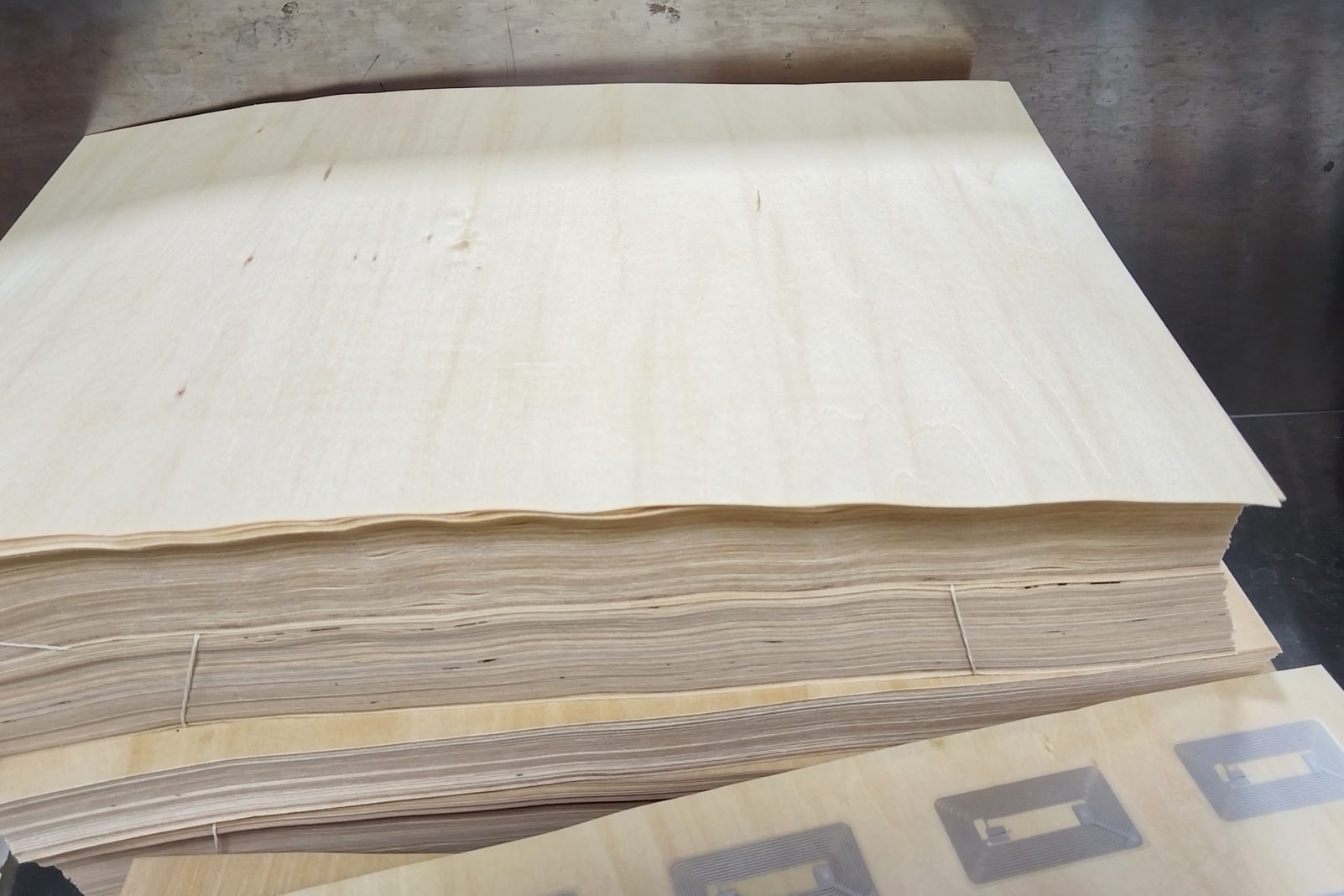
FSC-certified wooden key cards give hotels a documented sourcing claim, not just a green label. Here is what certification verifies, costs, and proves.