
Materials · Wood & Bamboo
Wooden & Bamboo RFID Hotel Key Cards
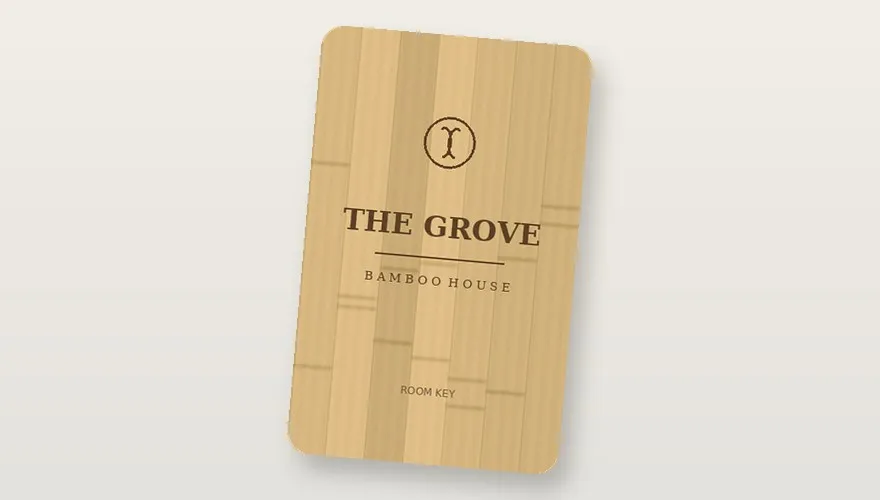
A key card with grain
Wood veneer and bamboo offer visible grain and a tactile finish. Select the species, coating and RFID construction together.
Indicative price per card
- Wooden RFID card (wood veneer)
- $0.30 – $1.60 per card
- Bamboo RFID card
- $0.25 – $1.50 per card
Indicative USD ranges per card at 1,000–4,999 pieces per design, four-colour offset printing included, EXW Dongguan. Freight, duties, taxes, special finishes, sleeves and credential preparation are quoted separately; the exact price is set in a dated quote.Full price table and quantity bands
A price range is not a compatibility statement. Confirm the chip with test samples in your own locks before ordering.
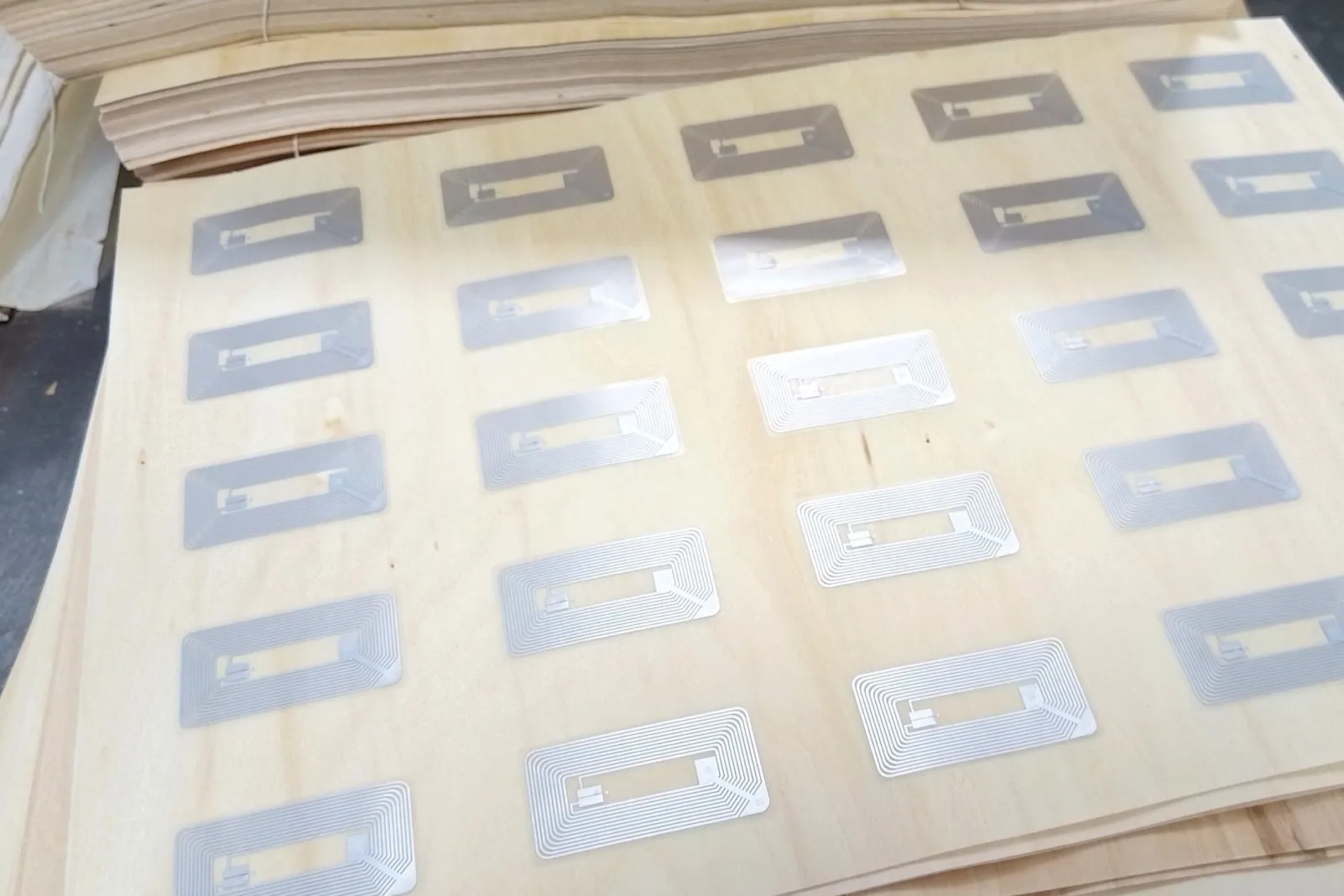
A wooden card can combine veneer, adhesive and an embedded RFID inlay. Grain and shade vary naturally. Engraving and printing should be approved on the selected surface, and humidity, thickness and read performance checked on a finished sample. FSC claims require valid documentation covering the supplier, product and order.
Highlights
Natural variation
Approve an acceptable range of grain, color and surface texture.
Engraving or printing
Compare a physical proof for detail, contrast and brand colors.
Complete construction
Adhesives, coatings and electronics affect durability and end-of-life options.
Specification checkpoints
- Material option
- Wood & Bamboo
- Illustrative layers
- Wood veneer → RFID inlay → Wood veneer
- Dimensions
- Confirm footprint, finished thickness, tolerances and encoder clearance on the approved drawing and sample.
- Material documentation
- Species and construction details, including adhesive and coating
- Performance evidence
- If an FSC claim is requested: current certificate scope, supplier claim and order documentation
How the layers fit together
This diagram explains a possible construction. Layer order, relative thickness and components are illustrative; the supplier specification and approved sample define the ordered build.
Illustrative stack; confirm actual layers and dimensions for the project.
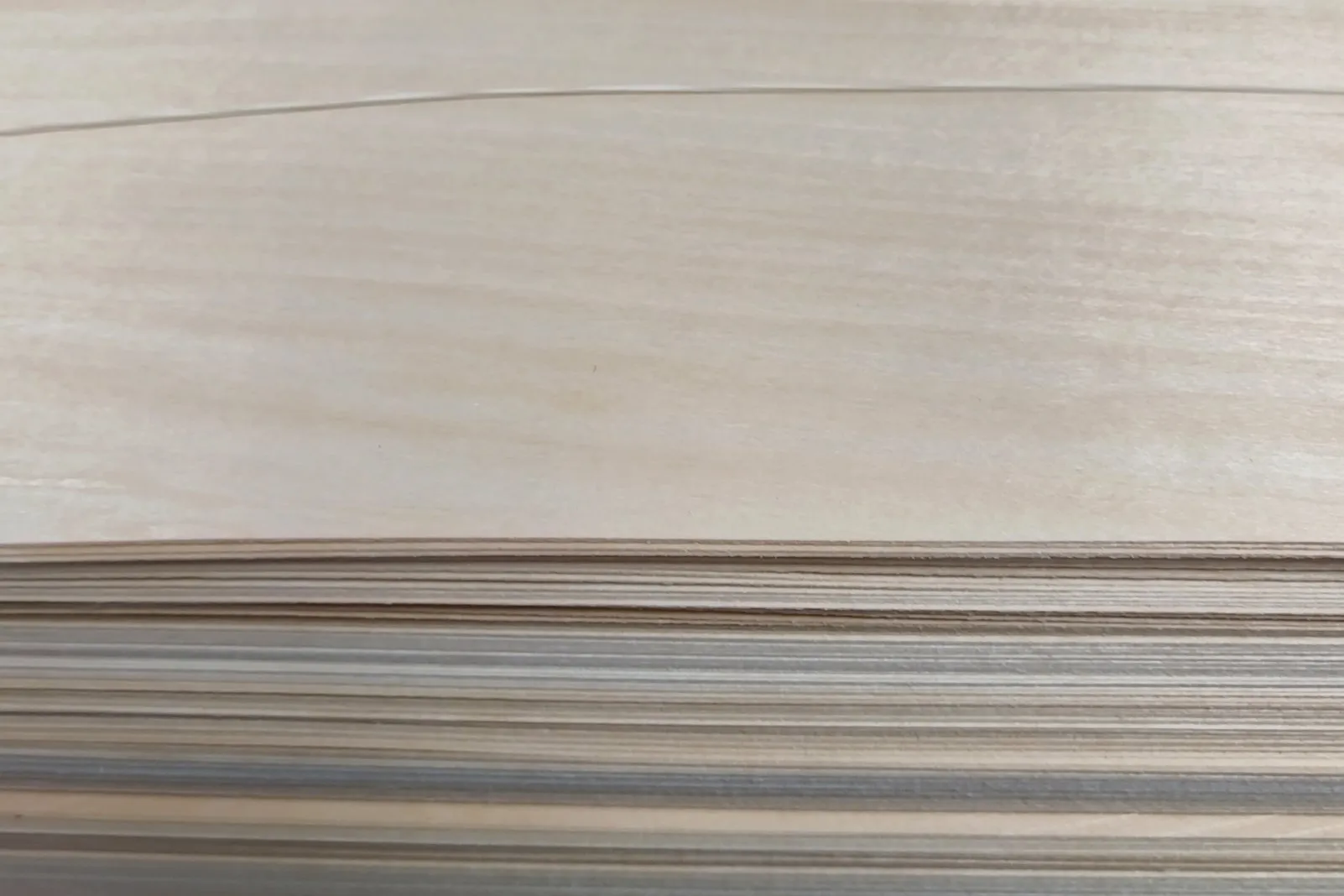
- Wood veneer Species, grain and coating affect the finished surface.
- RFID inlay Chip and antenna; test the complete assembly with the access system.
- Wood veneer Species, grain and coating affect the finished surface.
Before approving production
- Record the lock, encoder, software and credential configuration; test the finished sample on the installed system.
- Approve artwork, surface finish, dimensions and the intended handling conditions using a representative sample.
- Confirm minimum quantity, sample and production charges, shipping terms and lead time in the project quotation.
Compare related options
Material questions
Will all wooden cards look the same?
Natural grain, shade and engraving contrast vary, including within one species. Approve representative samples and an acceptable variation range; a digital artwork proof cannot show that range fully.
Does a wooden card guarantee an FSC claim?
No. Verify the current certificate holder, product scope and claim on the order documents. A reference to wood or to a supplier certificate does not by itself authorize an FSC claim on the finished card.
Can wooden cards handle pool and beach use?
Coatings and adhesive systems affect moisture resistance. Test wet handling, drying, swelling and reading under your intended conditions. Wood is not automatically waterproof, and prolonged soaking may be unsuitable.
Will the existing locks read wooden cards?
Compatibility depends on the chip, antenna, finished thickness and system configuration. Test a finished wooden sample with your locks and encoder before approving the material change.
Start your order
Planning your next key card order?
Share your lock and encoder details, quantity per design, artwork and destination. Confirm card options, MOQ, sample costs and delivery in your quote.