
Card Materials
Hotel Key Card Materials Compared
The material is half the message
Compare eight card-body materials and four components by appearance, construction, use conditions and the evidence needed for procurement.
Material choice affects printing, stiffness, moisture response and antenna performance. Evaluate the complete card with your locks and encoders. Minimum quantity, sample charges, price and lead time are confirmed for the specific construction and destination.
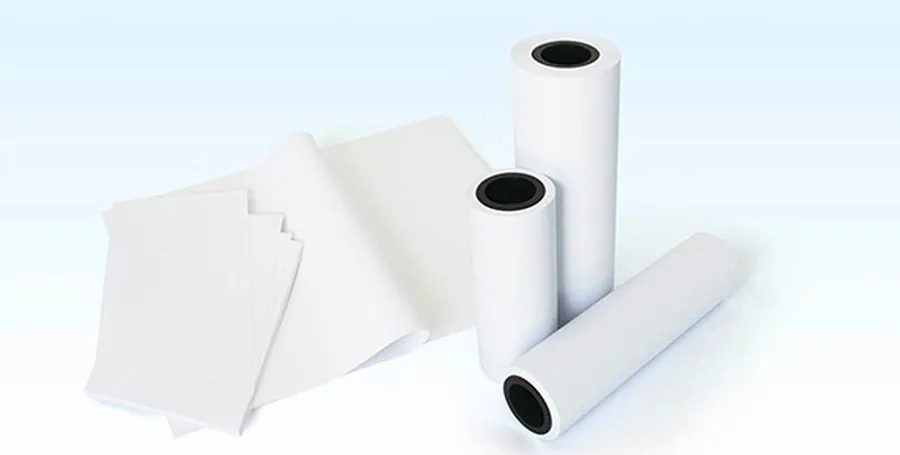
Standard PVC
PVC is a familiar option for printed hotel key cards. Compare finish, thickness and the complete credential specification for your project.
Learn more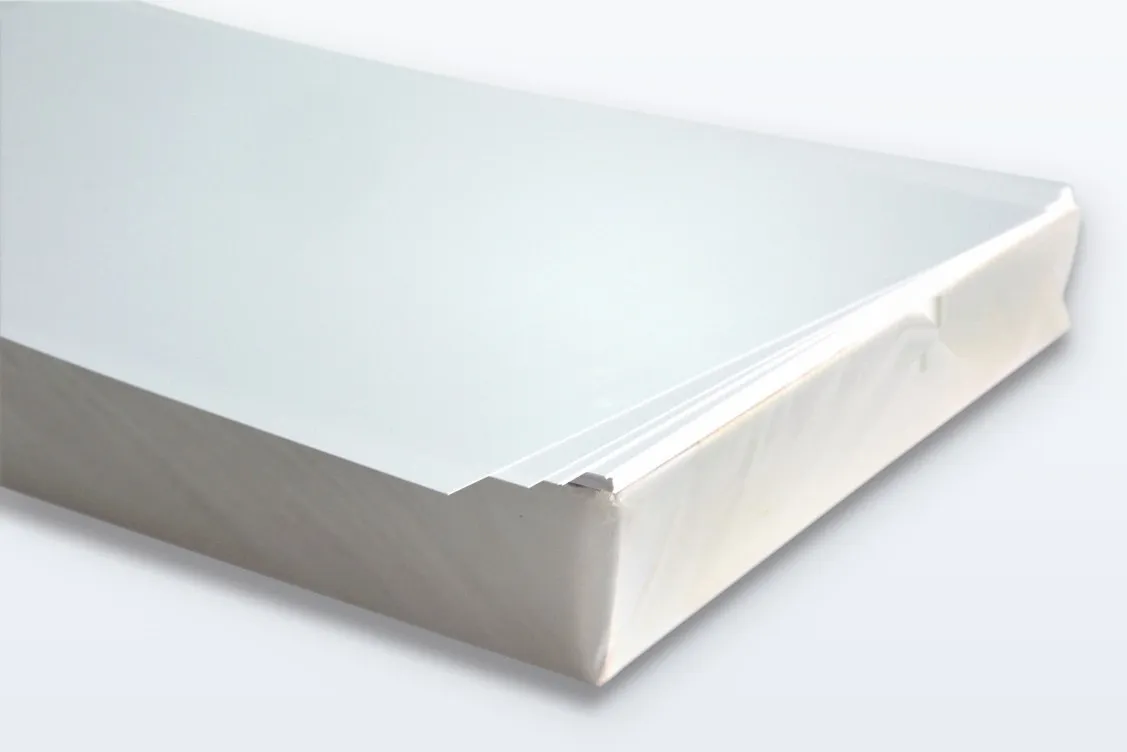
Degradable PVC
PVC containing degradation additives needs careful evidence review. The additive name or an ASTM reference alone does not establish landfill biodegradation.
Learn more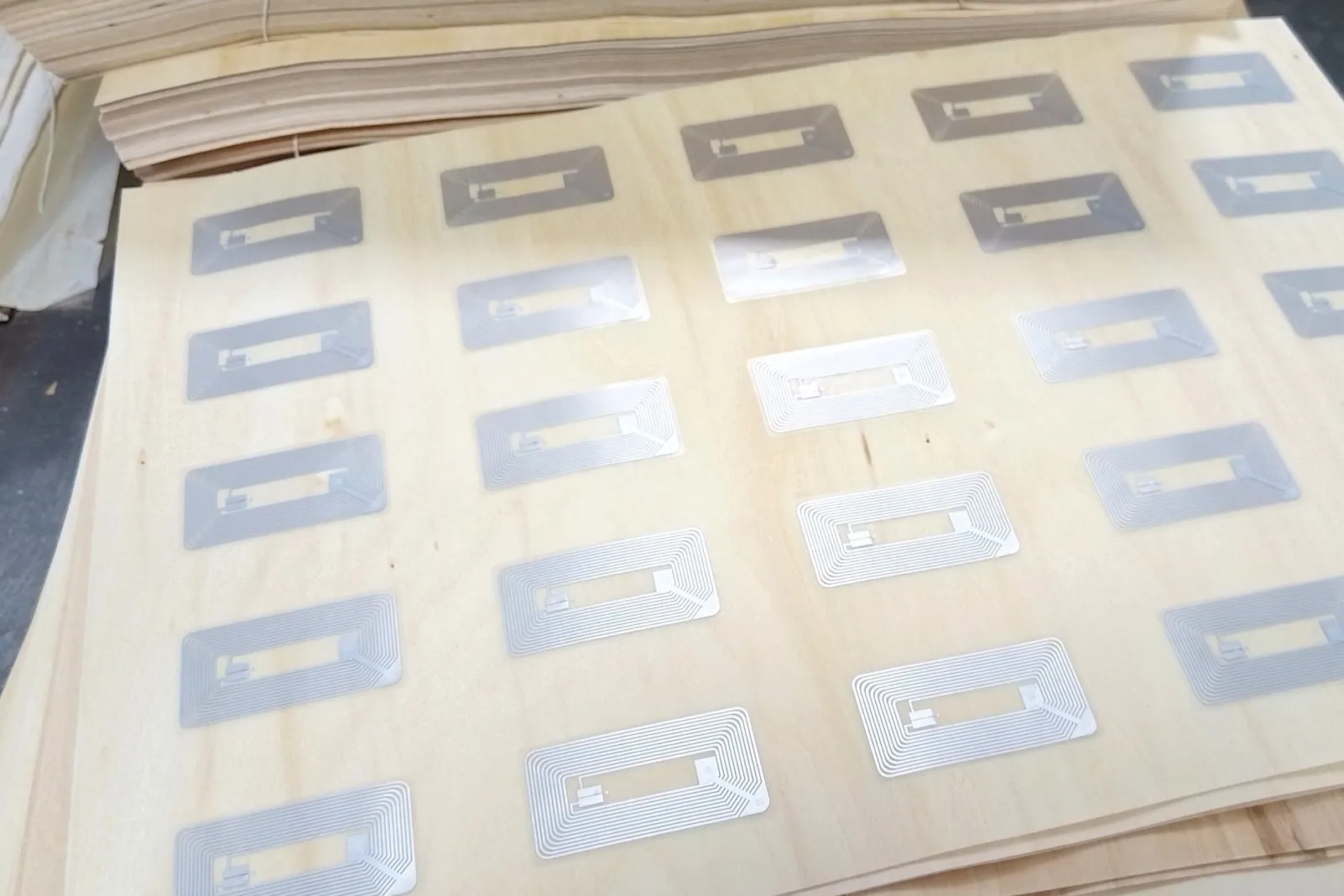
Wood & Bamboo
Wood veneer and bamboo offer visible grain and a tactile finish. Select the species, coating and RFID construction together.
Learn more
Coated Paper
Coated paper cards suit programs that prioritize print and low weight. Water resistance and disposal options depend on the whole card.
Learn more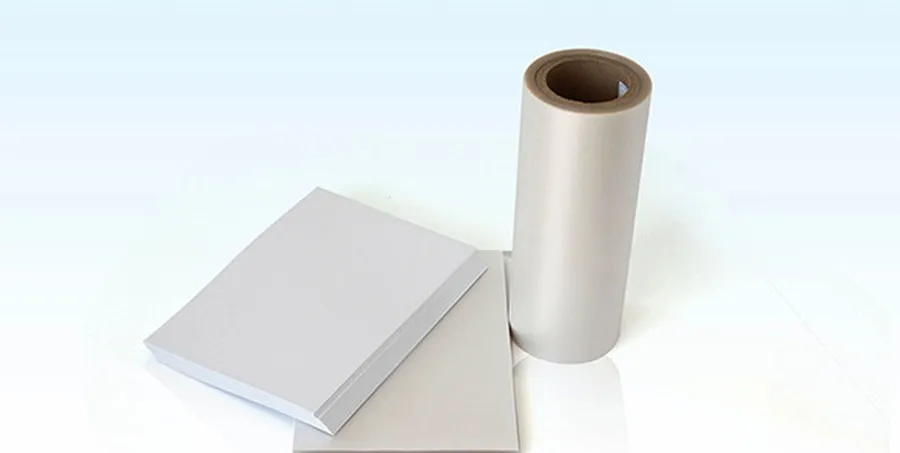
PETG
PETG is a copolyester option for card bodies. Compare its grade-specific print, flex and thermal behavior with the proposed PVC construction.
Learn more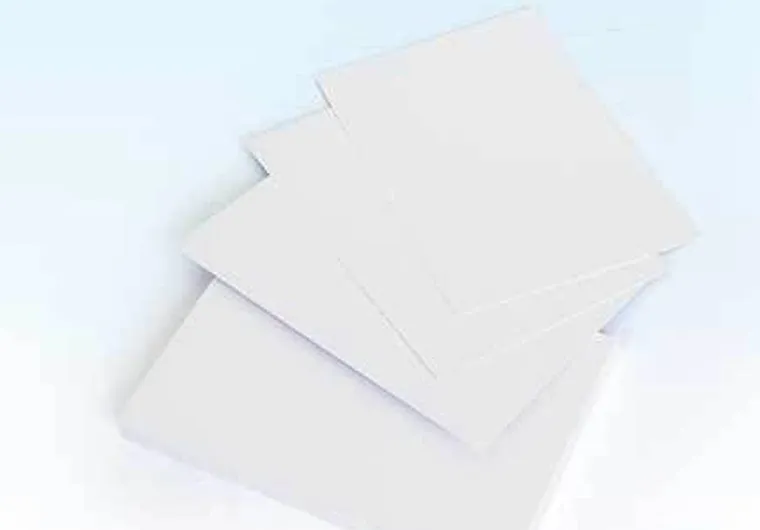
ABS & Composite
ABS and PVC-ABS blends can be considered for rigid credentials and fobs. Geometry, grade and assembly determine impact and heat performance.
Learn more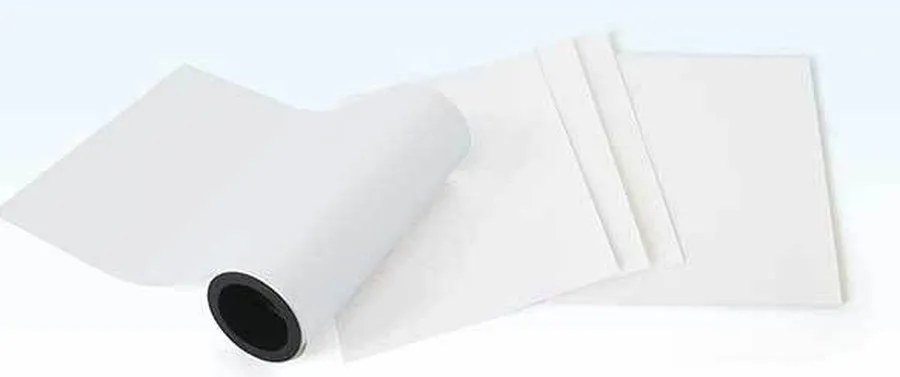
Polycarbonate (PC)
Polycarbonate supports multilayer card constructions and laser marking in suitable grades. Security and service life depend on the complete design.
Learn more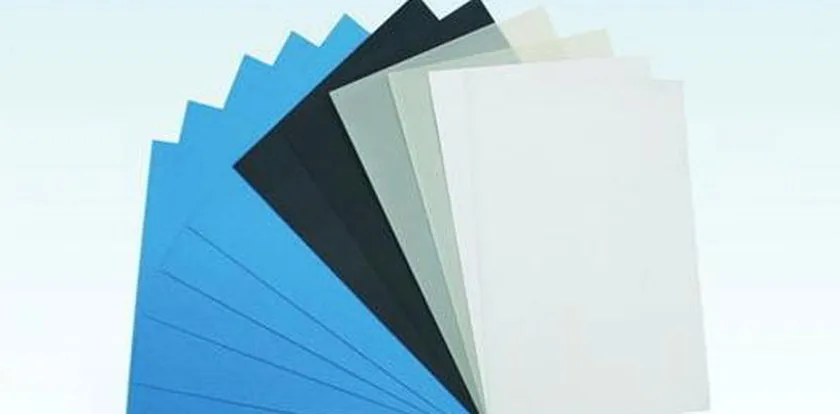
Bio-Based (PHA/PLA)
PHA and PLA are polymer families that may contain renewable feedstock. Bio-based content and compostability are separate claims to verify.
Learn moreEight material options, side by side
Use this qualitative guide to shortlist a construction. Verify grade data, finished samples and disposal evidence for the actual order.
| Material | Feel & look | Durability checks | Heat checks | Evidence to review | Price | Consider for |
|---|---|---|---|---|---|---|
| Standard PVC | Smooth laminated surface | Abrasion and repeated flexing | Grade and finished laminate | Composition and collection route | Project quotation | Printed hotel credentials |
| Degradable PVC | PVC-based laminate | Storage aging and handling | Exact formulation and laminate | Specific disposal claim and original report | Project quotation | Additive formulations requiring evidence review |
| PETG | Copolyester laminate | Flexing, print and bond wear | Grade-specific thermal data | Full construction for a PVC-free claim | Project quotation | Alternative resin specifications |
| Wood & Bamboo | Visible grain and natural variation | Moisture, edge wear and coating | Adhesive and coating behavior | Source and order-specific FSC claim, if requested | Project quotation | Distinctive tactile cards |
| Coated Paper | Lightweight coated surface | Bending and wet handling | Coating and adhesive behavior | Composition and recycler acceptance | Project quotation | Events and shorter stays |
| ABS & Composite | Rigid molded or blended body | Impact, attachment and chemicals | Grade and complete assembly | Exact resin or blend declaration | Project quotation | Rigid fobs and staff credentials |
| Polycarbonate (PC) | Multilayer body; laser marking in suitable grades | Surface wear and layer bonding | Grade and assembly tests | Reports for any security or flame claim | Project quotation | Personalized membership and staff credentials |
| Bio-Based (PHA/PLA) | Varies by polymer and blend | Heat, moisture and aging | Specific PHA or PLA formulation | Bio-based content; complete-article disposal evidence | Project quotation | Programs with verified feedstock requirements |
Components and specialty materials
Films, coatings and inlays influence printing, bonding, wear and reading. Evaluate the complete card and any security feature for the intended use.
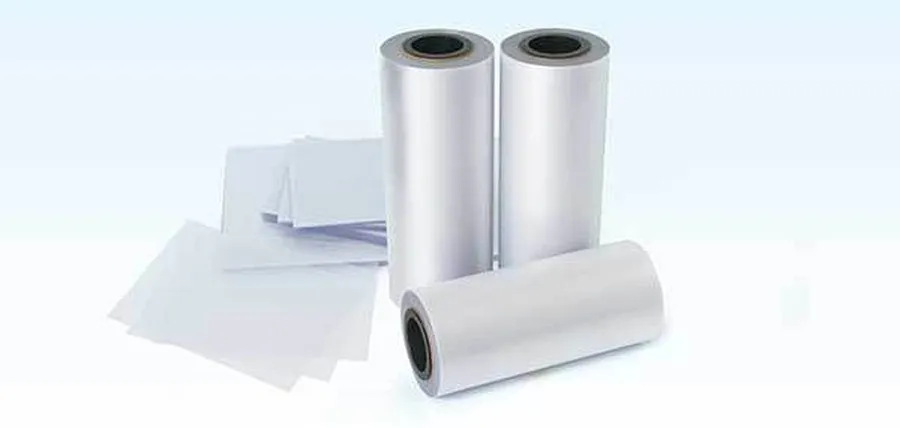
Overlay Films
Overlay films protect printed card surfaces and influence gloss, texture and bonding. Choose the film with the card core and print process.
Learn more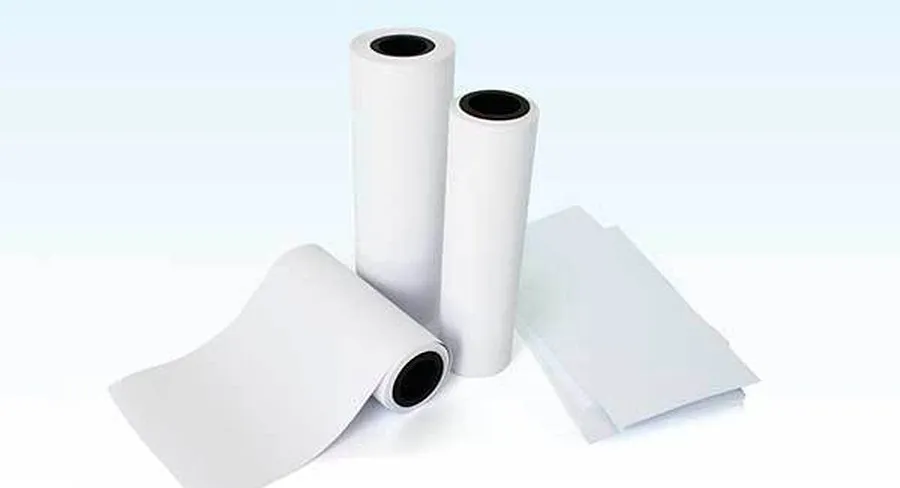
Digital-Print Sheets
Coated PVC or PETG sheets can support digital card printing. Match the coating, ink or ribbon, printer and finishing process.
Learn more
Inlay & Antenna
The RFID inlay combines a chip and antenna with supporting materials. Its design must match the frequency, protocol and lock system.
Learn more
Luminous PVC
Photoluminescent coatings can add a glow detail to PVC cards. Brightness and afterglow depend on pigment, illumination and the finished surface.
Learn moreHow to think about material choice
Match the property, not the trend
A 900-key convention hotel and a 30-key eco lodge have different math on cost per card and return rates.
Check the claims
Ask for supplier originals that identify the material, test specimen, method, conditions and result. Environmental labels require evidence covering the actual order; a standard number alone is not proof.
Test in your locks
Test a sample with your lock model, encoder and software configuration. Confirm the sample specification, availability, charges and shipping before arranging it.
Start your order
Planning your next key card order?
Share your lock and encoder details, quantity per design, artwork and destination. Confirm card options, MOQ, sample costs and delivery in your quote.