
Components · Overlay
Overlay Films for PVC & PETG Cards
The card’s windshield
Overlay films protect printed card surfaces and influence gloss, texture and bonding. Choose the film with the card core and print process.
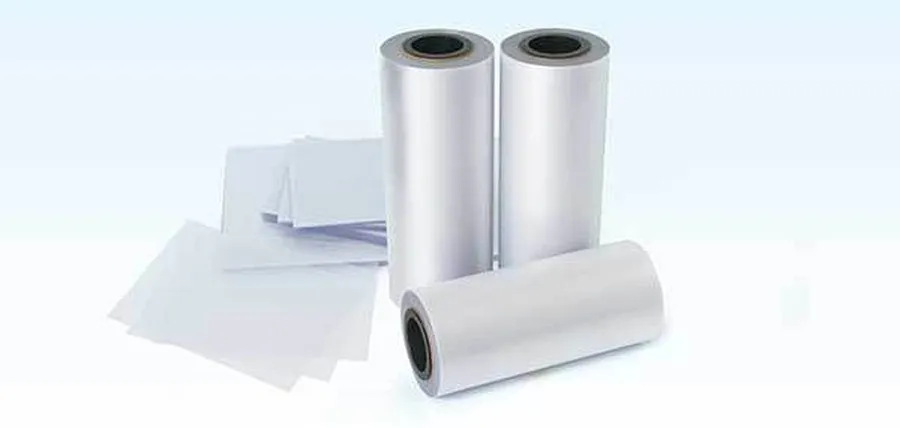
An overlay may use PVC, PETG or another carrier with a suitable adhesive system. Thickness, lamination conditions and bond strength belong in the agreed specification. Gloss, matte and holographic options require sample review; availability and any price difference are confirmed per project.
Highlights
Surface finish
Compare gloss, matte and tactile samples under normal handling.
Bonding performance
Check peel, abrasion and cleaning-agent exposure on the complete laminate.
Visual security
A holographic feature can aid inspection but does not prevent credential cloning.
Specification checkpoints
- Material option
- Overlay Films
- Illustrative layers
- Protective film → Protective film → Functional coating
- Dimensions
- Confirm film or sheet thickness, width, process tolerances and the dimensions of the finished assembly.
- Material documentation
- Film and adhesive specification, including lamination conditions
- Performance evidence
- Peel, abrasion and chemical-resistance reports with test conditions
How the layers fit together
This diagram explains a possible construction. Layer order, relative thickness and components are illustrative; the supplier specification and approved sample define the ordered build.
Illustrative stack; confirm actual layers and dimensions for the project.
- Protective film Surface finish and wear layer; verify carrier and bonding system.
- Protective film Surface finish and wear layer; verify carrier and bonding system.
- Functional coating Role and composition depend on the selected process.
Before approving production
- Record the lock, encoder, software and credential configuration; test the finished sample on the installed system.
- Approve artwork, surface finish, dimensions and the intended handling conditions using a representative sample.
- Confirm minimum quantity, sample and production charges, shipping terms and lead time in the project quotation.
Compare related options
Material questions
What does an overlay protect?
It places a wear layer over printed graphics and influences resistance to handling and cleaning. Actual protection depends on film, adhesion and lamination; agree abrasion and cleaning tests for the finished card.
Does a holographic overlay prevent cloning?
It adds a visual inspection feature with an optical effect that ordinary printing does not reproduce directly. It does not prevent copying electronic credentials, so chip and system security remain separate requirements.
Are matte and soft-touch finishes the same price?
Availability and cost vary with film, quantity and production process. Confirm the desired finish in the quotation and approve a physical sample; there is no blanket no-charge finish policy.
How is the lamination temperature chosen?
Use the film, adhesive, core and ink suppliers’ process guidance and validate the resulting bond. A single softening temperature does not define the working window for every laminate.
Start your order
Planning your next key card order?
Share your lock and encoder details, quantity per design, artwork and destination. Confirm card options, MOQ, sample costs and delivery in your quote.