
Materials · PETG
PETG Hotel Key Cards
The engineer’s card material
PETG is a copolyester option for card bodies. Compare its grade-specific print, flex and thermal behavior with the proposed PVC construction.
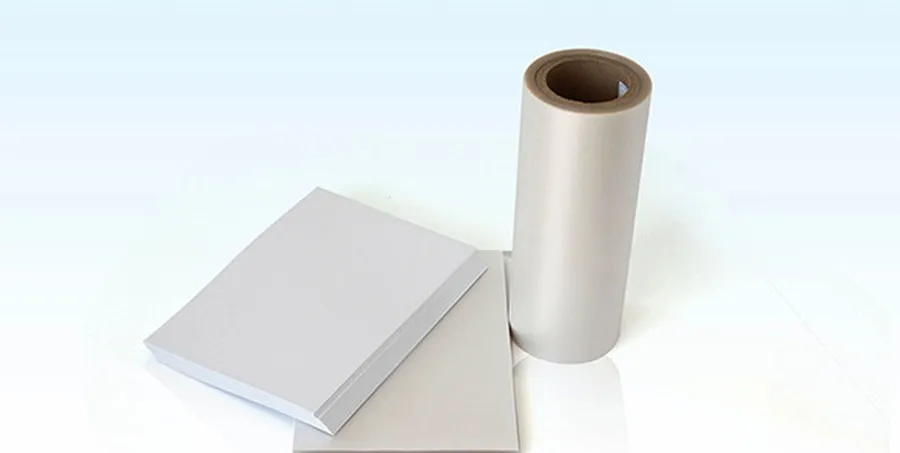
PETG polymer contains no chlorine in its backbone, but this does not certify every layer of a card or its environmental impact. Heat resistance varies by grade and processing. Food-contact suitability, where relevant, needs documentation for the intended contact conditions and complete article.
Highlights
Alternative resin
Specify the core and overlay composition if a PVC-free construction is required.
Grade selection
Use the selected grade data and finished samples to assess flex and heat behavior.
Finish validation
Check printing, bonding and surface wear with the intended production process.
Specification checkpoints
- Material option
- PETG
- Illustrative layers
- Protective film → Printed layer → RFID inlay → Printed layer → Protective film
- Dimensions
- Confirm footprint, finished thickness, tolerances and encoder clearance on the approved drawing and sample.
- Material documentation
- Grade and laminate technical data, with thermal test method and conditions
- Performance evidence
- Applicable chemical or food-contact documentation for the intended use, if required
How the layers fit together
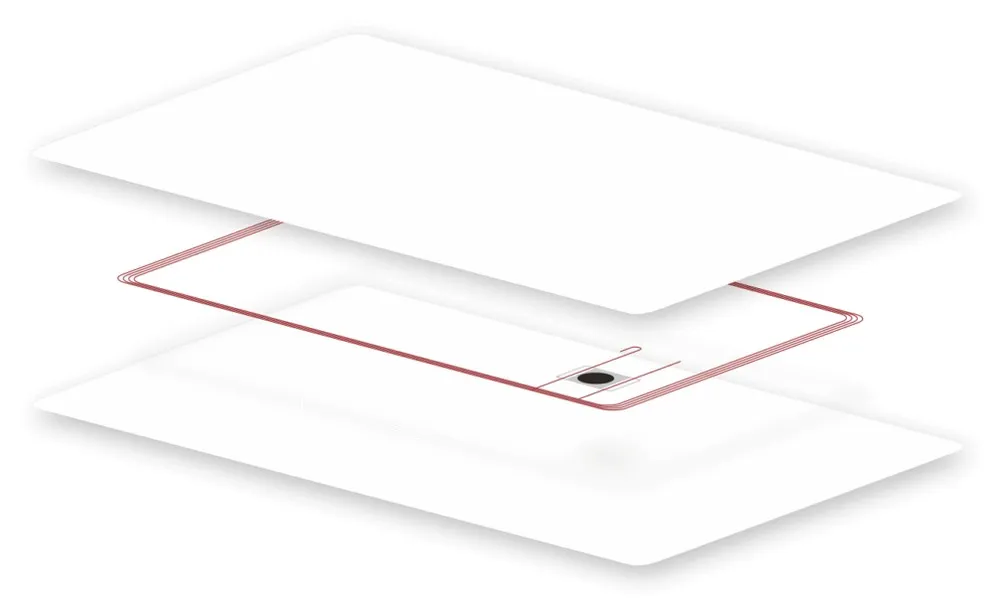
This diagram explains a possible construction. Layer order, relative thickness and components are illustrative; the supplier specification and approved sample define the ordered build.
Illustrative stack; confirm actual layers and dimensions for the project.
- Protective film Surface finish and wear layer; verify carrier and bonding system.
- Printed layer Graphics on the selected substrate; confirm ink and process.
- RFID inlay Chip and antenna; test the complete assembly with the access system.
- Printed layer Graphics on the selected substrate; confirm ink and process.
- Protective film Surface finish and wear layer; verify carrier and bonding system.
Before approving production
- Record the lock, encoder, software and credential configuration; test the finished sample on the installed system.
- Approve artwork, surface finish, dimensions and the intended handling conditions using a representative sample.
- Confirm minimum quantity, sample and production charges, shipping terms and lead time in the project quotation.
Compare related options
Material questions
Is PETG automatically more heat-resistant than PVC?
No. Thermal behavior varies with grade and laminate construction. Compare supplier data using the same test method, then test finished cards at the storage and use temperatures relevant to the property.
Does PETG mean the finished card is PVC-free?
PETG polymer has no PVC, but overlays, bonding films and other components may use different materials. A PVC-free claim needs a complete bill of materials and confirmation for the ordered construction.
Is a PETG key card suitable for food contact?
The resin family alone does not establish food-contact suitability. Any intended contact use requires documentation for the exact grade, inks, coatings and conditions of contact; an ordinary key-card specification is insufficient.
Can we reuse the same artwork and chip specification?
Often the artwork can be adapted, but ink adhesion, lamination and antenna tuning require validation. Provide the existing card and system details and approve a PETG sample on your equipment.
Start your order
Planning your next key card order?
Share your lock and encoder details, quantity per design, artwork and destination. Confirm card options, MOQ, sample costs and delivery in your quote.