
Wooden Hotel Key Cards: Pros, Cons, Cost and Alternatives
What a wooden RFID key card is, how it compares with PVC, paper and bamboo on durability, water, print and cost, plus 7 checks before you order.
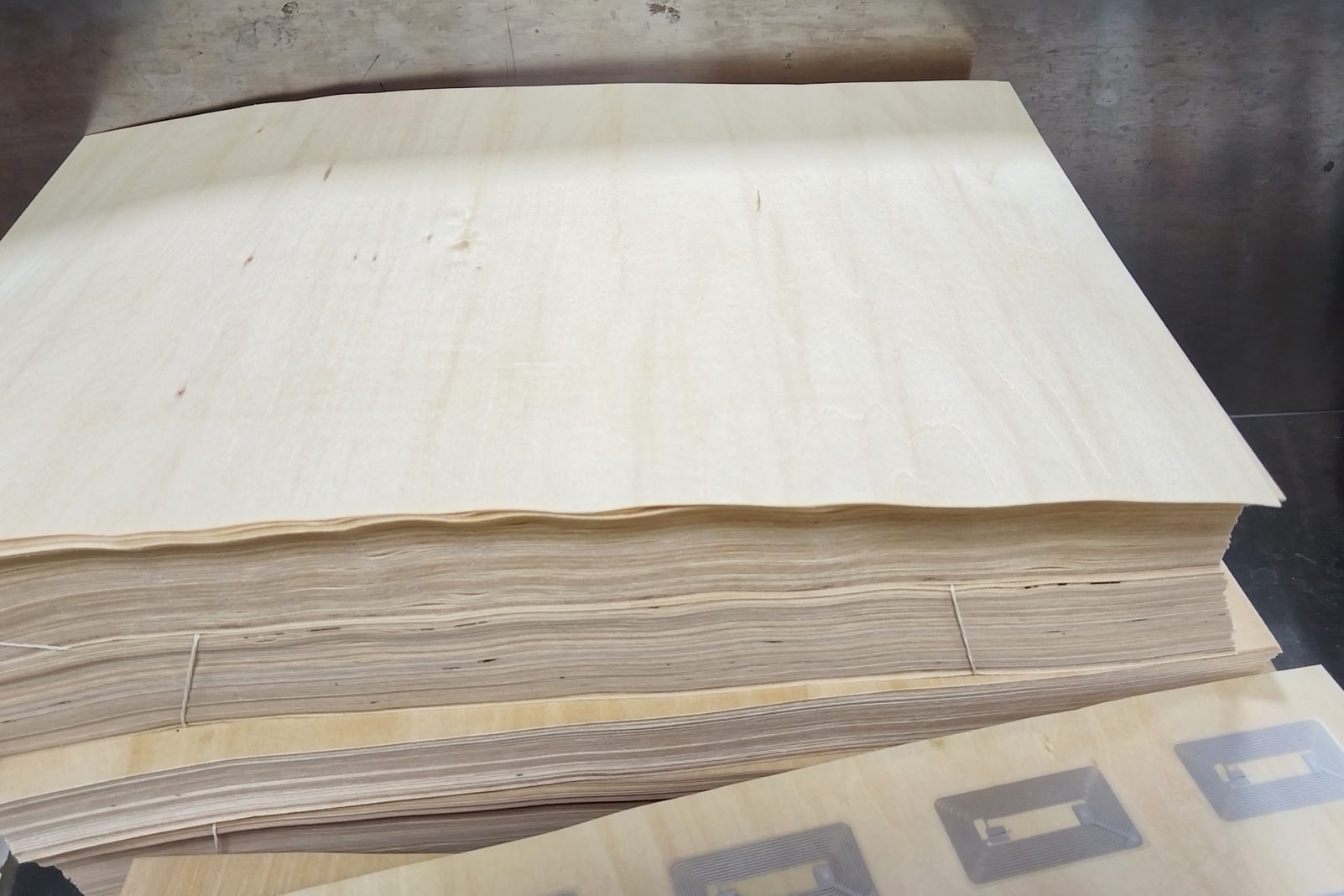
FSC certification comes up in almost every hotel RFP that specifies wooden key cards, and for good reason: procurement teams and sustainability officers want sourcing claims they can document, not just a green-sounding product description.
Here's what FSC certification actually means for a wooden key card program, what it costs, and how to verify a supplier's claim before you sign a purchase order. If you're still weighing wood against other eco-friendly key card materials, this is one piece of that larger decision.
The Forest Stewardship Council certifies forest management and chain of custody. It confirms that the wood in your cards was harvested from forests managed to specific environmental and social standards, and that the material was tracked through every processing step afterward. It is a sourcing certification, not a claim about the finished card's performance or durability.
Sourcing certification does not establish chip performance, lock compatibility or the available finishes. Those depend on the card specification. Check the actual construction and test it with the installed system independently of any sourcing claim.
FSC-certified wood usually carries a modest premium over non-certified wood of the same species, reflecting the cost of maintaining chain-of-custody documentation through the supply chain. In practice, species, finish, and order volume affect the final price more than certification status alone. Ask your supplier for a direct price comparison at your actual order quantity rather than assuming a fixed percentage markup.
A logo on a product page isn't proof. Before specifying FSC wood in a purchase order, request:
Any supplier making an FSC claim should be able to produce this documentation without hesitation. If they can't, treat the claim as unverified.
Certification carries the most weight in three situations: hotel brand programs with documented sourcing requirements, corporate ESG reporting that needs an auditable paper trail, and guest-facing marketing claims that need to survive scrutiny from an increasingly skeptical audience. If your wooden key cards are purely an internal design choice with no reporting requirement attached, non-certified wood may be a reasonable way to control cost. The honest answer depends on who is asking the question downstream.
| Question | FSC-certified wood | Non-certified wood |
|---|---|---|
| Sourcing documentation available | Yes, with certificate number | Typically no formal documentation |
| Price vs. same species uncertified | Modest premium | Baseline |
| Suitable for ESG reporting | Yes | Generally not sufficient |
| Card performance and lock compatibility | Identical | Identical |
Planning an order? Contact Cardotel with your lock and encoder details, required card or wristband specification, quantity per design and destination. Request a project quote and confirm sample availability, charges, preparation and shipping.

What a wooden RFID key card is, how it compares with PVC, paper and bamboo on durability, water, print and cost, plus 7 checks before you order.
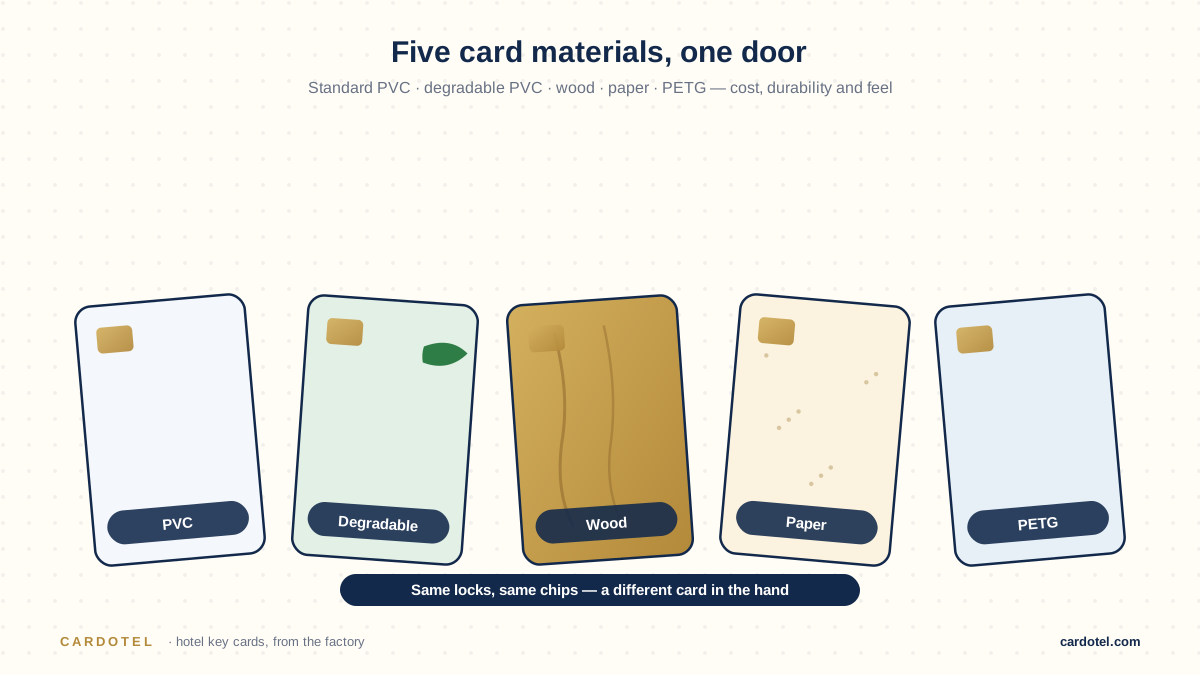
Compare 5 hotel key card materials (PVC, degradable PVC, wood, paper, PETG) on cost tier, lifespan, feel, lock fit and end of life, with tables.
12 supplier questions, a sample-test protocol, a video-tour checklist and importing basics (Incoterms, HS codes) for vetting a key card factory in China.
Start your order
Share your lock and encoder details, quantity per design, artwork and destination. Confirm card options, MOQ, sample costs and delivery in your quote.