
Materials · Bio-based
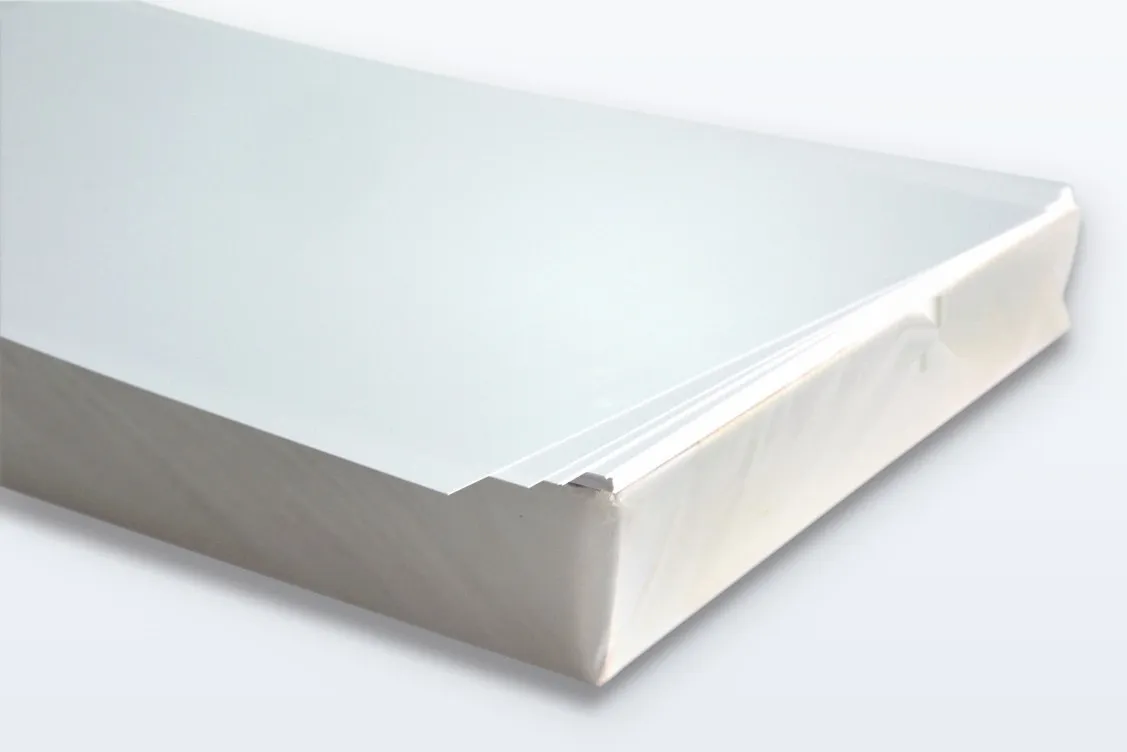
Bio-Based (PLA/PHA) Key Cards
PHA and PLA are polymer families that may contain renewable feedstock. Bio-based content and compostability are separate claims to verify.

Performance varies across PHA and PLA grades, blends and additives. Some grades require controlled composting conditions; a resin result does not establish that a finished RFID card can be composted. Verify coatings, adhesives, electronics, available collection facilities and the test conditions before choosing a disposal message.
Highlights
Feedstock evidence
Ask for the measured bio-based content of the specified formulation.
Heat and moisture
Check the grade and finished card under the expected storage and use conditions.
Disposal conditions
A compostability claim must identify the tested article and suitable treatment route.
Specification checkpoints
- Material option
- Bio-Based (PHA/PLA)
- Illustrative layers
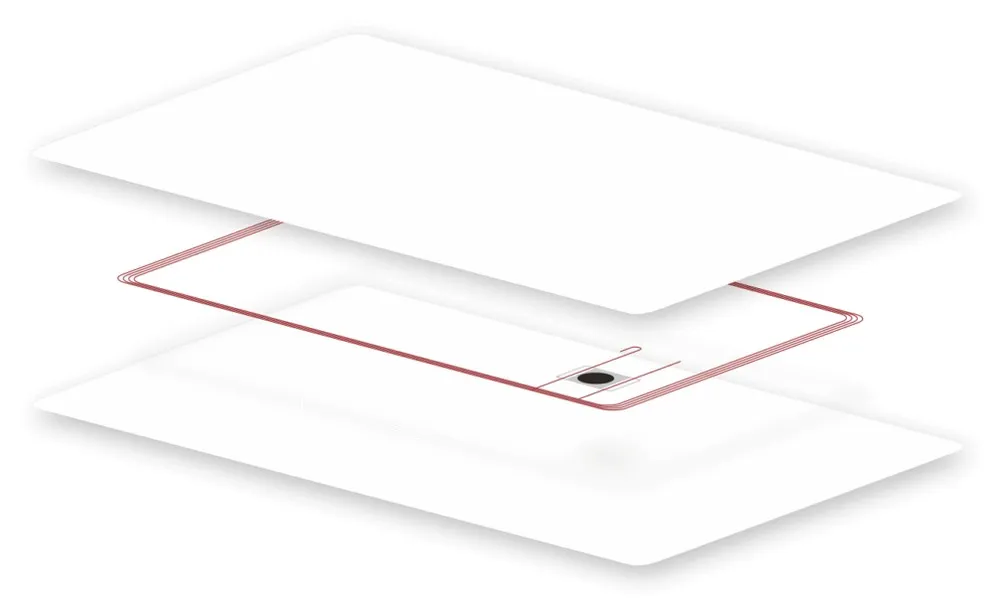
- Protective film → Printed layer → RFID inlay → Printed layer → Protective film
- Dimensions
- Confirm footprint, finished thickness, tolerances and encoder clearance on the approved drawing and sample.
- Material documentation
- Formulation and bio-based-content evidence for the selected grade
- Performance evidence
- Finished-article compostability evidence and local facility acceptance if claimed
How the layers fit together
This diagram explains a possible construction. Layer order, relative thickness and components are illustrative; the supplier specification and approved sample define the ordered build.
Illustrative stack; confirm actual layers and dimensions for the project.
- Protective film Surface finish and wear layer; verify carrier and bonding system.
- Printed layer Graphics on the selected substrate; confirm ink and process.
- RFID inlay Chip and antenna; test the complete assembly with the access system.
- Printed layer Graphics on the selected substrate; confirm ink and process.
- Protective film Surface finish and wear layer; verify carrier and bonding system.
Before approving production
- Record the lock, encoder, software and credential configuration; test the finished sample on the installed system.
- Approve artwork, surface finish, dimensions and the intended handling conditions using a representative sample.
- Confirm minimum quantity, sample and production charges, shipping terms and lead time in the project quotation.
Compare related options
Material questions
Are bio-based and biodegradable the same claim?
No. Bio-based describes feedstock origin or measured biological carbon content. Biodegradation describes conversion under particular conditions. Evidence for one does not prove the other.
Can a PHA or PLA RFID card be composted at home?
Do not assume that. Grade, blend, coatings and electronics matter, and industrial composting evidence does not establish home compostability. Verify a complete-article claim and acceptance by the intended facility.
How should we assess heat resistance?
Use the specific grade data and test the finished card in expected shipping, storage and use conditions. Different PHA and PLA formulations can behave differently; one generic softening number is insufficient.
What should we ask for before choosing this material?
Request formulation and bio-based-content evidence, the full construction, relevant performance tests and any original compostability documentation. Also confirm a practical collection route; no finished-card compostability report is published here.
Start your order
Planning your next key card order?
Share your lock and encoder details, quantity per design, artwork and destination. Confirm card options, MOQ, sample costs and delivery in your quote.