
Materials · Polycarbonate
Polycarbonate (PC) Cards
Polycarbonate supports multilayer card constructions and laser marking in suitable grades. Security and service life depend on the complete design.
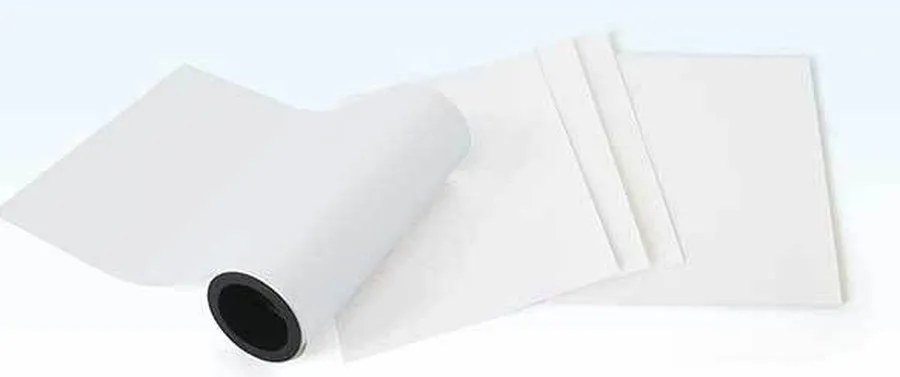
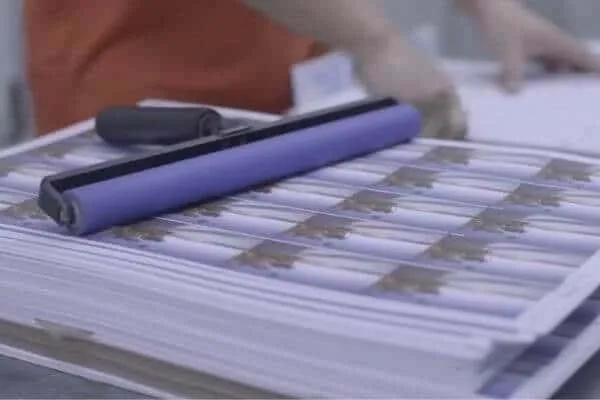
PC layers can be thermally bonded, and laser-responsive grades allow internal personalization. Those features need a matched material and process. Scratch resistance, flame behavior and tamper resistance should be assessed separately; use of PC alone does not establish an identity-document security level.
Highlights
Multilayer body
Review layer bonding and the finished card against the required durability checks.
Laser personalization
Confirm that the chosen grade and equipment produce readable, durable marks.
Security by design
Match physical features with chip, encoding and issuance controls.
Specification checkpoints
- Material option
- Polycarbonate (PC)
- Illustrative layers
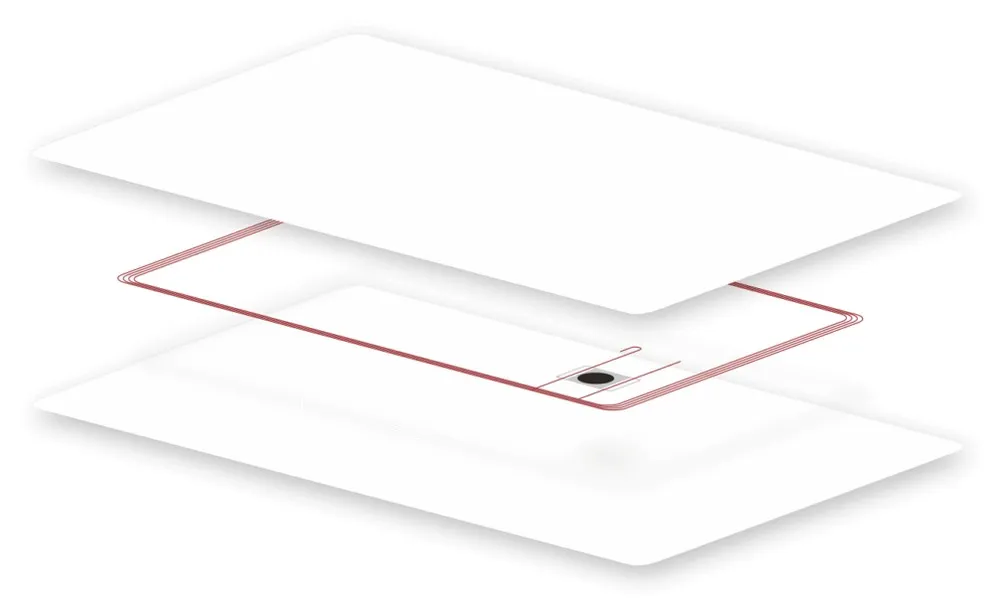
- Protective film → Printed layer → RFID inlay → Printed layer → Protective film
- Dimensions
- Confirm footprint, finished thickness, tolerances and encoder clearance on the approved drawing and sample.
- Material documentation
- Grade, layer construction and personalization specification
- Performance evidence
- Relevant durability, tamper or flame-test reports if those claims are required
How the layers fit together
This diagram explains a possible construction. Layer order, relative thickness and components are illustrative; the supplier specification and approved sample define the ordered build.
Illustrative stack; confirm actual layers and dimensions for the project.
- Protective film Surface finish and wear layer; verify carrier and bonding system.
- Printed layer Graphics on the selected substrate; confirm ink and process.
- RFID inlay Chip and antenna; test the complete assembly with the access system.
- Printed layer Graphics on the selected substrate; confirm ink and process.
- Protective film Surface finish and wear layer; verify carrier and bonding system.
Before approving production
- Record the lock, encoder, software and credential configuration; test the finished sample on the installed system.
- Approve artwork, surface finish, dimensions and the intended handling conditions using a representative sample.
- Confirm minimum quantity, sample and production charges, shipping terms and lead time in the project quotation.
Compare related options
Material questions
What does a fused PC construction offer?
Suitable PC layers can be bonded into a multilayer body that is harder to separate cleanly. The effect depends on grades, process and layout; it is a design feature to test, not a guarantee against tampering.
Can every PC card be laser engraved?
Laser personalization requires a responsive grade and compatible equipment. Confirm mark contrast, resolution and durability with the intended laser settings and full layer stack.
Does PC guarantee ten years of service?
No fixed life follows from the resin name. Printing, surfaces, chip assembly, handling and chemicals all matter. Define the required duty cycle and evaluate the proposed card against agreed aging and wear criteria.
Does using PC make a card secure?
Security also depends on chip technology, key management, encoding and issuance controls. Physical material features may support inspection but cannot replace the system security design.
Start your order
Planning your next key card order?
Share your lock and encoder details, quantity per design, artwork and destination. Confirm card options, MOQ, sample costs and delivery in your quote.