
Materials · Degradable PVC
PVC Hotel Key Cards with a Degradation Additive
PVC containing degradation additives needs careful evidence review. The additive name or an ASTM reference alone does not establish landfill biodegradation.
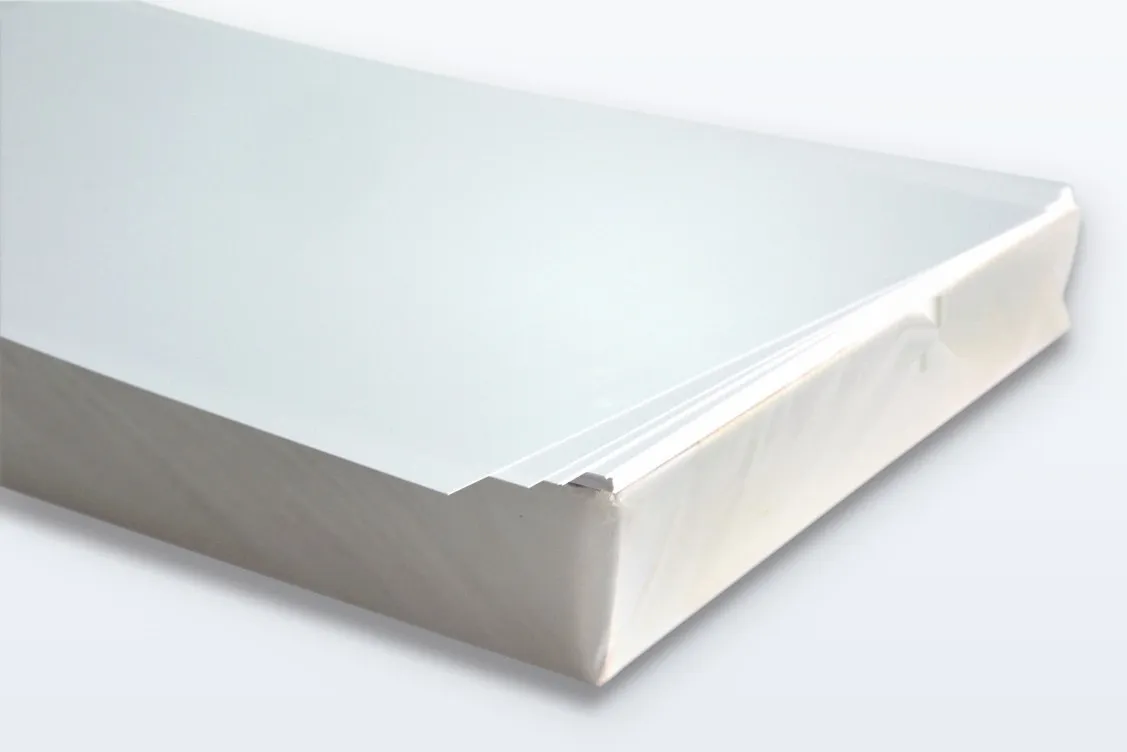
Additive-containing PVC can be evaluated as a card-body option, but its performance and disposal claims depend on the exact formulation and finished construction. ASTM D3826 concerns a tensile brittleness endpoint for PE/PP films; D5208 concerns UV exposure of photodegradable plastics. Neither establishes landfill biodegradation of this PVC card. No matching finished-card report is published here.
Highlights
Check the endpoint
Fragmentation, loss of strength and biological conversion are different outcomes.
Check the specimen
A resin or additive test does not automatically cover coatings, adhesives and the RFID inlay.
Test normal use
Assess printing, storage and lock operation with the proposed grade before ordering.

Specification checkpoints
- Material option
- Degradable PVC
- Illustrative layers
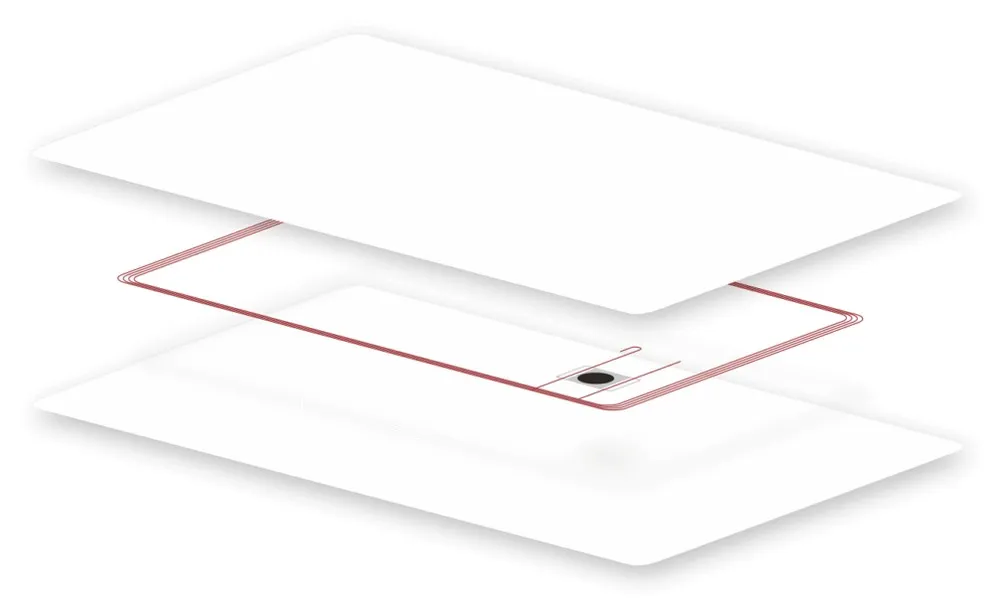
- Protective film → Printed layer → RFID inlay → Printed layer → Protective film
- Dimensions
- Confirm footprint, finished thickness, tolerances and encoder clearance on the approved drawing and sample.
- Material documentation
- Original test report identifying formulation, specimen, conditions, duration and measured outcome
- Performance evidence
- Evidence supporting the exact disposal claim; no landfill or compostability claim without it
Test-method scope — not product test reports
How the layers fit together
This diagram explains a possible construction. Layer order, relative thickness and components are illustrative; the supplier specification and approved sample define the ordered build.
Illustrative stack; confirm actual layers and dimensions for the project.
- Protective film Surface finish and wear layer; verify carrier and bonding system.
- Printed layer Graphics on the selected substrate; confirm ink and process.
- RFID inlay Chip and antenna; test the complete assembly with the access system.
- Printed layer Graphics on the selected substrate; confirm ink and process.
- Protective film Surface finish and wear layer; verify carrier and bonding system.
Before approving production
- Record the lock, encoder, software and credential configuration; test the finished sample on the installed system.
- Approve artwork, surface finish, dimensions and the intended handling conditions using a representative sample.
- Confirm minimum quantity, sample and production charges, shipping terms and lead time in the project quotation.
Compare related options
Material questions
Does additive-containing PVC perform like ordinary PVC?
It may be processed into a similar card, but appearance, stiffness, printing and read performance must be checked for the exact formulation and laminate. Approve representative samples rather than assuming equivalence.
Do ASTM D3826 and D5208 prove landfill biodegradation?
No. D3826 assesses a tensile brittleness endpoint in PE/PP films and D5208 specifies UV exposure of photodegradable plastics. Neither establishes landfill biodegradation of a PVC key card, and no matching finished-card report is published here.
What evidence should support a disposal claim?
Obtain the original report identifying the formulation, test specimen, laboratory, method, conditions, duration and measured outcome. Check whether it covers only an additive or the complete card and whether the intended disposal route matches the test.
Will the card degrade during storage?
Storage stability depends on the formulation and exposure to heat, light and moisture. Ask for shelf-life and aging data for the proposed construction and agree storage instructions; do not assume an additive activates only after disposal.
Start your order
Planning your next key card order?
Share your lock and encoder details, quantity per design, artwork and destination. Confirm card options, MOQ, sample costs and delivery in your quote.