
How to Vet a Hotel Key Card Factory in China
12 supplier questions, a sample-test protocol, a video-tour checklist and importing basics (Incoterms, HS codes) for vetting a key card factory in China.

There is no universal certificate stamped onto a hotel key card, and "high quality" means something different at every factory you ask. The way to protect yourself is simpler than chasing a standard that does not exist: inspect for the same handful of failure points every reputable vendor should already be checking.
This checklist covers what to verify before, during, and after production, whether you are ordering hotel key cards in PVC or another construction.
Card stock quality varies more than most buyers expect. A light-blocking core and consistent layer grade are the foundation of a card that performs the same in card slot number one and card slot number one thousand.
Length, width, and thickness tolerances matter more than they seem to. A perfectly printed card with the wrong thickness will not fit existing holders, dispensers, or encoding equipment, which makes it useless regardless of how it looks.
Die-cutting that runs on a poorly maintained machine leaves rough, uncomfortable edges. A smooth edge with no burrs is a basic, non-negotiable requirement, not a premium feature.
Look for scratches, fiber inclusions, or dirty spots on the surface. On RFID cards, also check for visible chip blemishes under the lamination, which show up more easily on dark-colored cards and usually point to pressure or timing issues during lamination.
Accurate printing has two parts: layout and color. Layout should match the approved artwork exactly, with nothing dropped in the file conversion process. Color is trickier — even with a PMS code supplied, ink reacts differently on different materials and finishes, so request a physical proof rather than approving colors from a screen.
If the design includes spot UV, foil stamping, or similar effects, check that the bleed, cut line, and any decorative elements line up exactly where they should. Misaligned foil or UV coating is one of the more common defects buyers miss on a quick visual check.
Agree which electrical and encoding checks cover every card and which use a defined batch inspection plan. Separately, have an authorized operator test the proposed samples in your property’s encoder and intended locks, including shared access, reissue and expiry where applicable. A factory read test alone is not an on-site compatibility result.
Confirm the credential preparation and issuing workflow with your system provider. Verify any numbering and application data your installation requires through authorized procedures; do not send security keys or live guest credentials with a purchasing inquiry.
A card that passes every inspection can still arrive damaged if the carton is not rated for the shipping method. Ask to see packaging photos from a previous order and confirm the carton is built for international freight, not just local delivery.
Approve a reference sample before the bulk run starts, record its specification and artwork revision, and check the delivered batch against it. Keep that approval together with the agreed inspection criteria and any unresolved issues.
| Issue | What it looks like | Why it matters |
|---|---|---|
| Chip blemish | A visible bump or mark over the embedded chip | Looks unfinished and can signal lamination problems |
| Off-register print | Text or logo shifted from the approved layout | Reads as careless and may clip important content |
| Rough edge | Burrs or sharp corners from die-cutting | Uncomfortable for guests and a sign of poor equipment maintenance |
| Wrong dimension | Card does not fit holders or dispensers | Renders an otherwise perfect card unusable |
| Weak carton | Crushed corners or bent cards on arrival | Damages a fully passed batch during transit |
Print or save the blank specification and sample acceptance checklist to record the proposed card, test setup, results and approval. This is a purchasing worksheet, not a laboratory report, supplier inspection result or compatibility certificate.
To arrange that acceptance step, request samples for an on-site key card test. Include the lock and encoder models, current card specification if known, and destination. Agree sample quantity, charges and shipping before scheduling the test.
12 supplier questions, a sample-test protocol, a video-tour checklist and importing basics (Incoterms, HS codes) for vetting a key card factory in China.

Practical design tips for hotel key cards that reinforce your brand, from layout and typography to material choice and finishing touches guests notice.
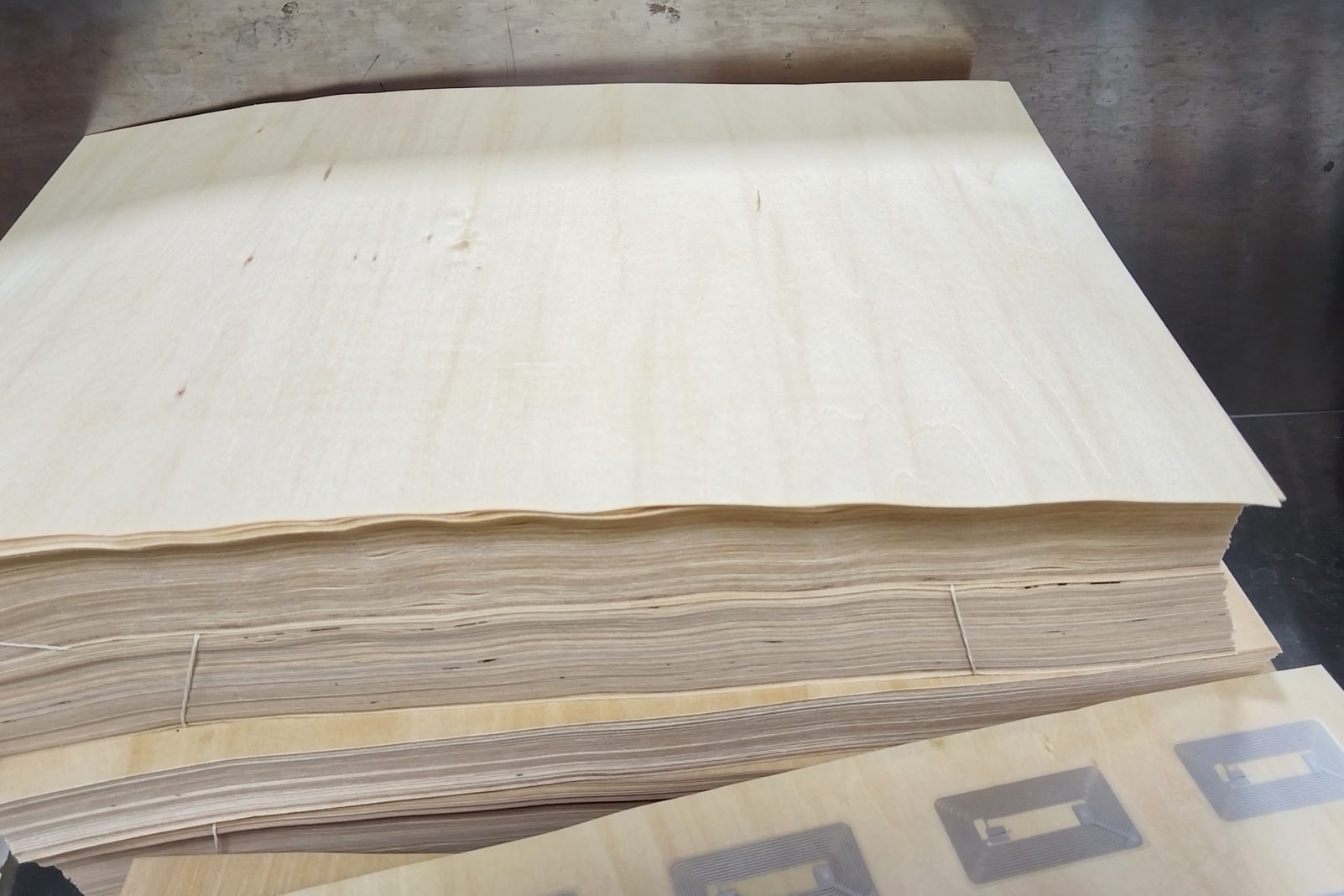
FSC-certified wooden key cards give hotels a documented sourcing claim, not just a green label. Here is what certification verifies, costs, and proves.