
Materialien · PETG
Hotel-Schlüsselkarten aus PETG
Das Kartenmaterial für Techniker
PETG ist ein Copolyester für Kartenkörper. Vergleichen Sie Druck, Biegung und Wärmeverhalten der jeweiligen Sorte.
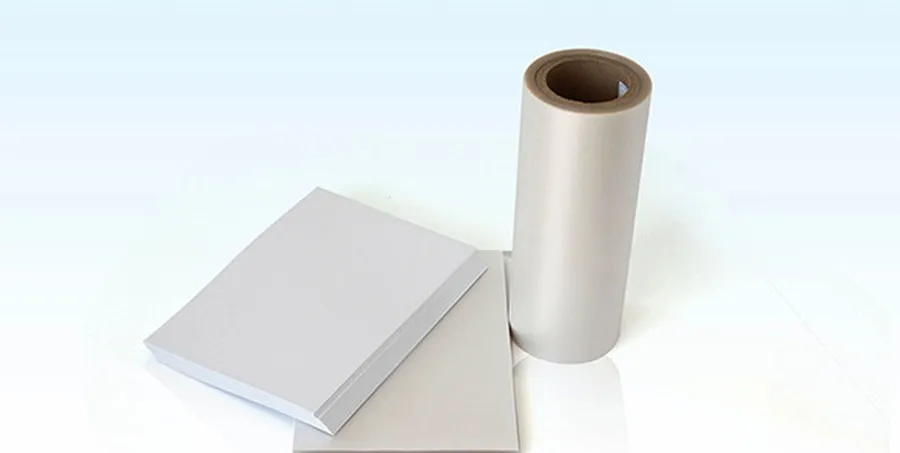
Das PETG-Polymer enthält kein Chlor in seiner Hauptkette. Das zertifiziert weder weitere Kartenschichten noch Umwelteigenschaften. Wärmebeständigkeit variiert; Lebensmittelkontakt benötigt Nachweise für den vollständigen Artikel und die Kontaktbedingungen.
Highlights
Andere Harzbasis
Prüfen Sie alle Schichten, wenn ein PVC-freier Aufbau benötigt wird.
Sortenauswahl
Vergleichen Sie Datenblätter und fertige Muster.
Oberfläche
Validieren Sie Druck, Haftung und Abrieb.
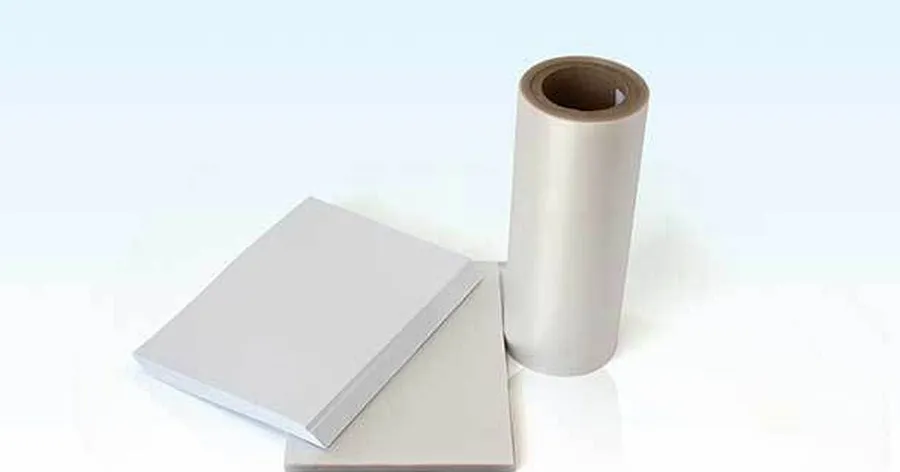
Prüfpunkte für die Spezifikation
- Material
- PETG
- Beispielhafter Schichtaufbau
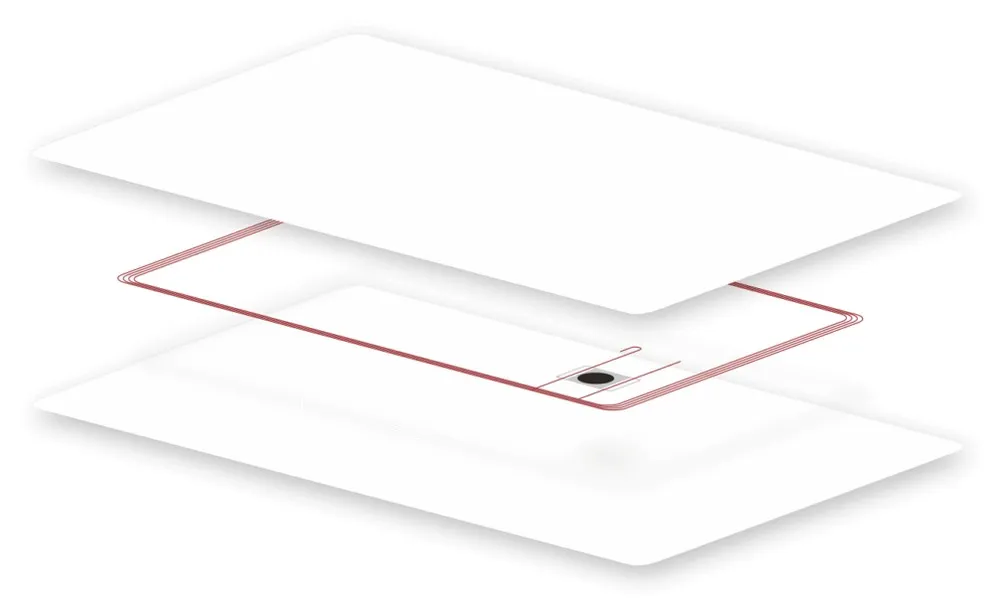
- Schutzfolie → Druckschicht → RFID-Inlay → Druckschicht → Schutzfolie
- Abmessungen
- Bestätigen Sie Format, Enddicke, Toleranzen und Kodiererpassung anhand der freigegebenen Zeichnung und des Musters.
- Materialunterlagen
- Datenblatt von Sorte und Laminat mit thermischem Prüfverfahren
- Leistungsnachweise
- Anwendbare Stoff- oder Lebensmittelkontaktunterlagen für den vorgesehenen Zweck
So wirken die Schichten zusammen
Die Grafik zeigt einen möglichen Aufbau. Reihenfolge, relative Dicke und Komponenten sind beispielhaft; Lieferantenspezifikation und freigegebenes Muster bestimmen die bestellte Ausführung.
Beispielhafter Aufbau; tatsächliche Schichten und Maße projektbezogen bestätigen.
- Schutzfolie Oberfläche und Verschleißschicht; Träger und Klebesystem prüfen.
- Druckschicht Grafik auf dem gewählten Substrat; Farbe und Verfahren bestätigen.
- RFID-Inlay Chip und Antenne; den vollständigen Aufbau am Zugangssystem prüfen.
- Druckschicht Grafik auf dem gewählten Substrat; Farbe und Verfahren bestätigen.
- Schutzfolie Oberfläche und Verschleißschicht; Träger und Klebesystem prüfen.
Vor der Produktionsfreigabe
- Erfassen Sie Schloss, Kodierer, Software und Ausweiskonfiguration; prüfen Sie das Fertigmuster am installierten System.
- Geben Sie Grafik, Oberfläche, Maße und Handhabungsbedingungen anhand eines repräsentativen Musters frei.
- Bestätigen Sie Mindestmenge, Muster- und Produktionskosten, Versandbedingungen und Lieferzeit im Projektangebot.
Verwandte Optionen vergleichen
Fragen zum Material
Ist PETG immer wärmebeständiger als PVC?
Nein. Das Verhalten variiert mit Sorte und Laminat. Vergleichen Sie Daten mit demselben Prüfverfahren und prüfen Sie fertige Karten bei den vorgesehenen Lager- und Einsatztemperaturen.
Ist eine PETG-Karte automatisch PVC-frei?
Das PETG-Polymer ist kein PVC, doch Schutz- und Klebefolien können andere Materialien enthalten. Die Aussage erfordert eine vollständige Stückliste und Bestätigung für die Bestellung.
Ist die Karte für Lebensmittelkontakt geeignet?
Die Harzfamilie allein belegt das nicht. Dafür sind Unterlagen zu Sorte, Druckfarben und Beschichtungen unter den Kontaktbedingungen nötig; eine Schlüsselkartenspezifikation reicht nicht aus.
Können wir Grafik und Chip übernehmen?
Grafiken lassen sich oft anpassen, aber Haftung, Laminierung und Antennenabstimmung müssen validiert werden. Stellen Sie aktuelle Karte und Systemdaten bereit und geben Sie ein PETG-Muster frei.
Bestellung starten
Planen Sie Ihre nächste Schlüsselkartenbestellung?
Nennen Sie Schloss und Encoder, Menge je Motiv, Druckvorlage und Zielort. Stimmen Sie Optionen, Mindestmenge, Musterkosten und Lieferung im Angebot ab.