
Materiales · PETG
Tarjetas llave de PETG para hoteles
El material de tarjeta del ingeniero
El PETG es un copoliéster para cuerpos de tarjeta. Compare impresión, flexión y comportamiento térmico del grado elegido.
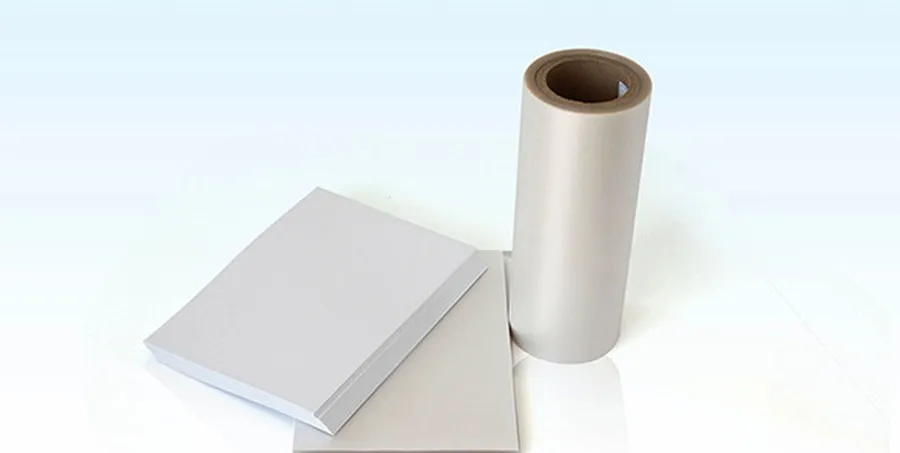
El polímero PETG no contiene cloro en su cadena, pero eso no certifica las demás capas ni el impacto ambiental. La resistencia al calor varía. Un uso alimentario requiere documentos para el artículo completo y las condiciones de contacto.
Puntos destacados
Resina alternativa
Revise todas las capas si necesita una estructura sin PVC.
Elección del grado
Compare fichas técnicas y muestras terminadas.
Acabado
Valide impresión, adhesión y desgaste.
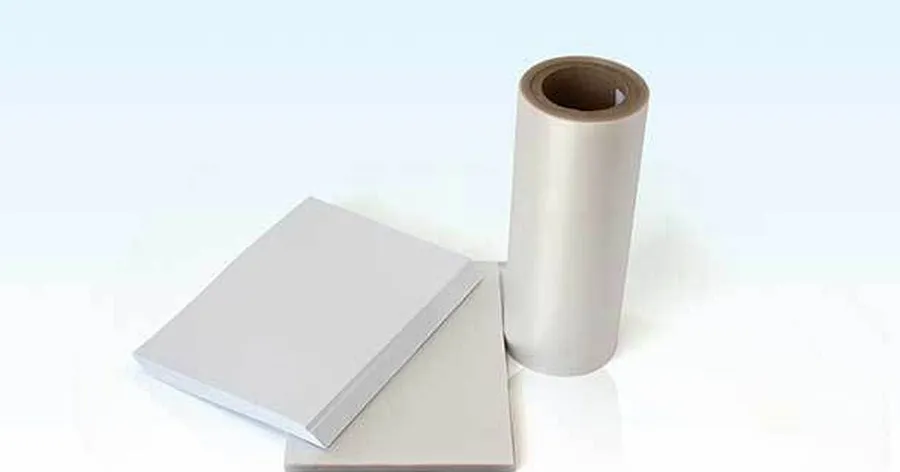
Puntos para definir la especificación
- Material
- PETG
- Capas ilustrativas
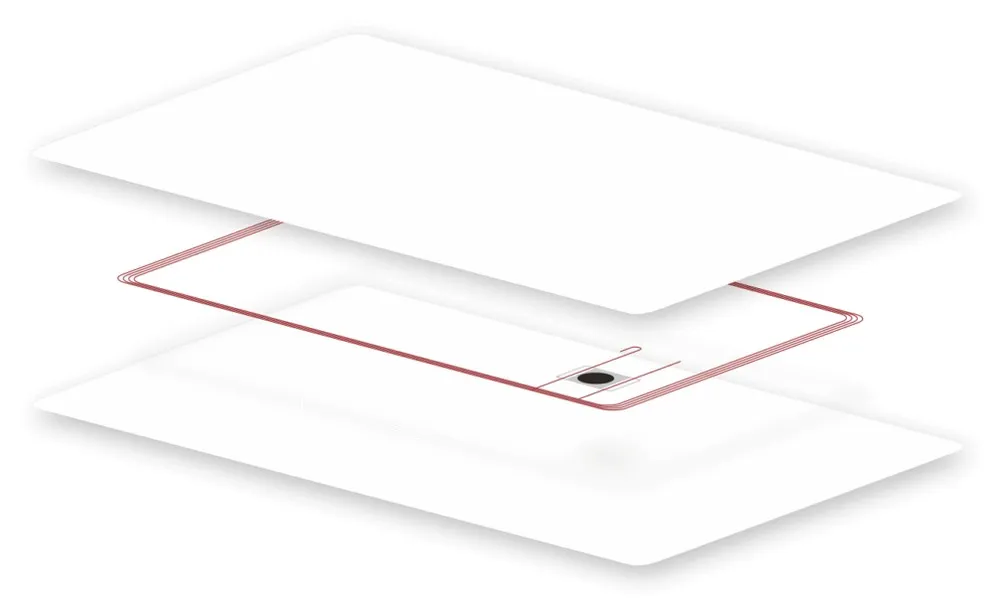
- Película protectora → Capa impresa → Inlay RFID → Capa impresa → Película protectora
- Dimensiones
- Confirme formato, espesor final, tolerancias y paso por el codificador en el plano y la muestra aprobados.
- Documentación del material
- Ficha del grado y laminado con método térmico
- Evidencia de desempeño
- Documentación química o de contacto alimentario aplicable al uso solicitado
Cómo se combinan las capas
El diagrama muestra una construcción posible. Orden, espesor relativo y componentes son ilustrativos; la especificación del proveedor y la muestra aprobada definen el pedido.
Esquema ilustrativo; confirme capas y dimensiones reales del proyecto.
- Película protectora Capa de acabado y desgaste; confirme soporte y adhesión.
- Capa impresa Gráficos sobre el sustrato elegido; confirme tinta y proceso.
- Inlay RFID Chip y antena; pruebe el conjunto con el sistema de acceso.
- Capa impresa Gráficos sobre el sustrato elegido; confirme tinta y proceso.
- Película protectora Capa de acabado y desgaste; confirme soporte y adhesión.
Antes de aprobar la producción
- Registre cerradura, codificador, software y configuración de credencial; pruebe la muestra final en el sistema instalado.
- Apruebe diseño, superficie, dimensiones y condiciones de manipulación con una muestra representativa.
- Confirme cantidad mínima, cargos de muestras y producción, envío y plazo en la oferta del proyecto.
Compare opciones relacionadas
Preguntas sobre el material
¿El PETG resiste siempre más calor que el PVC?
No. Varía por grado y laminado. Compare fichas con el mismo método de ensayo y pruebe tarjetas terminadas a las temperaturas de almacenamiento y uso previstas.
¿Una tarjeta PETG está libre de PVC?
El polímero PETG no es PVC, pero capas protectoras o adhesivas pueden incorporar otros materiales. La afirmación necesita composición completa y confirmación del pedido.
¿Es apta para contacto alimentario?
La familia de resina no lo demuestra. Ese uso necesita documentos del grado, tintas y recubrimientos para las condiciones de contacto; una especificación de tarjeta llave no basta.
¿Podemos mantener diseño y chip?
El diseño suele poder adaptarse, pero deben validarse adhesión, laminación y ajuste de antena. Aporte la tarjeta actual y datos del sistema y apruebe una muestra PETG.
Inicie su pedido
¿Está preparando su próximo pedido de tarjetas?
Envíe datos de cerradura y codificador, cantidad por diseño, arte final y destino. Confirme opciones, mínimo, costes de muestras y entrega en el presupuesto.