
Materiais · PETG
Cartões-chave de PETG para hotéis
O material de cartão do engenheiro
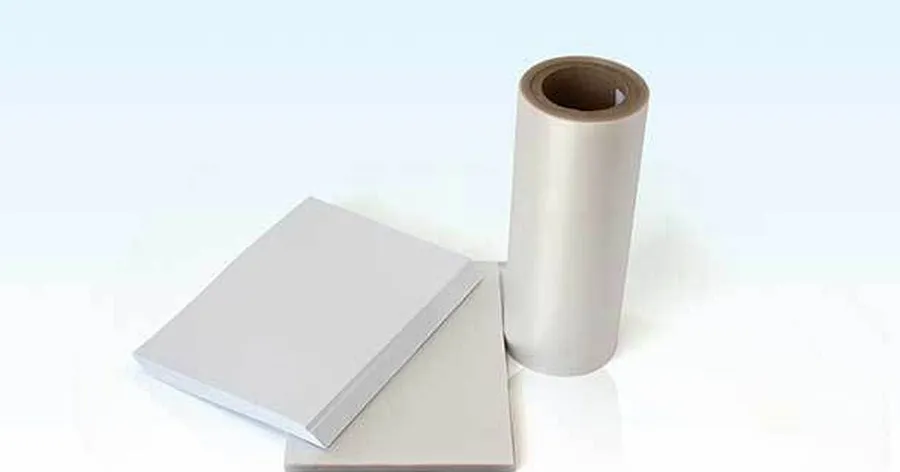
O PETG é um copoliéster para corpos de cartão. Compare impressão, flexão e comportamento térmico do grau escolhido.
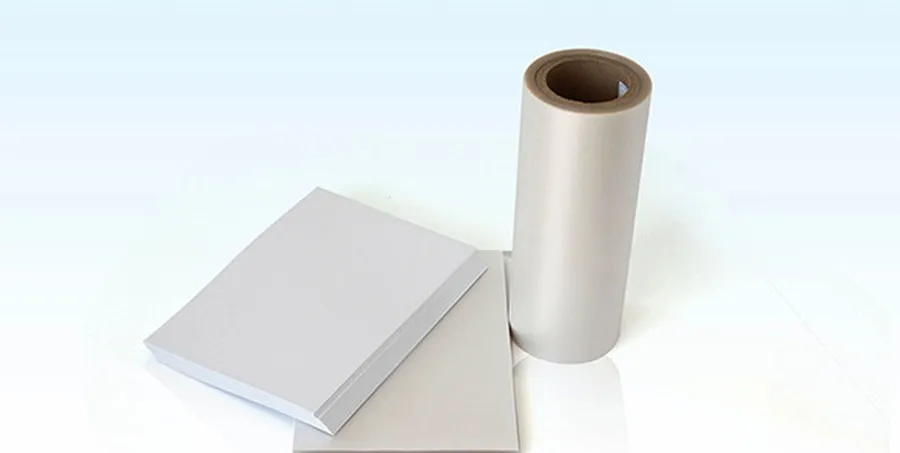
O polímero PETG não contém cloro na cadeia, mas isso não certifica as demais camadas nem o impacto ambiental. A resistência térmica varia. Contacto com alimentos exige documentos para o artigo completo e as condições de contacto.
Destaques
Resina alternativa
Verifique todas as camadas se precisar de uma estrutura sem PVC.
Seleção do grau
Compare fichas técnicas e amostras acabadas.
Acabamento
Valide impressão, adesão e desgaste.
Pontos para definir a especificação
- Material
- PETG
- Camadas ilustrativas
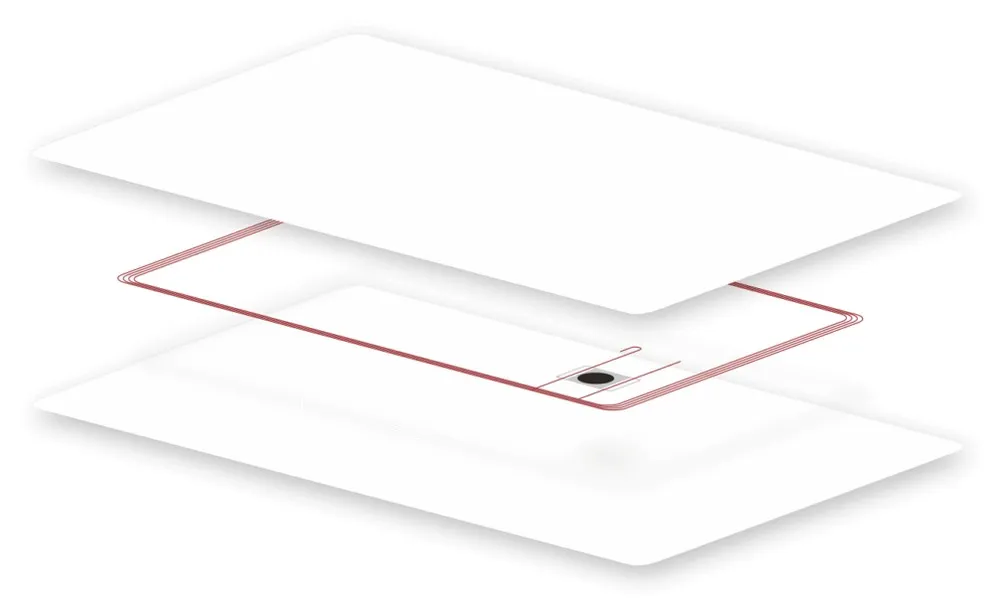
- Filme protetor → Camada impressa → Inlay RFID → Camada impressa → Filme protetor
- Dimensões
- Confirme formato, espessura final, tolerâncias e passagem pelo codificador no desenho e na amostra aprovados.
- Documentação do material
- Ficha do grau e laminado com método térmico
- Evidência de desempenho
- Documentação química ou de contacto com alimentos aplicável ao uso solicitado
Como as camadas se combinam
O diagrama mostra uma construção possível. Ordem, espessura relativa e componentes são ilustrativos; a especificação do fornecedor e a amostra aprovada definem o pedido.
Estrutura ilustrativa; confirme camadas e dimensões reais do projeto.
- Filme protetor Acabamento e camada de desgaste; confirme suporte e união.
- Camada impressa Arte no substrato escolhido; confirme tinta e processo.
- Inlay RFID Chip e antena; teste o conjunto com o sistema de acesso.
- Camada impressa Arte no substrato escolhido; confirme tinta e processo.
- Filme protetor Acabamento e camada de desgaste; confirme suporte e união.
Antes de aprovar a produção
- Registre fechadura, codificador, software e configuração da credencial; teste a amostra acabada no sistema instalado.
- Aprove arte, superfície, dimensões e condições de manuseio com uma amostra representativa.
- Confirme quantidade mínima, custos de amostras e produção, envio e prazo na proposta do projeto.
Perguntas sobre o material
PETG sempre resiste mais ao calor que PVC?
Não. O comportamento varia por grau e laminado. Compare fichas com o mesmo método de ensaio e teste cartões acabados nas temperaturas de armazenamento e uso previstas.
Um cartão PETG é necessariamente livre de PVC?
O polímero PETG não é PVC, mas camadas protetoras e filmes de união podem usar outros materiais. A alegação exige composição completa e confirmação para o pedido.
É adequado para contato com alimentos?
A família de resina não comprova isso. Esse uso exige documentos do grau, tintas e revestimentos para as condições de contato; uma especificação de cartão de acesso não basta.
Podemos manter arte e chip?
A arte frequentemente pode ser adaptada, mas adesão, laminação e sintonia da antena precisam de validação. Forneça cartão atual e dados do sistema e aprove uma amostra PETG.
Comece a sua encomenda
Está a preparar a próxima encomenda de cartões?
Envie dados da fechadura e do codificador, quantidade por desenho, arte final e destino. Confirme opções, mínimo, custos de amostras e entrega no orçamento.