
Matériaux · PETG
Cartes-clés d’hôtel en PETG
Le matériau de carte de l’ingénieur
Le PETG est un copolyester pour corps de carte. Comparez impression, flexion et comportement thermique du grade retenu.
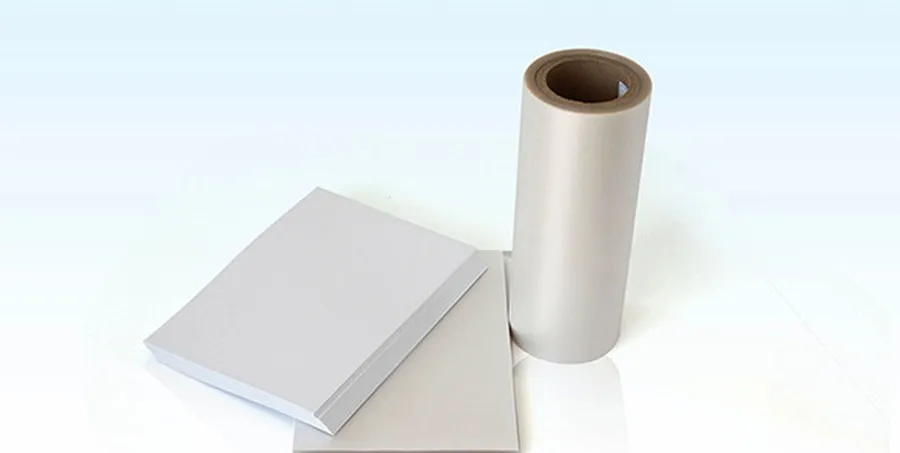
Le polymère PETG ne contient pas de chlore dans sa chaîne, mais cela ne certifie ni les autres couches ni son impact environnemental. La tenue thermique varie. Un contact alimentaire exige des justificatifs pour l’article complet et les conditions de contact.
Points forts
Autre résine
Vérifiez toutes les couches si une structure sans PVC est requise.
Choix du grade
Comparez fiches techniques et échantillons finis.
Finition
Validez impression, adhésion et usure.
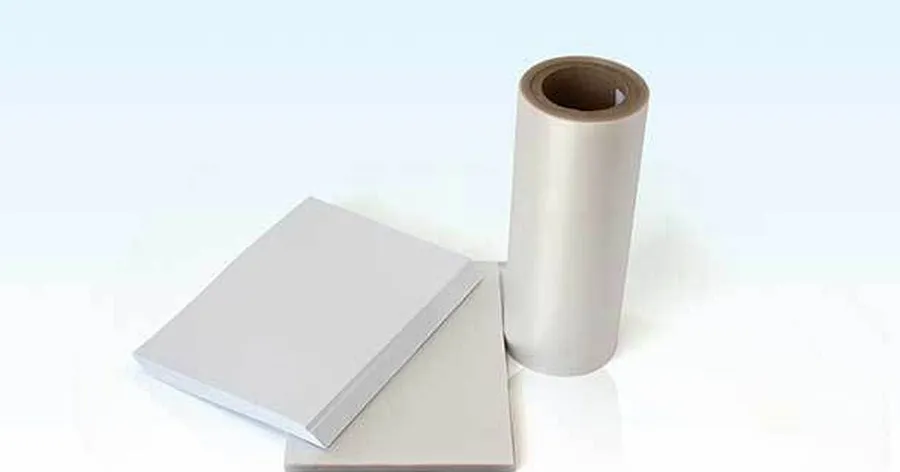
Points à préciser dans la spécification
- Matériau
- PETG
- Couches illustratives
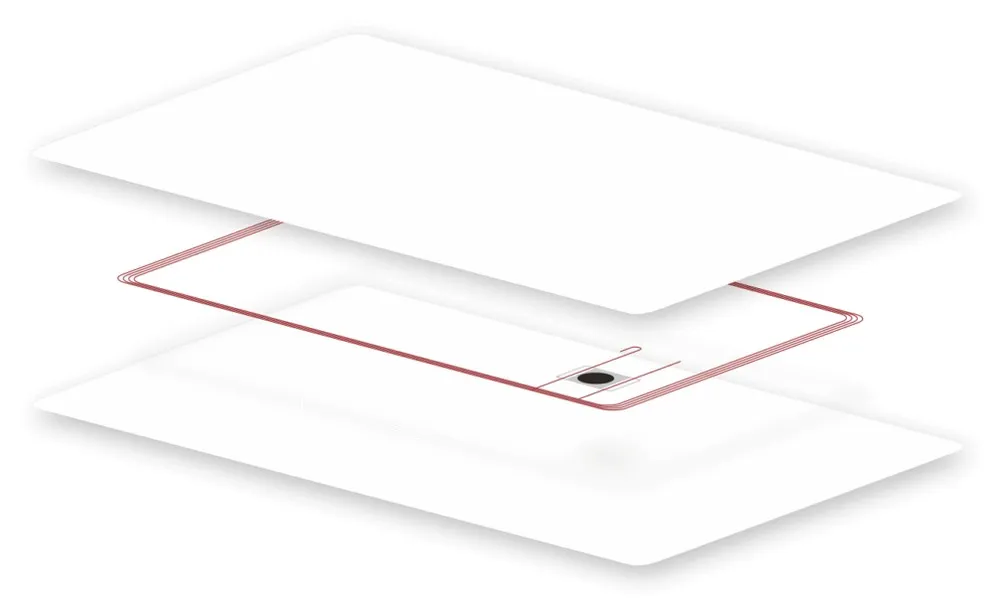
- Film de protection → Couche imprimée → Inlay RFID → Couche imprimée → Film de protection
- Dimensions
- Confirmez format, épaisseur finale, tolérances et passage dans l’encodeur sur le plan et l’échantillon approuvés.
- Documents du matériau
- Fiche du grade et du laminé avec méthode d’essai thermique
- Justificatifs de performance
- Documents chimiques ou de contact alimentaire applicables à l’usage demandé
Comment les couches s’assemblent
Ce schéma illustre une construction possible. Ordre, épaisseur relative et composants sont indicatifs ; la spécification fournisseur et l’échantillon approuvé définissent la commande.
Empilage illustratif ; confirmez les couches et dimensions réelles du projet.
- Film de protection Finition et couche d’usure ; vérifiez support et assemblage.
- Couche imprimée Graphismes sur le support retenu ; confirmez encre et procédé.
- Inlay RFID Puce et antenne ; testez l’ensemble avec le système d’accès.
- Couche imprimée Graphismes sur le support retenu ; confirmez encre et procédé.
- Film de protection Finition et couche d’usure ; vérifiez support et assemblage.
Avant de valider la production
- Relevez serrure, encodeur, logiciel et configuration du badge ; testez l’échantillon fini sur le système installé.
- Approuvez graphisme, surface, dimensions et conditions de manipulation sur un échantillon représentatif.
- Confirmez minimum, frais d’échantillon et de production, expédition et délai dans le devis du projet.
Comparer les options associées
Questions sur le matériau
Le PETG résiste-t-il toujours mieux à la chaleur que le PVC ?
Non. Le comportement varie selon le grade et le laminé. Comparez des fiches utilisant la même méthode, puis testez les cartes finies aux températures de stockage et d’usage prévues.
Une carte PETG est-elle nécessairement sans PVC ?
Le polymère PETG n’est pas du PVC, mais films de protection ou d’assemblage peuvent utiliser d’autres matériaux. L’allégation exige une composition complète et une confirmation pour la commande.
Est-elle adaptée au contact alimentaire ?
La famille de résine ne le démontre pas. Cet usage exige des documents sur grade, encres et revêtements selon les conditions de contact ; une spécification de carte d’accès ne suffit pas.
Peut-on conserver graphisme et puce ?
Le graphisme peut souvent être adapté, mais adhésion, laminage et accord d’antenne restent à valider. Fournissez carte actuelle et données système et approuvez un échantillon PETG.
Démarrez votre commande
Vous préparez votre prochaine commande de cartes-clés ?
Indiquez serrure et encodeur, quantité par visuel, fichier et destination. Confirmez options, minimum, frais d’échantillons et livraison dans le devis.