
Wooden Hotel Key Cards: Pros, Cons, Cost and Alternatives
What a wooden RFID key card is, how it compares with PVC, paper and bamboo on durability, water, print and cost, plus 7 checks before you order.
Guests rarely think twice about the card in their wallet, but hotel key cards are built from a surprisingly small set of base materials — and the choice between them affects everything from print quality to how the card holds up in a beach-town gift shop's worth of humidity.
Three materials cover the overwhelming majority of key cards in circulation today: PVC plastic, wood, and specialty coated paper. A fourth, degradable PVC, has become common enough to count as its own category. Here's how each one is actually constructed.
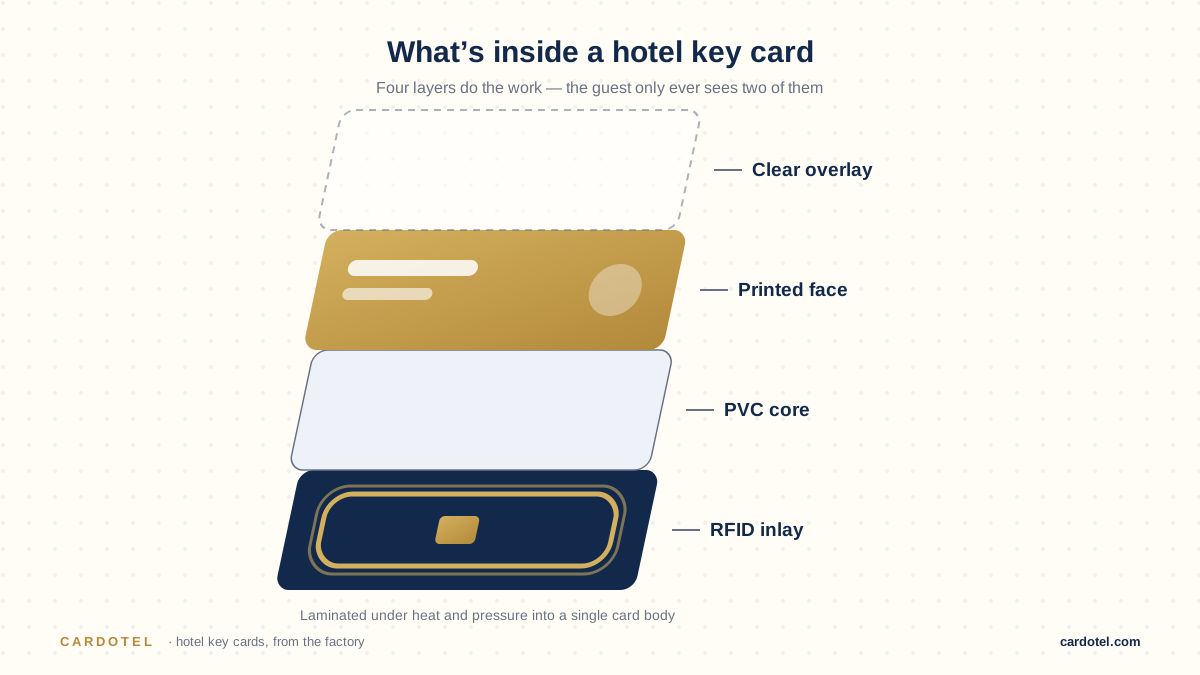
PVC remains the default material for hotel key cards because it's stable, prints cleanly, and costs the least to produce at volume. A standard card isn't one solid slab of plastic — it's a laminated sandwich, typically three layers pressed together under heat.
The face and back layers are usually a light-blocking PVC sheet, chosen so printed graphics and colors don't show through from one side to the other. The middle layer carries whatever makes the card functional: a magnetic stripe, or an RFID inlay — the small chip-and-antenna assembly that gives the card its proximity read. Some properties add a thin transparent overlay film, roughly 0.04–0.08 mm, laminated over the printed face to protect the artwork from scuffing; when that's added, the inner layer is thinned slightly so the finished card still comes out at the standard thickness.
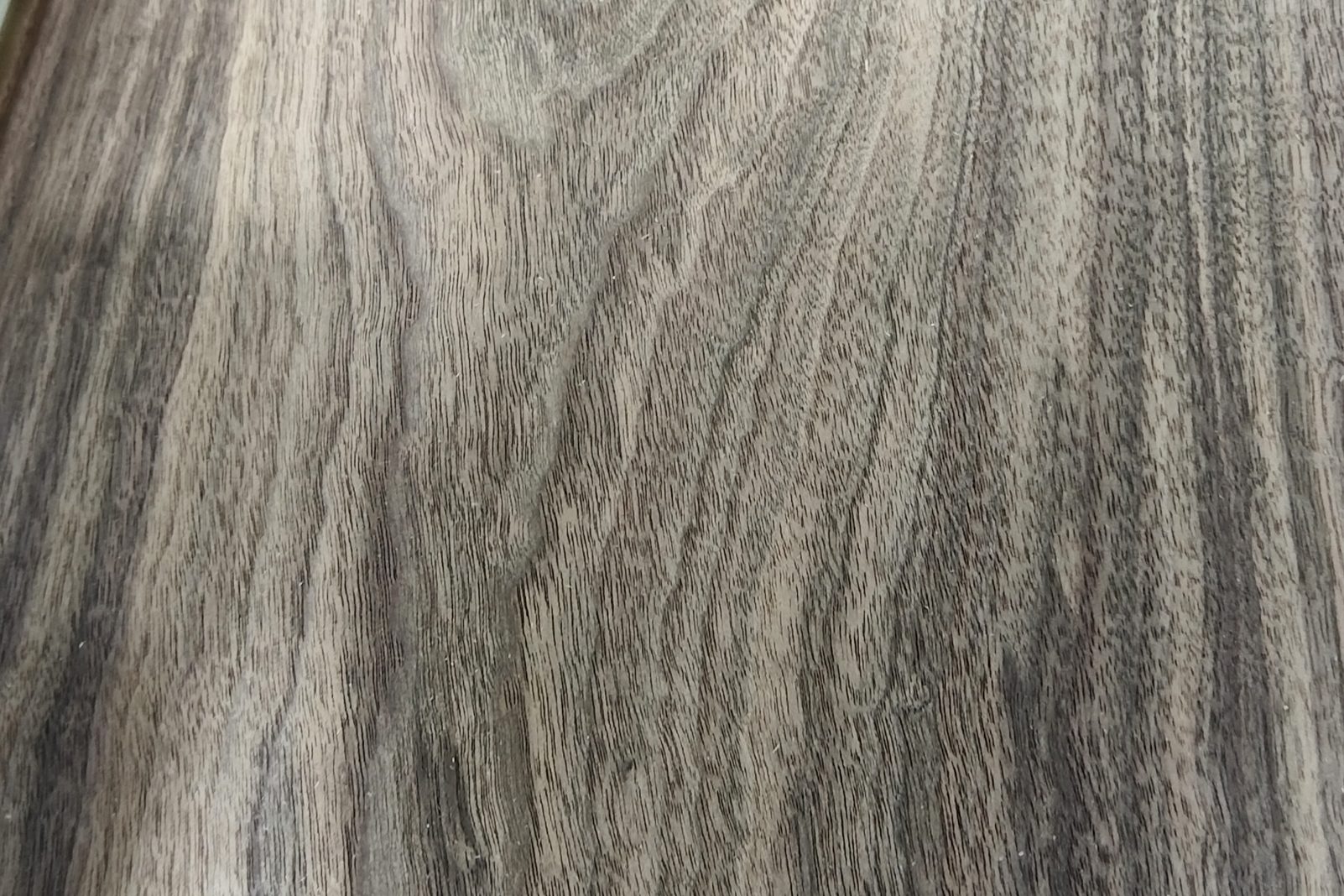
Wood cards follow a similar layered logic — face, core, back — but wood can't go through PVC's high-heat, high-pressure lamination process without warping. Instead, the layers are bonded with adhesive, which is why wood cards feel and flex slightly differently than plastic ones.
Bamboo, maple, walnut, and cherry are the species you'll see most often, each with its own grain and tone, which is part of the appeal for boutique and eco-positioned properties. The trade-off: wood is not waterproof. Extended exposure to moisture or high humidity can cause the card to warp or shrink, so wood stock needs drier handling and storage than plastic. See wooden card options for species and finish choices.
Paper-based cards vary in fiber, polymer coatings, laminates, adhesive and RFID inlay construction. Terms such as “wood-free” or “waterproof paper” do not by themselves establish a tree-free, plastic-free or recyclable finished card. Request the full composition and test moisture resistance under the intended conditions. Explore paper card specifications and request the proposed layer structure.
Alternative PVC cards may use a modified formulation, but the actual construction, processing and durability must be confirmed for the selected stock. For a degradability claim, review the actual report, tested specimen, method, exposure conditions and measured result for the proposed construction. ASTM D3826 and D5208 references alone do not establish landfill biodegradation or compostability of a finished key card. Do not infer an end-of-life outcome from a standard number or additive name. See alternative PVC considerations.
| Material | Lamination method | Water resistance | Best fit |
|---|---|---|---|
| Standard PVC | Heat and pressure | Excellent | Any property prioritizing cost and durability |
| Degradable PVC | Heat and pressure | Excellent | Properties comparing a specified alternative PVC formulation |
| Wood | Adhesive bonding | Poor — avoid prolonged moisture | Boutique and eco-branded properties |
| Waterproof paper (wood-free) | Adhesive bonding | Good, coated-stock dependent | Eco-focused properties wanting a lighter card |
Planning an order? Contact Cardotel with your lock and encoder details, required card or wristband specification, quantity per design and destination. Request a project quote and confirm sample availability, charges, preparation and shipping.
What a wooden RFID key card is, how it compares with PVC, paper and bamboo on durability, water, print and cost, plus 7 checks before you order.
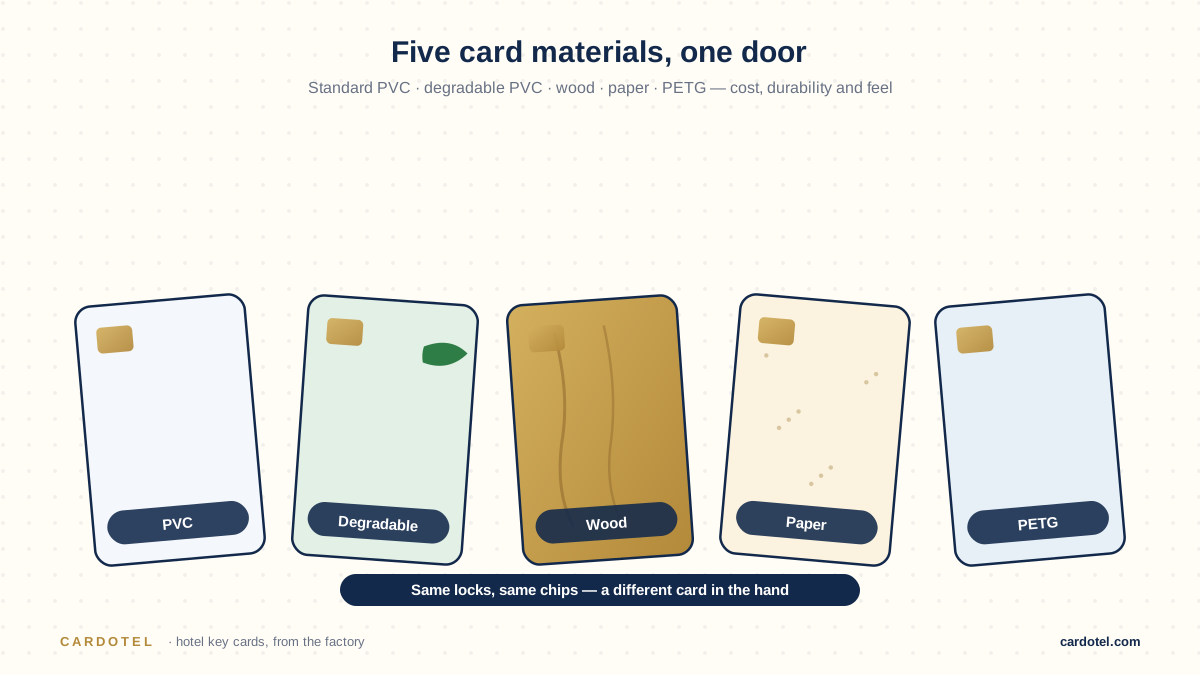
Compare 5 hotel key card materials (PVC, degradable PVC, wood, paper, PETG) on cost tier, lifespan, feel, lock fit and end of life, with tables.

Practical design tips for hotel key cards that reinforce your brand, from layout and typography to material choice and finishing touches guests notice.
Start your order
Share your lock and encoder details, quantity per design, artwork and destination. Confirm card options, MOQ, sample costs and delivery in your quote.