
Hotel Key Card Materials Compared: PVC, Wood, Paper, PETG
Compare 5 hotel key card materials (PVC, degradable PVC, wood, paper, PETG) on cost tier, lifespan, feel, lock fit and end of life, with tables.
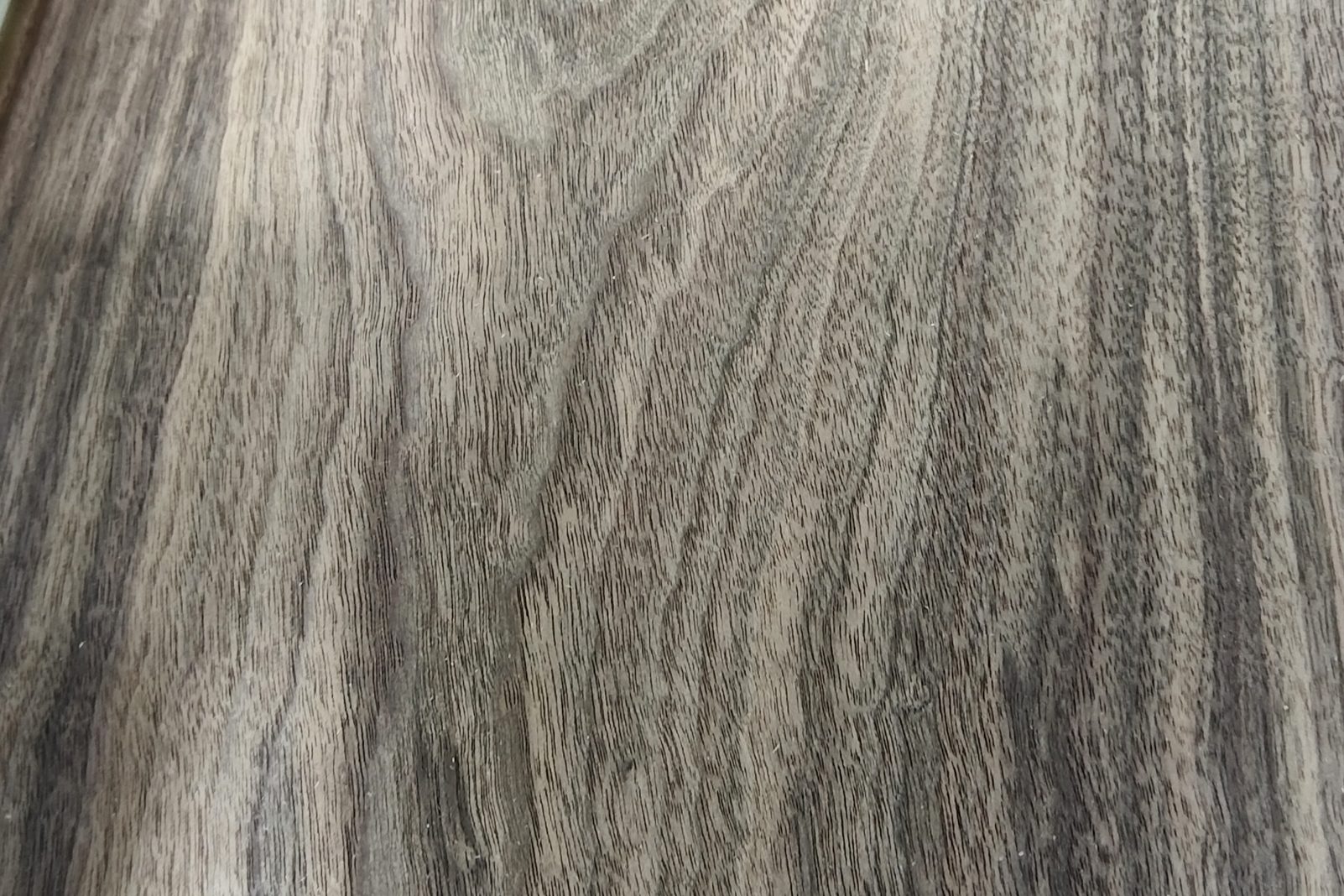
Wooden hotel key cards are RFID cards built from two thin wood veneers bonded around a standard chip-and-antenna inlay. They feel unlike any plastic card, tolerate normal pocket and re-encoding wear well, and take laser engraving or print. Their drawbacks are a higher relative cost than PVC or coated paper, limited tolerance for prolonged moisture, and grain variation that makes exact color matching hard. The chip is the same as in a PVC card, so lock compatibility depends on the chip, not the wood.
A wooden key card is a layered construction, not a solid block of timber: a wood veneer skin on each face, an RFID inlay (chip plus antenna) in the middle, and an adhesive or thin core layer holding the stack together. The finished card is cut to the familiar ID-1 credit-card outline and sealed with a clear coating. The wood and bamboo material page shows the layer stack next to PVC and paper.
Species commonly offered include birch, cherry, walnut, sapele and bamboo (technically a grass, but processed and sold alongside wood cards and similar in use). Each brings a different tone and grain, and no two cards look perfectly identical. Many boutique properties treat that variation as a feature: the card feels handmade rather than mass-produced, even though production runs are entirely standard, and the warmth and texture are what guests notice first at the front desk.
The RFID inlay in a wooden card can be identical to the one in a PVC or paper card. Hotel systems commonly use 13.56 MHz chips such as MIFARE Classic 1K (see the NXP MIFARE Classic EV1 datasheet) and Ultralight C, or 125 kHz chips for older installations. The chip guide explains which one your locks expect. Finished thickness and antenna performance can differ slightly from a laminated PVC card, so confirm with test samples in your own locks before approving a material change.
For properties already charging a rate that implies craftsmanship, a wooden card reinforces the story instead of undercutting it, and makes an expensive stay feel considered down to the last detail.
Properly finished wood handles months of pocket, wallet and re-encoding cycles without splitting or delaminating. It is not indestructible, but for a card tapped against a reader and slid into a sleeve it holds up well, and far better than a coated paper card designed for a single stay.
When the veneer is sourced under a current FSC chain-of-custody certificate, wood gives a hotel a specific, documented sourcing claim rather than a vague one, which matters for brand standards and corporate ESG reporting, not just guest-facing marketing. The guide to FSC-certified wooden key cards covers what certification verifies and how to check a supplier's claim.
Distinctive wooden cards leave in a guest's bag more often than plastic ones. Some hotels budget for that as a loss; others treat it as brand exposure every time the card turns up on a desk back home, which is why wood suits gift, membership and VIP programs.
Wood costs more per piece than PVC, coated paper or degradable PVC. The premium comes from the material, the veneer cutting and finishing steps, and lower production volumes than plastic. Indicative factory-direct ranges are published in the hotel key card cost guide; to compare properly, request dated quotes for the same chip, printing, quantity per design and destination.
Sealed wood handles the occasional splash, but it is not built for prolonged water exposure the way coated paper cards or PVC are. Coatings and adhesives decide how a wooden card behaves when wet; swelling, edge lifting and reading problems after soaking are all possible. Beach resorts and water parks should test wet handling and drying under their own conditions before committing an entire property to wood.
Sourcing, veneer cutting, bonding and finishing involve more steps than laminating PVC, so confirm production timing at the quote stage rather than assuming it matches a plastic run.
The variation that makes wood feel special also makes brand-color consistency harder to hold across a large order than with printed PVC. Grain, shade and engraving contrast vary even within one species. Approve representative samples and agree an acceptable variation range; a digital proof cannot show that range fully.
Lifespan depends more on how the card is used than on the material's headline durability.
If cards already go missing at a high rate, replacement cost matters more than lifespan, which favors PVC and paper. The guide on why key cards stop working covers failure modes common to every material.
Wood takes three main finishes, which can be combined on one card:
Room and sequential numbering can be added as on plastic cards. If your artwork relies on photography, gradients or precise color matches across thousands of cards, paper or PVC are the stronger canvases: paper takes offset and digital printing cleanly, and PVC is the reference for color consistency. The hotel key card product page lists print and encoding options by material.
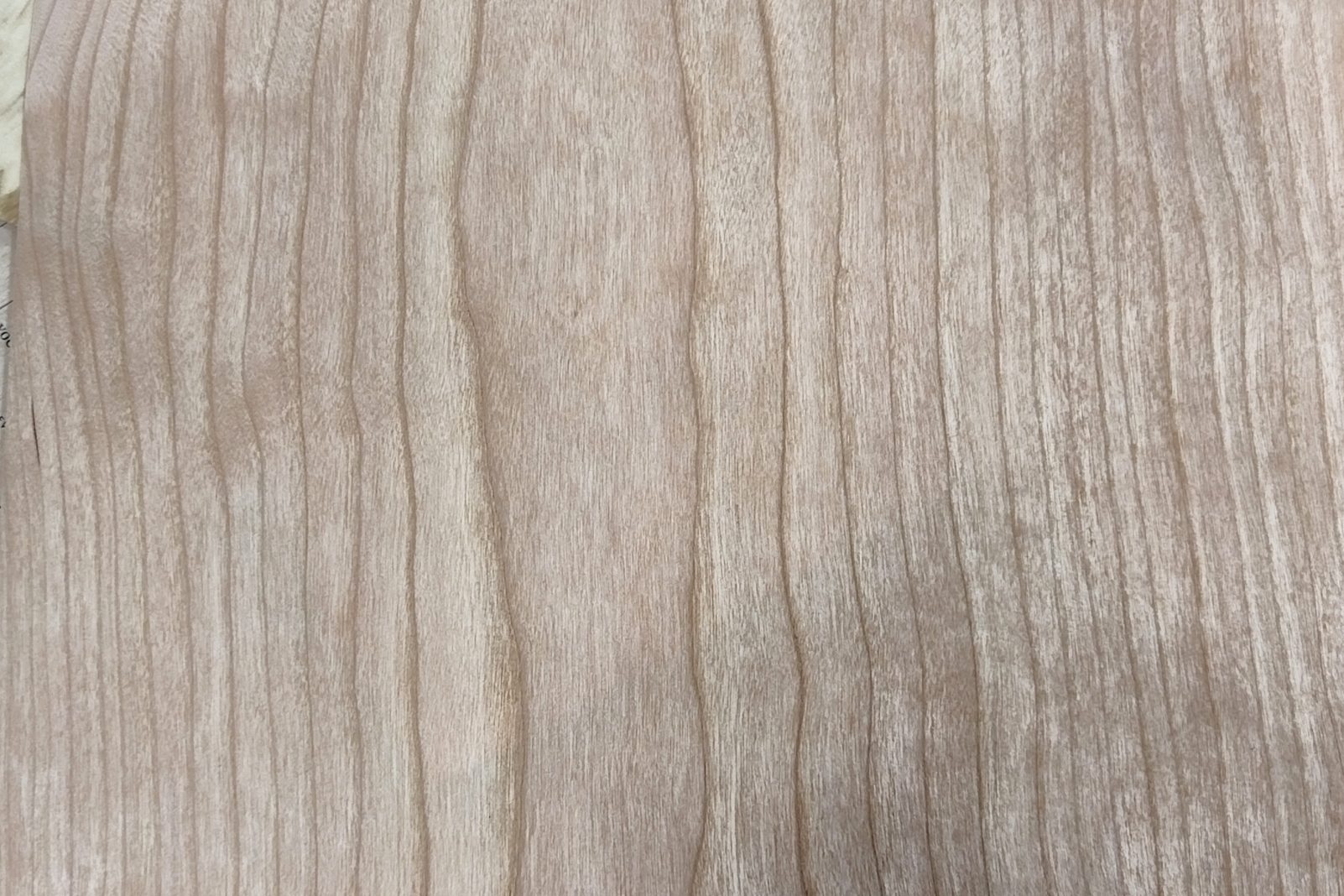
Once a hotel decides to move away from standard PVC, the next question is usually paper or wood, and they solve different problems. Coated paper is the economical choice for high-turnover properties where cards are not returned. Wood and bamboo are the premium, brand-forward choice where the card itself is part of the guest experience. Relative cost varies with construction, order size and finishing; the tiers below are planning considerations, not supplier offers.
| Factor | Wood veneer | Bamboo | Coated paper | Standard PVC |
|---|---|---|---|---|
| Feel | Warm, visible grain, varies card to card | Lighter tone, straighter grain, slightly more uniform | Light, smooth coated surface | Smooth laminated plastic, familiar |
| Durability in circulation | Strong for normal use, limited flex | Similar to wood, hard surface | Built for one stay, not long reuse | Best for heavy circulation and re-encoding |
| Water resistance | Limited; sealed against splashes only | Limited; same coating dependence as wood | Strong when properly coated | High |
| Printing and branding | Engraving, UV print, limited fine detail | Engraving, UV print, limited fine detail | Full-color offset or digital, high detail | Full-color, best color consistency |
| Relative cost tier | Highest of the four | High, usually just below wood veneer | Close to PVC | Lowest of the common materials |
| Lock compatibility | Identical across all four: it depends on the chip, frequency and encoding your lock brand expects, not on the card body. Confirm with test samples in your own locks. | |||
| Best fit | Boutique, luxury, VIP, keepsake | Design-led properties wanting a lighter, more uniform look | High-turnover resorts, short stays, events | Standard rooms, high-volume properties |
PETG and degradable PVC join the comparison in the guide to hotel key card materials.
For high-volume, high-turnover properties, standard PVC remains the practical option. It costs the least per card, tolerates rough handling and heavy re-encoding, and replacement is cheap enough that loss rates barely register. Convention hotels, large city properties and any operation issuing thousands of cards a month have little reason to leave it wholesale.
Paper wins on three conditions: high card volume with a cost-sensitive budget, regular exposure to pools, beaches or heavy humidity, and cards not collected at check-out. It prices close to standard PVC, and a properly coated card handles a wet resort stay well. One caution on terminology: "wood-free" describes a paper-pulp category, not a card free of wood fiber or plastic, and coatings, adhesives and the inlay carrier may contain plastics, so ask for the full composition before making any plastic-free claim.
Wood makes the most sense where the card is a brand touchpoint rather than a disposable tool: boutique and design-led hotels, luxury resorts and villa or suite tiers, wellness and spa-anchored properties, and VIP, gift or membership programs. Properties with very high turnover, heavy water exposure or the tightest cost targets are better served by other eco key card options, with wood kept for a smaller, higher-visibility tier.
A hybrid rollout is the most common real-world outcome once buyers get past the wood-or-PVC framing:
This captures the branding upside of wood where it matters most without paying for it in every room, and tests guest response and durability on one tier before expanding.
The Forest Stewardship Council certifies forest management and chain of custody; it is a sourcing certification, not a claim about card performance. A supplier's certificate does not by itself authorize an FSC claim on the finished card: the claim has to appear on the order documents under a current certificate whose scope covers the product, and any certificate number can be checked in the FSC public certificate search. It matters most for brand programs with documented sourcing requirements, ESG reporting and public sustainability claims. The FSC guide covers cost, verification and when non-certified wood is reasonable; the quality page describes the documentation available with an order.
Planning an order? Contact Cardotel with your lock and encoder details, required card or wristband specification, quantity per design and destination. Request a project quote and confirm sample availability, charges, preparation and shipping.
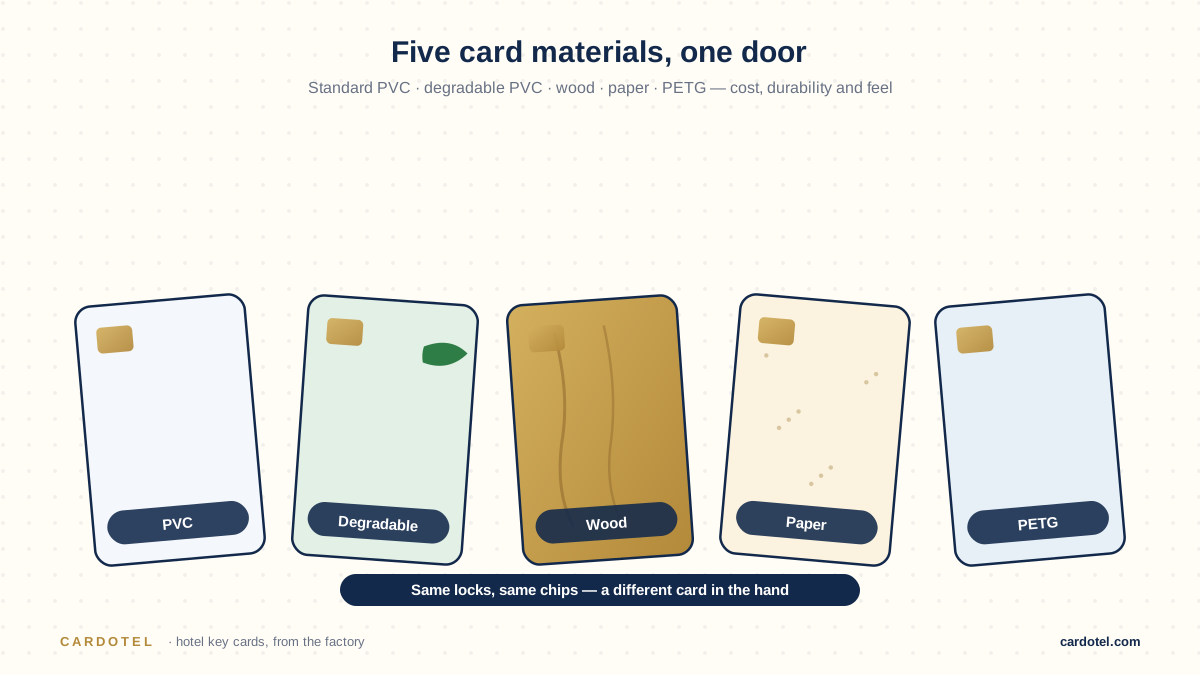
Compare 5 hotel key card materials (PVC, degradable PVC, wood, paper, PETG) on cost tier, lifespan, feel, lock fit and end of life, with tables.
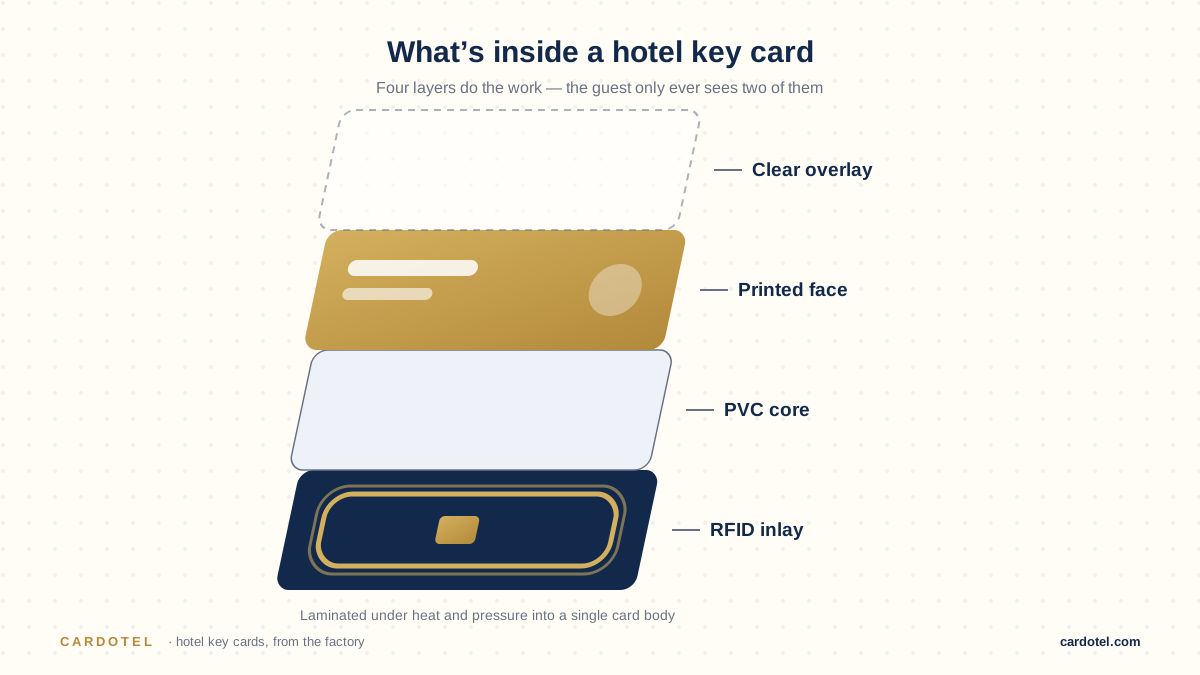
PVC, wood, and waterproof paper each build hotel key cards differently. See how each material is constructed and which one fits your property's brand.
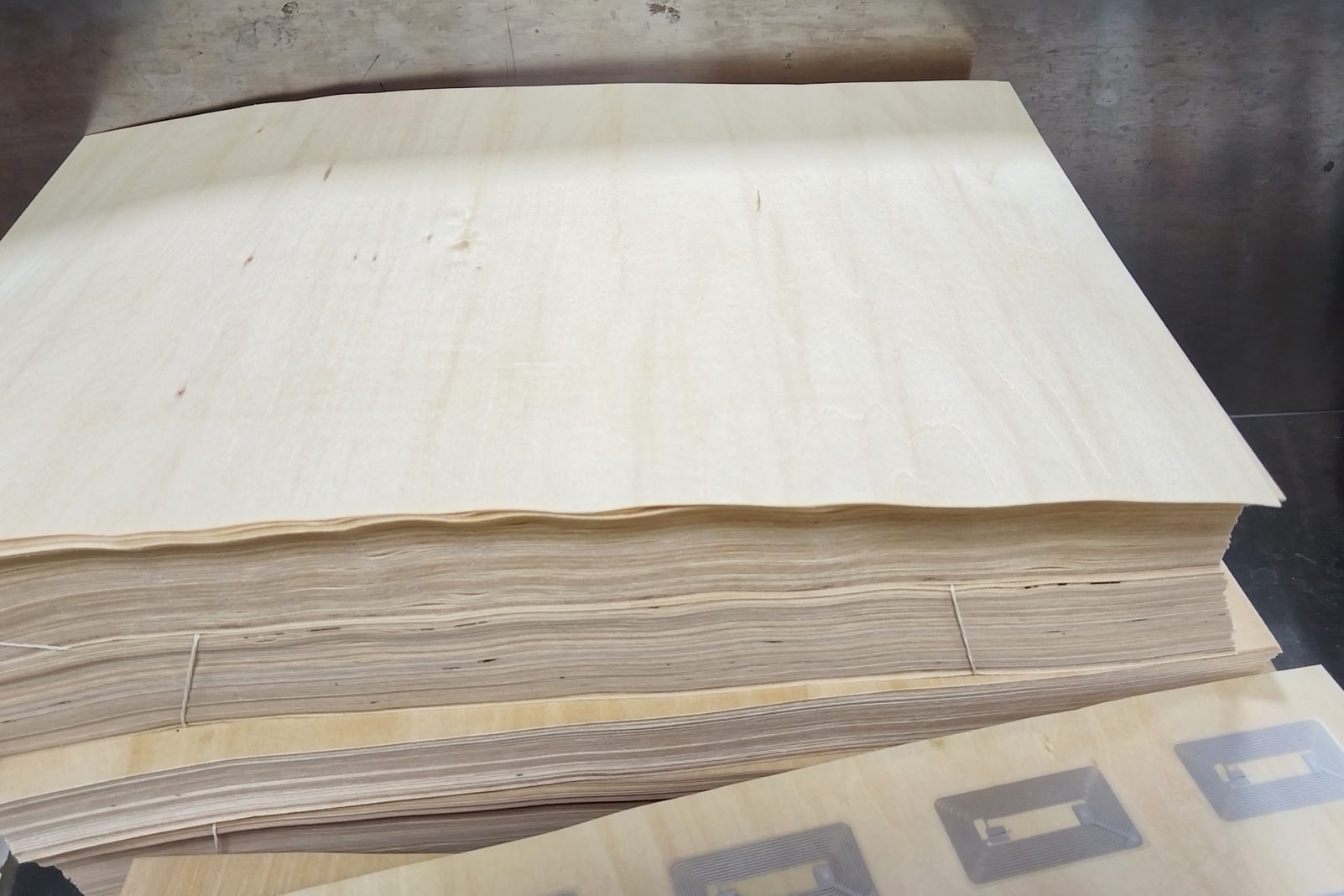
FSC-certified wooden key cards give hotels a documented sourcing claim, not just a green label. Here is what certification verifies, costs, and proves.
Start your order
Share your lock and encoder details, quantity per design, artwork and destination. Confirm card options, MOQ, sample costs and delivery in your quote.