
RFID in Hospitality: The Complete Guide Beyond Room Keys
A complete guide to RFID in hospitality beyond room keys, covering access control, resort wristbands, inventory tracking, and staff accountability.

Linen is one of the largest recurring costs in hotel operations, and it's also one of the easiest to lose track of. Towels and sheets move between guest rooms, housekeeping carts, laundry trucks, and outside processing facilities — and without a way to count them automatically, shrinkage and premature replacement quietly eat into margin.
RFID laundry tags solve this by giving every towel, sheet, and robe a scannable identity that survives industrial washing. This falls under the same family of RFID accessories hotels already rely on for access control. Here's how the technology actually works, and what a hotel gets from installing it.
A laundry tag is a small RFID chip and antenna encapsulated in a heat- and chemical-resistant housing, either sewn directly into a linen's seam label or heat-sealed onto the fabric. It has to survive repeated cycles of industrial washing, high-heat drying, and pressing without the chip cracking or the antenna breaking — a very different durability requirement than a card that lives in a guest's wallet. The underlying chip principles are closely related to what secures your hotel key cards, just packaged for a much harsher environment.
Because RFID readers can process large batches at once rather than one item at a time, this entire loop takes a fraction of the time a manual count would.
| Department | What they see | Why it matters |
|---|---|---|
| Finance | Accurate billing and shrinkage data from the laundry vendor | Removes disputes over lost or damaged item counts |
| Housekeeping | Wash cycle counts and current inventory levels per linen type | Flags items nearing end of usable life before they look worn |
| Purchasing | Real usage and replacement rate data | Improves order timing and reduces emergency reorders |
Tag durability through commercial laundering is the first thing to verify — ask for tags that have actually been tested through your laundry provider's wash and dry cycle, not just a lab spec sheet. Reader placement matters too: tags need to be scanned consistently at each handoff point, which sometimes means adding fixed readers at doorways or workstations in addition to handheld units. Finally, confirm the tag system integrates with your existing property management and laundry software before committing, since a system that requires a second parallel database rarely gets used consistently by staff. Our FAQ covers more on chip durability and read ranges if you're comparing tag types.
Planning an order? Contact Cardotel with your lock and encoder details, required card or wristband specification, quantity per design and destination. Request a project quote and confirm sample availability, charges, preparation and shipping.

A complete guide to RFID in hospitality beyond room keys, covering access control, resort wristbands, inventory tracking, and staff accountability.
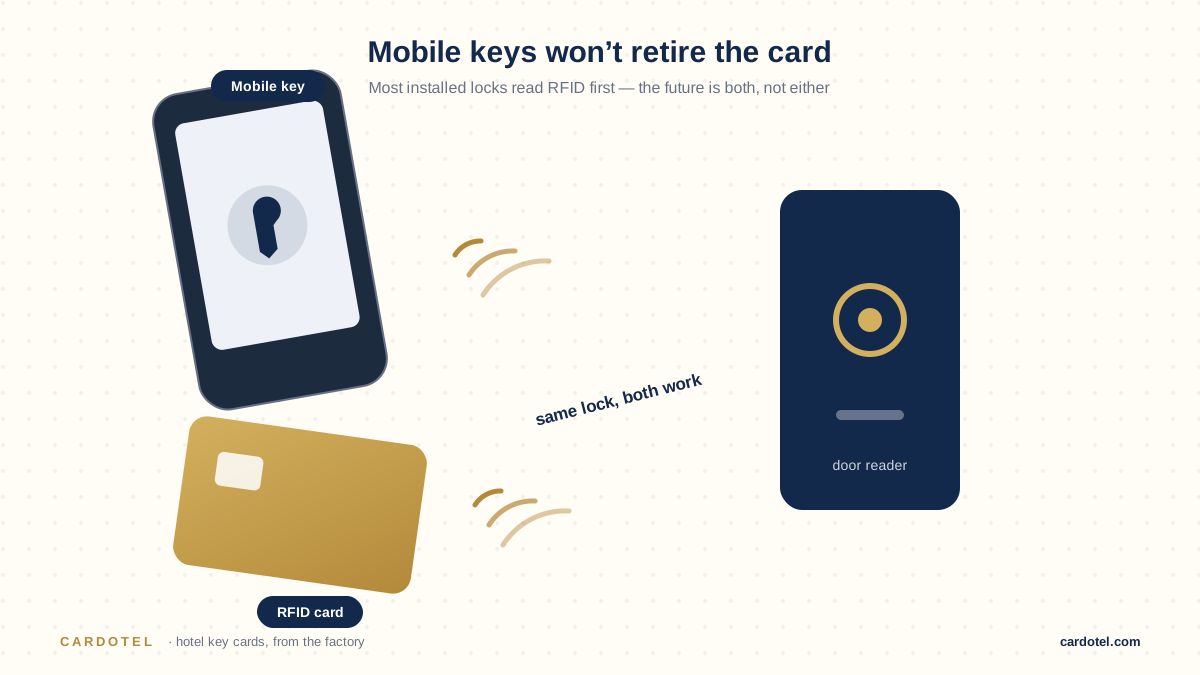
Mobile keys, wearables, and new card materials are reshaping hotel access. Here's a realistic look at what's actually changing and what runs on RFID cards.
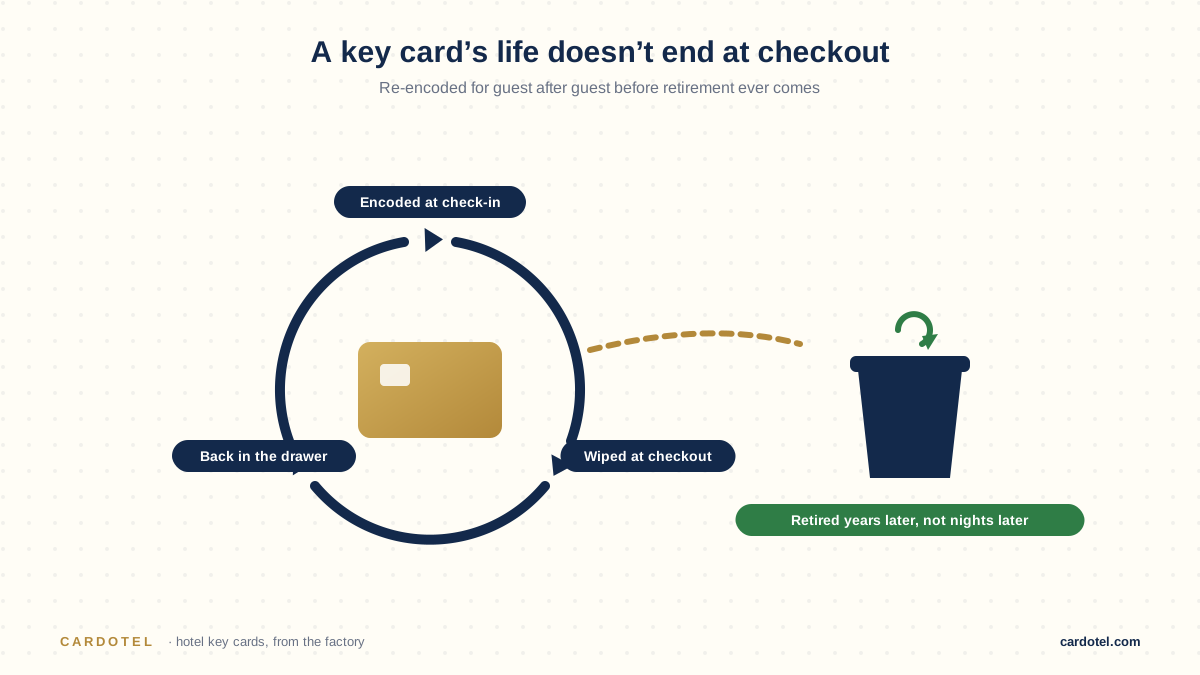
Hotels rarely trash key cards after one stay. Here's the real lifecycle of a hotel key card, from check-in encoding to final retirement and disposal.
Start your order
Share your lock and encoder details, quantity per design, artwork and destination. Confirm card options, MOQ, sample costs and delivery in your quote.