
Hotel Key Card Materials Compared: PVC, Wood, Paper, PETG
Compare 5 hotel key card materials (PVC, degradable PVC, wood, paper, PETG) on cost tier, lifespan, feel, lock fit and end of life, with tables.

Material claims: Assess the complete card, including the chip, antenna, coatings, laminates and adhesives. Request product-specific composition and test evidence before making an environmental claim. Confirm collection and processing with the local waste operator; a material name does not establish recyclability or compostability.
A hotel in Miami, Dubai, or Bali asks a different question about key cards than a hotel in Copenhagen does. Heat and humidity are not occasional stress tests in these climates; they are the daily operating environment, and they expose weaknesses in standard PVC that milder climates rarely surface.
Waterproof paper (wood-free) key cards have become a common substitute in these markets, not as a trend but as a practical response to how PVC actually behaves under sustained heat and moisture. Here is what is really going on, and what to verify before switching a property over.
PVC is a flexible plastic held together partly with plasticizers, and prolonged exposure to high heat can cause a card to soften, warp, or bow slightly over time, especially when cards sit in hot cars, direct sun near a pool deck, or un-air-conditioned back-office storage. Humidity adds a second problem: lamination edges can lift or cloud over months of exposure to consistently damp air, even without any single dramatic soaking event.
Paper-based cards can use different fibers, coatings, laminates and adhesives. Their response to heat and humidity depends on that complete construction; paper is not inherently the better choice for every hot or humid property. Ask for temperature and moisture limits, then test representative samples under expected storage and guest-use conditions.
Confirm printing and finishing for the selected paper construction. Review artwork, colors and surface wear on a physical proof rather than assuming every paper card supports the same processes or matches PVC.
Some properties use cards for rooms and wristbands around pools. Confirm water, cleaning and heat limits for each exact product; a paper or silicone label is not an operating specification.
Confirm the exact chip, credential configuration, antenna performance and finished dimensions against the installed lock, encoder and software. Test the proposed paper card using the property’s authorized issuing workflow and required doors before approving a change.
| Check | PVC and paper-based cards |
|---|---|
| Heat | Verify the exact construction’s temperature limits and dimensional stability |
| Humidity and water | Check coating, edge sealing, adhesive and exposure duration |
| Review a representative physical proof | |
| Cost | Request comparable dated project quotes |
| Acceptance | Test storage, guest use, encoding and door reads at the property |
Planning an order? Contact Cardotel with your lock and encoder details, required card or wristband specification, quantity per design and destination. Request a project quote and confirm sample availability, charges, preparation and shipping.
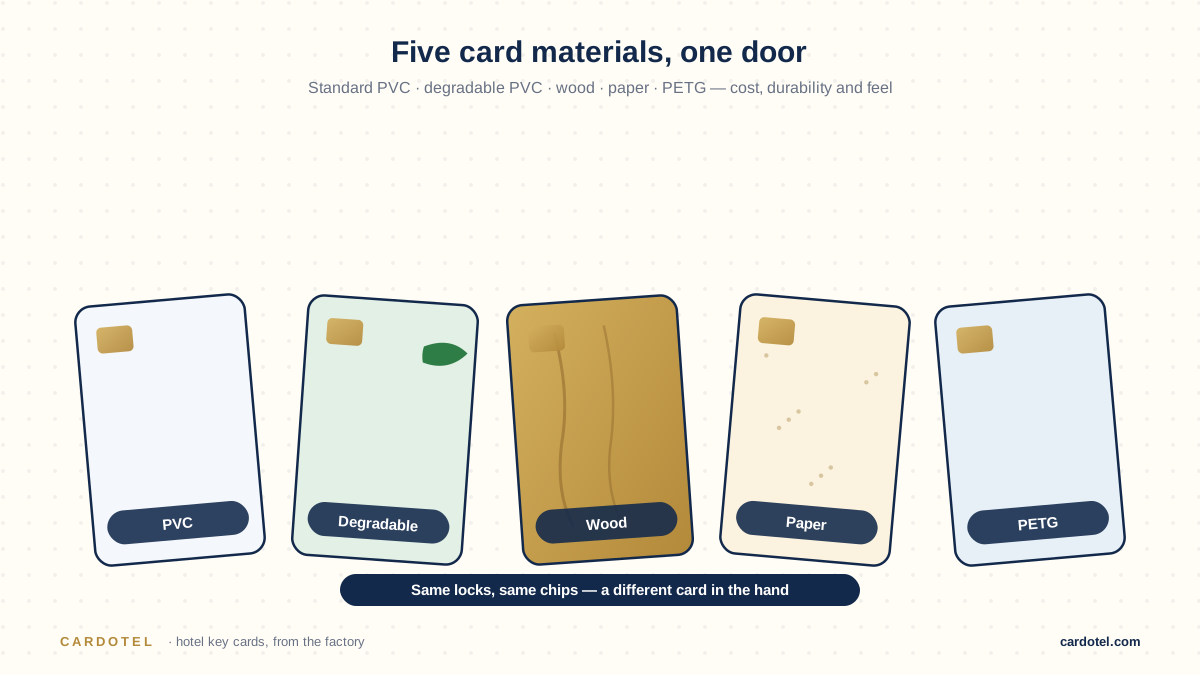
Compare 5 hotel key card materials (PVC, degradable PVC, wood, paper, PETG) on cost tier, lifespan, feel, lock fit and end of life, with tables.
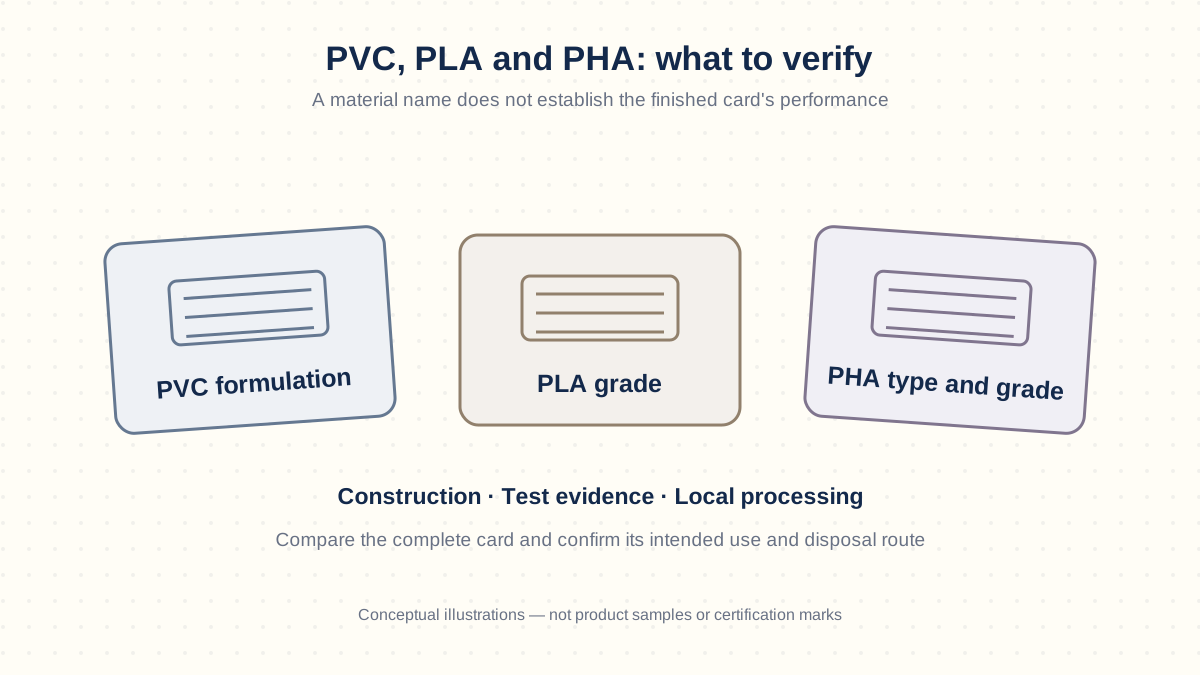
Compare PVC, PLA and PHA key card claims, test methods, complete-card construction and local disposal options before agreeing samples and an order.
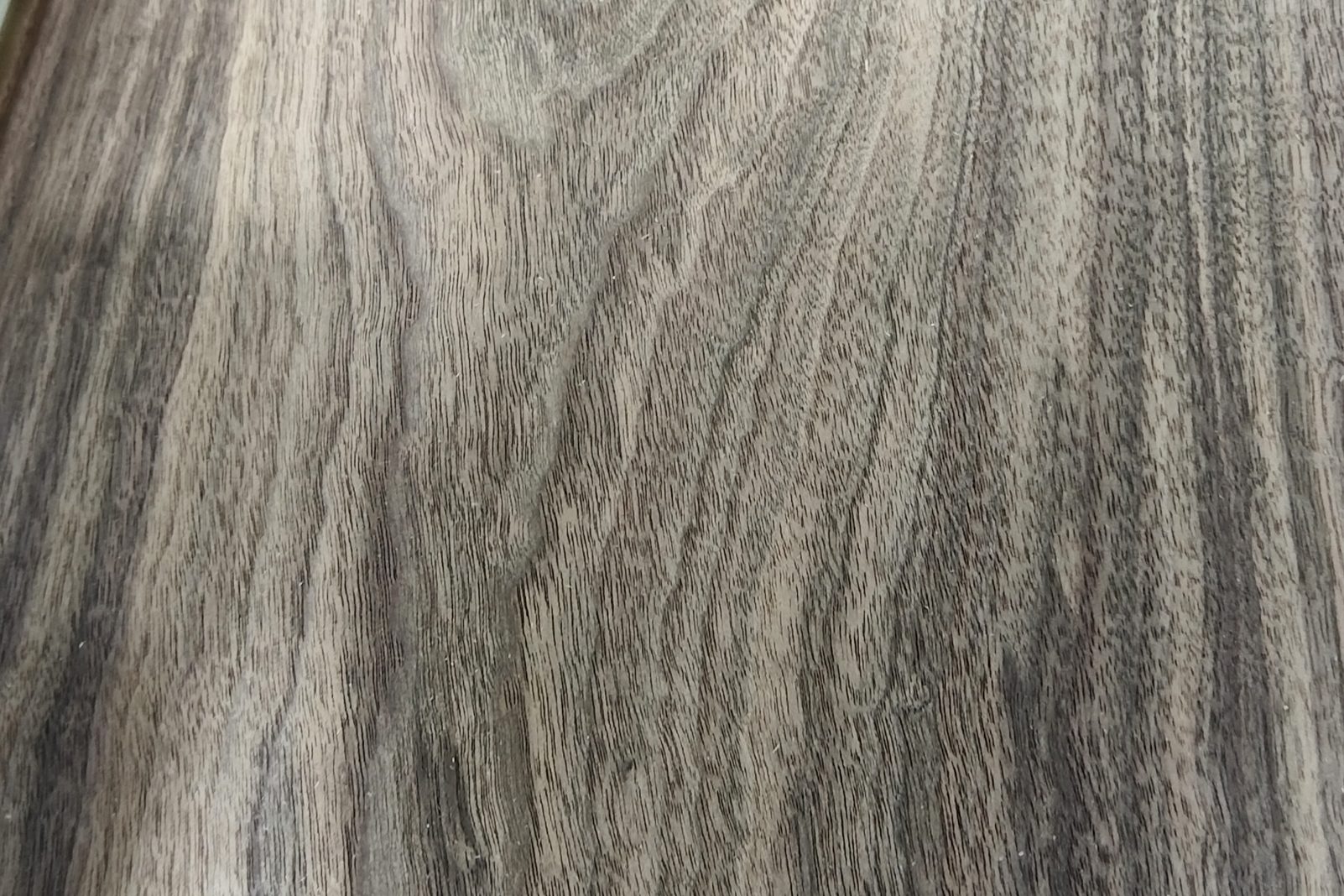
What a wooden RFID key card is, how it compares with PVC, paper and bamboo on durability, water, print and cost, plus 7 checks before you order.
Start your order
Share your lock and encoder details, quantity per design, artwork and destination. Confirm card options, MOQ, sample costs and delivery in your quote.