
Hotel Key Card Materials Compared: PVC, Wood, Paper, PETG
Compare 5 hotel key card materials (PVC, degradable PVC, wood, paper, PETG) on cost tier, lifespan, feel, lock fit and end of life, with tables.
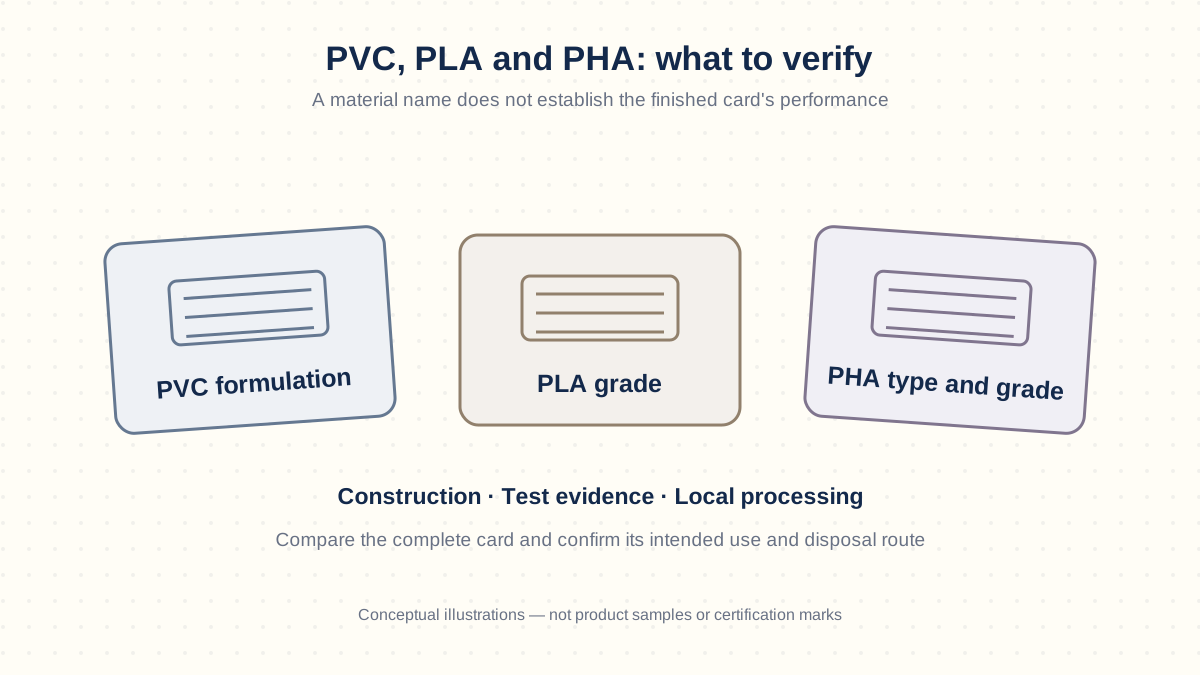
A key card quote may describe the material as “degradable PVC,” “bio-based” or “compostable.” Those terms answer different questions. Before choosing a card, identify the proposed construction, the evidence behind its environmental wording and how the finished card will perform in your property.
This comparison explains what to verify for PVC formulations, PLA and PHA. The sources below describe material concepts and test methods; they do not establish a test result or certification for a Cardotel product.
The European Commission’s explanation of bio-based, biodegradable and compostable plastics separates feedstock origin from end-of-life behavior. A bio-based label alone also does not establish lower environmental impact across a product’s life cycle.
| Material description | What to identify in the proposed card | What the name does not establish |
|---|---|---|
| PVC described as degradable | PVC grade, any additive or blend, layer structure and the precise claim being made. | That an additive causes the whole card to biodegrade in its eventual disposal location. |
| PLA | The specific PLA grade or blend, processing state, coatings and other card layers. | That every PLA card has the same heat resistance or qualifies for composting. |
| PHA | The particular PHA polymer and grade, blend ingredients and finished construction. | That data for another PHA product, or for PLA, applies to this card. |
PLA and PHA are not interchangeable names. For example, Kaneka identifies its Green Planet polymer as PHBH, a particular PHA, and limits the certification mentioned on that page to certain grades. A resin manufacturer’s documentation must still be matched to the material actually offered; it is not evidence for an unspecified finished RFID card.
ASTM D5511 measures anaerobic biodegradation under controlled, high-solids digestion conditions, using conversion of sample carbon into gas. Its conditions may resemble some actively managed landfills, but it does not reproduce every landfill. The published scope limits performance claims to the measured result and test duration and rules out unqualified biodegradability claims.
A D5511 reference alone therefore does not show that a proposed PVC card was tested. Even an applicable report cannot be turned into a promised rate or disappearance date in a hotel’s actual waste destination. It also does not establish compostability or a lower overall environmental impact.
Other standard numbers answer different questions: D3826 concerns a tensile-test brittle endpoint for polyethylene and polypropylene films and sheets; D5208 concerns fluorescent UV exposure of photodegradable plastics. Neither is evidence of landfill biodegradation of a finished PVC key card.
An RFID card includes more than its named resin: the chip, antenna, inlay carrier, inks, coatings, laminates and adhesives all belong in the construction review. Evidence for resin pellets, unprinted sheet or a different product does not by itself establish that this complete card is compostable. Check exactly which specimen and components any report or certification covers.
The EPA’s recycling and composting guidance distinguishes commercial from home composting and directs users to check local acceptance. Ask the receiving operator about the exact finished card, including its electronic and metal components. A composting service existing nearby does not establish that it will accept that item; a compostable label is not an instruction to put it into ordinary plastics recycling.
If the intended collection and processing route cannot be confirmed, leave it out of the card’s disposal instructions and environmental claims. Do not assume what proportion of hotels compost, recycle or landfill their cards.
There is no single thermal specification to apply to all PLA, all PHA or all modified PVC cards. For example, NatureWorks describes differences in crystallinity and thermal properties between its Ingeo grades. That illustrates why the grade and processing history matter; it does not supply a temperature rating for a hotel card.
Request the proposed grade’s data and the test method behind each value. Glass transition, Vicat softening and heat-deflection measurements describe different behavior and should not be substituted for each other. Agree finished-card checks for the planned shipping, storage and use conditions, including exposure duration and load. Record flatness, dimensions, surface condition and reading performance after the agreed conditioning.
Do not assume the printing process, finish options, service life or price premium is identical across formulations. Compare quotes for the same finished size, thickness, artwork, quantity and agreed performance requirements.
A material change does not automatically preserve access compatibility. The credential specification, chip configuration, antenna and finished construction must suit the installed system. Record the lock and reader models, encoder and software requirements, then test a proposed credential through the property’s authorized issuing process on representative doors and shared readers.
A material swatch or printed proof helps assess appearance; it does not demonstrate that a configured credential will work. Keep those approvals separate and record the accepted construction before ordering.
Use the quality and documentation checklist to structure the evidence review. Compare the questions on the alternative PVC and bio-based materials pages, then record the accepted specification using the key card sample acceptance checklist.
For a sample or quote request, specify whether you need print and material review, a configured access sample, or both. Sample availability, preparation, charges, shipping and production timing are confirmed for the project. No material family is the default winner without the construction, operating requirements and evidence for the proposed order.
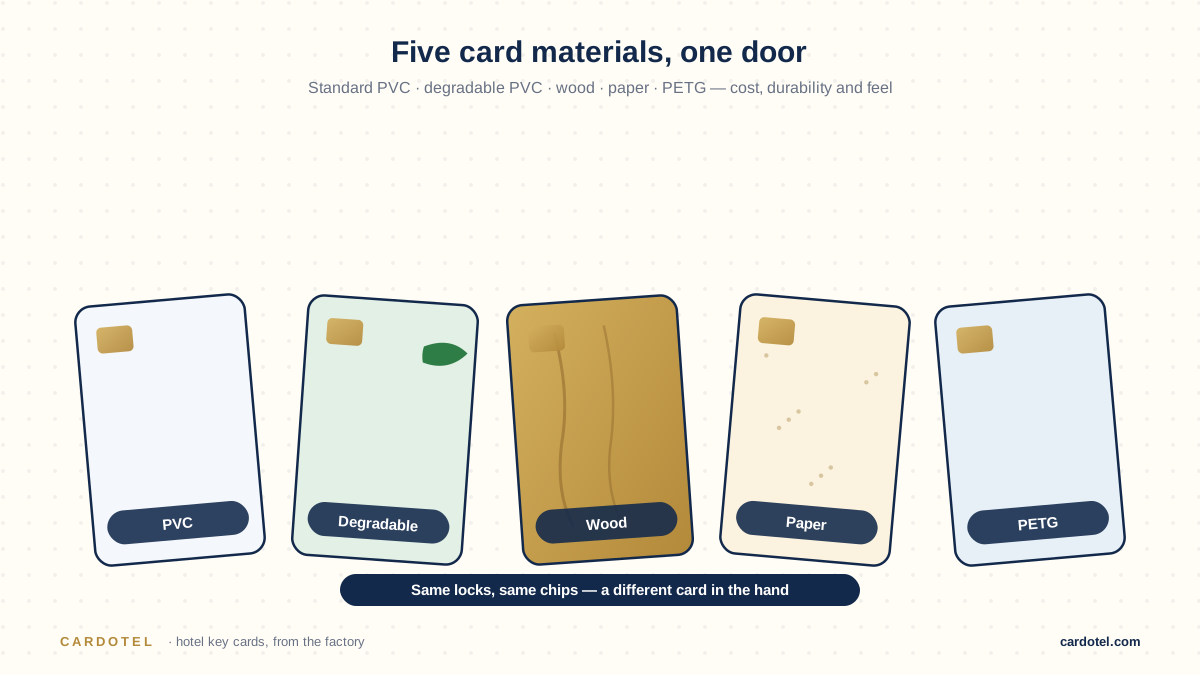
Compare 5 hotel key card materials (PVC, degradable PVC, wood, paper, PETG) on cost tier, lifespan, feel, lock fit and end of life, with tables.
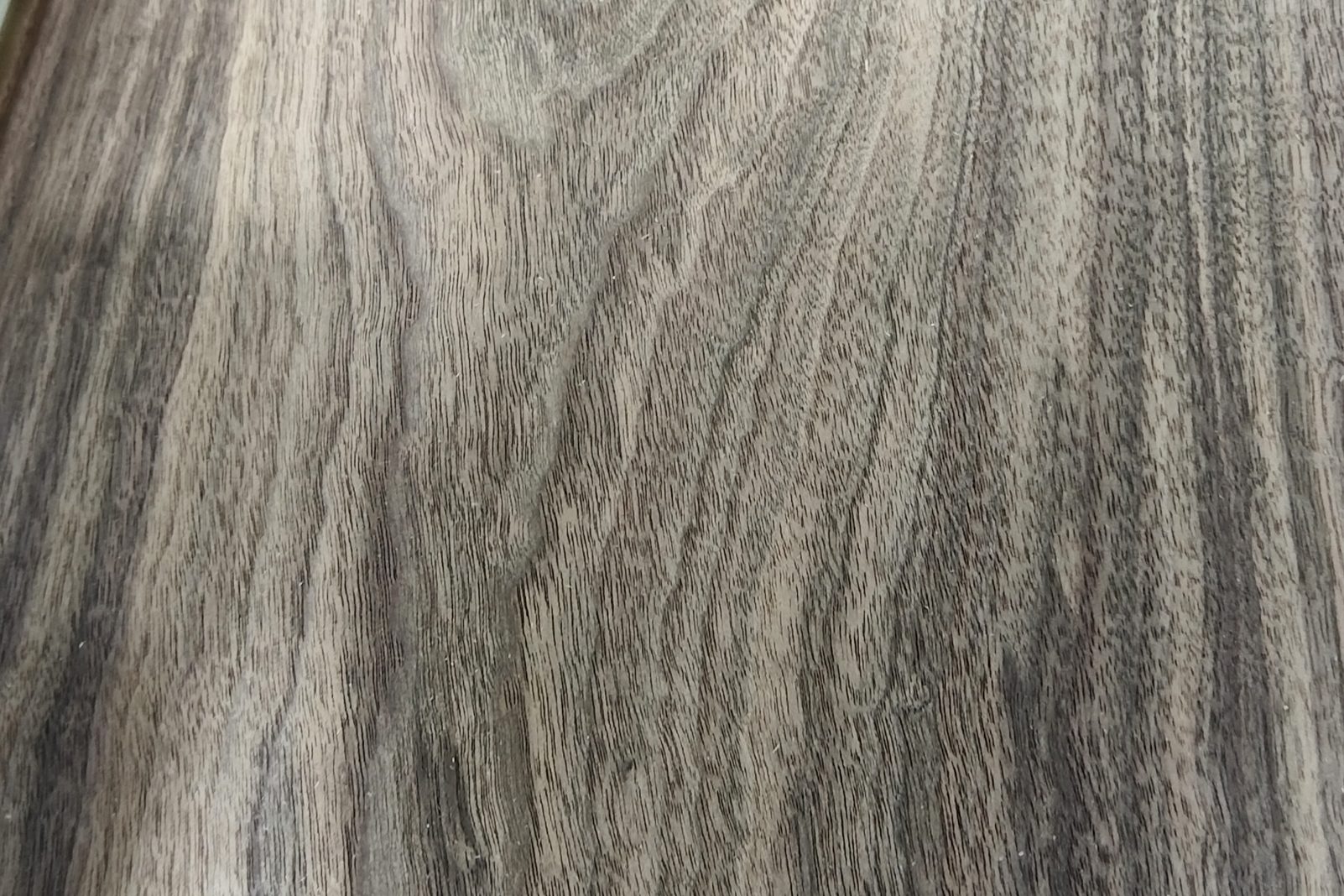
What a wooden RFID key card is, how it compares with PVC, paper and bamboo on durability, water, print and cost, plus 7 checks before you order.
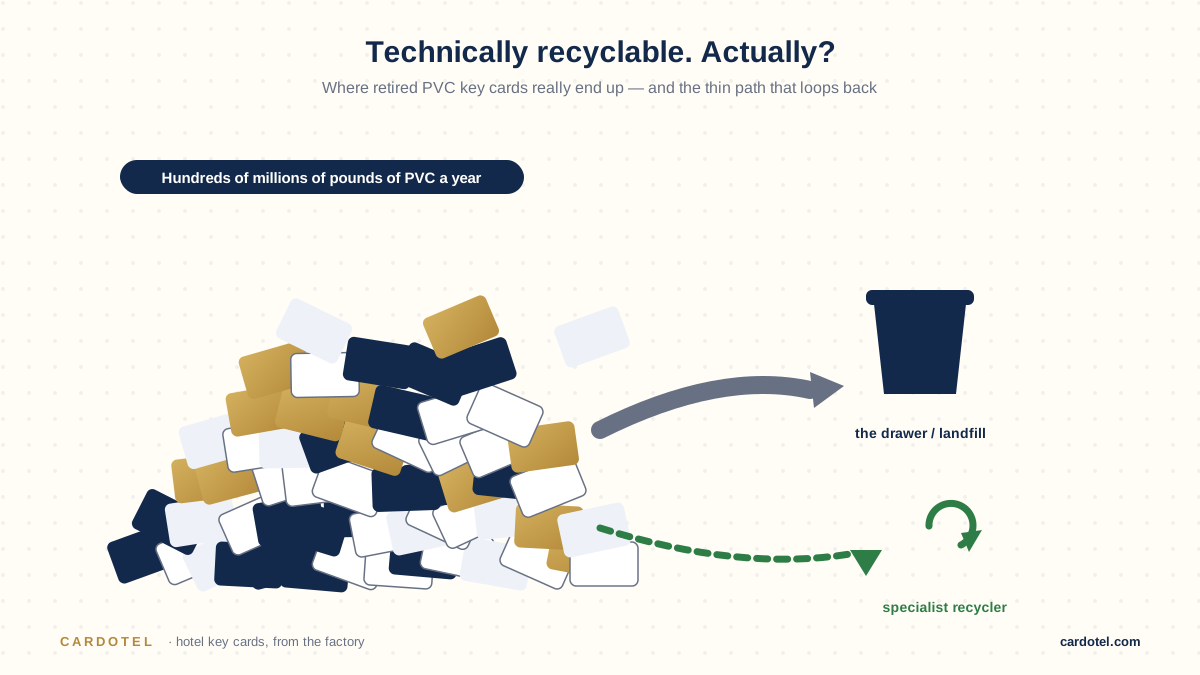
PVC key cards are technically recyclable, but almost none get recycled in practice. Here's which card materials actually can be, and why RFID complicates it.