
Komponenten · Overlay
Overlay-Folien für PVC- und PETG-Karten
Die Windschutzscheibe der Karte
Schutzfolien beeinflussen Glanz, Haptik und Haftung. Wählen Sie sie passend zu Kern und Druckprozess.
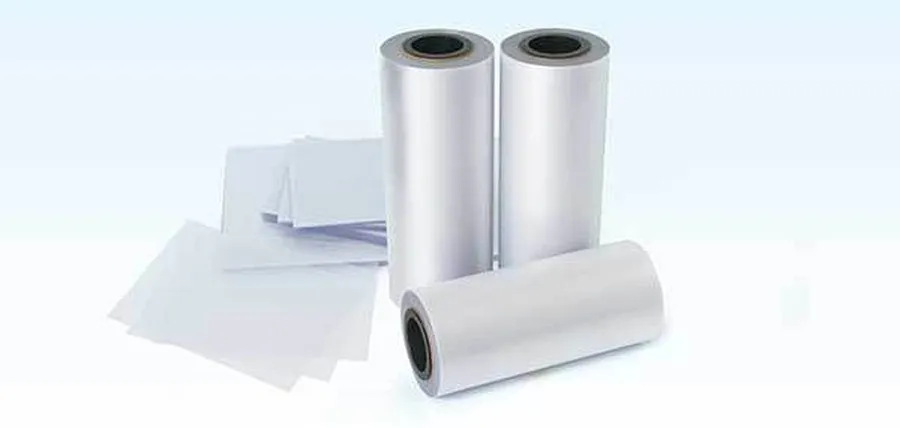
Träger und Klebstoff müssen zum Laminat passen. Vereinbaren Sie Dicke, Verfahren und Verbundfestigkeit. Glänzende, matte oder holografische Oberflächen erfordern Muster sowie Bestätigung von Verfügbarkeit und Preis.
Höhepunkte
Oberfläche
Vergleichen Sie Glanz, Mattierung und Haptik an Mustern.
Verbund
Prüfen Sie Schälfestigkeit, Abrieb und Reinigung am gesamten Laminat.
Sichtprüfung
Ein Hologramm verhindert kein elektronisches Klonen von Ausweisen.
Prüfpunkte für die Spezifikation
- Material
- Overlay-Folien
- Beispielhafter Schichtaufbau
- Schutzfolie → Schutzfolie → Funktionsbeschichtung
- Abmessungen
- Bestätigen Sie Folien- oder Bogendicke, Breite, Prozesstoleranzen und Abmessungen des fertigen Verbunds.
- Materialunterlagen
- Spezifikation von Folie, Klebstoff und Laminierbedingungen
- Leistungsnachweise
- Schäl-, Abrieb- und Chemikalienprüfungen mit Bedingungen
So wirken die Schichten zusammen
Die Grafik zeigt einen möglichen Aufbau. Reihenfolge, relative Dicke und Komponenten sind beispielhaft; Lieferantenspezifikation und freigegebenes Muster bestimmen die bestellte Ausführung.
Beispielhafter Aufbau; tatsächliche Schichten und Maße projektbezogen bestätigen.
- Schutzfolie Oberfläche und Verschleißschicht; Träger und Klebesystem prüfen.
- Schutzfolie Oberfläche und Verschleißschicht; Träger und Klebesystem prüfen.
- Funktionsbeschichtung Aufgabe und Zusammensetzung hängen vom gewählten Verfahren ab.
Vor der Produktionsfreigabe
- Erfassen Sie Schloss, Kodierer, Software und Ausweiskonfiguration; prüfen Sie das Fertigmuster am installierten System.
- Geben Sie Grafik, Oberfläche, Maße und Handhabungsbedingungen anhand eines repräsentativen Musters frei.
- Bestätigen Sie Mindestmenge, Muster- und Produktionskosten, Versandbedingungen und Lieferzeit im Projektangebot.
Verwandte Optionen vergleichen
Fragen zum Material
Was schützt die Folie?
Sie legt eine Verschleißschicht über den Druck und beeinflusst Beständigkeit gegen Handhabung und Reinigung. Der Schutz hängt von Folie und Haftung ab; vereinbaren Sie Abrieb- und Reinigungsmittelprüfungen.
Verhindert ein Hologramm das Klonen?
Es ergänzt einen optischen Prüfhinweis, den gewöhnlicher Druck nicht unmittelbar reproduziert. Elektronisches Kopieren wird dadurch nicht verhindert; Chip- und Systemsicherheit bleiben erforderlich.
Kosten matte und Soft-Touch-Oberflächen gleich viel?
Verfügbarkeit und Kosten hängen von Folie, Menge und Prozess ab. Bestätigen Sie die Oberfläche im Angebot und geben Sie ein Muster frei; eine pauschal kostenlose Veredelung wird nicht zugesagt.
Wie wird die Laminiertemperatur gewählt?
Nutzen Sie Vorgaben der Folien-, Klebstoff-, Kern- und Farblieferanten und prüfen Sie den Verbund. Eine einzelne Erweichungstemperatur definiert nicht das Prozessfenster jedes Laminats.
Bestellung starten
Planen Sie Ihre nächste Schlüsselkartenbestellung?
Nennen Sie Schloss und Encoder, Menge je Motiv, Druckvorlage und Zielort. Stimmen Sie Optionen, Mindestmenge, Musterkosten und Lieferung im Angebot ab.