
Componentes · Overlay
Películas overlay para cartões de PVC e PETG
O para-brisas do cartão
Filmes protetores influenciam brilho, toque e adesão. Escolha o filme junto com o núcleo e o processo de impressão.
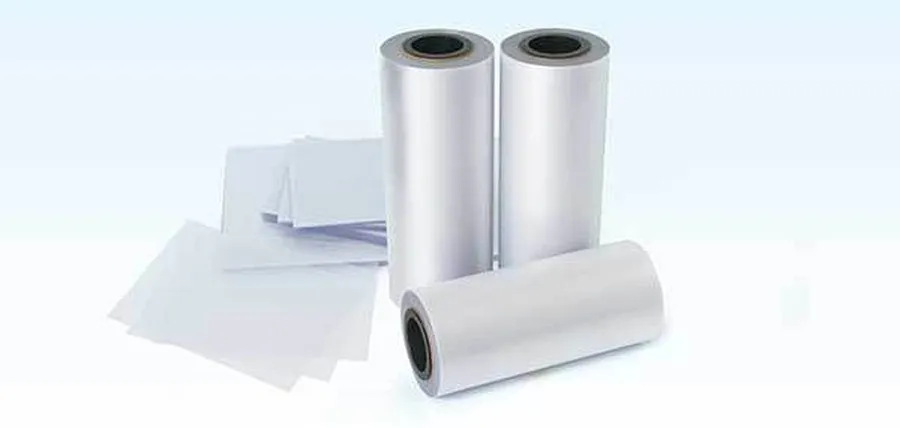
Suporte e adesivo devem combinar com o laminado. Defina espessura, processo e resistência de união. Acabamentos brilhantes, foscos ou holográficos exigem amostra e confirmação de disponibilidade e preço.
Destaques
Acabamento superficial
Compare brilho, fosco e textura nas amostras.
União
Teste descolamento, abrasão e limpeza no laminado completo.
Inspeção visual
Um holograma não impede a clonagem eletrônica de credenciais.
Pontos para definir a especificação
- Material
- Películas overlay
- Camadas ilustrativas
- Filme protetor → Filme protetor → Revestimento funcional
- Dimensões
- Confirme espessura e largura do filme ou lâmina, tolerâncias do processo e dimensões do conjunto acabado.
- Documentação do material
- Especificação de filme, adesivo e laminação
- Evidência de desempenho
- Resultados de descolamento, abrasão e resistência química com condições
Como as camadas se combinam
O diagrama mostra uma construção possível. Ordem, espessura relativa e componentes são ilustrativos; a especificação do fornecedor e a amostra aprovada definem o pedido.
Estrutura ilustrativa; confirme camadas e dimensões reais do projeto.
- Filme protetor Acabamento e camada de desgaste; confirme suporte e união.
- Filme protetor Acabamento e camada de desgaste; confirme suporte e união.
- Revestimento funcional Função e composição dependem do processo escolhido.
Antes de aprovar a produção
- Registre fechadura, codificador, software e configuração da credencial; teste a amostra acabada no sistema instalado.
- Aprove arte, superfície, dimensões e condições de manuseio com uma amostra representativa.
- Confirme quantidade mínima, custos de amostras e produção, envio e prazo na proposta do projeto.
Compare opções relacionadas
Perguntas sobre o material
O que o filme protege?
Ele adiciona uma camada de desgaste sobre a impressão e influencia a resposta ao manuseio e à limpeza. A proteção depende de filme e adesão; combine ensaios de abrasão e produtos de limpeza.
Um holograma impede clonagem?
Ele acrescenta um efeito óptico para inspeção visual que impressão comum não reproduz diretamente. Não impede cópia eletrônica de credenciais; a segurança de chip e sistema continua necessária.
Fosco e toque suave têm o mesmo preço?
Disponibilidade e custo dependem de filme, quantidade e processo. Confirme o acabamento na proposta e aprove uma amostra; não há promessa geral de acabamento sem cobrança.
Como definir a temperatura de laminação?
Siga orientações dos fornecedores de filme, adesivo, núcleo e tinta e valide a união. Uma única temperatura de amolecimento não define o processo de todos os laminados.
Comece a sua encomenda
Está a preparar a próxima encomenda de cartões?
Envie dados da fechadura e do codificador, quantidade por desenho, arte final e destino. Confirme opções, mínimo, custos de amostras e entrega no orçamento.