
Materiais · Policarbonato
Cartões de policarbonato (PC)
O policarbonato permite construções multicamadas e marcação a laser em graus adequados. Segurança e vida útil dependem do projeto completo.
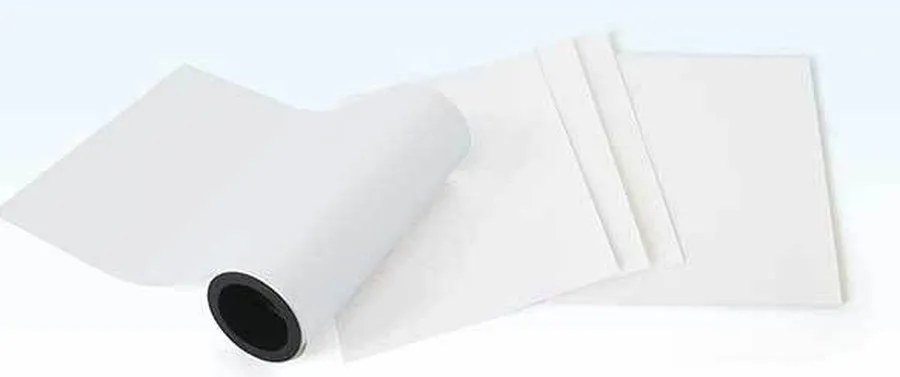
Camadas PC podem ser unidas termicamente e alguns graus permitem personalização interna. Verifique separadamente desgaste, comportamento ao fogo e resistência à adulteração. Usar PC não confere, sozinho, segurança de documento de identidade.
Destaques
Corpo multicamadas
Verifique união e durabilidade do laminado.
Marcação a laser
Valide grau, equipamento, legibilidade e permanência.
Segurança integral
Combine recursos físicos com chip, codificação e emissão.
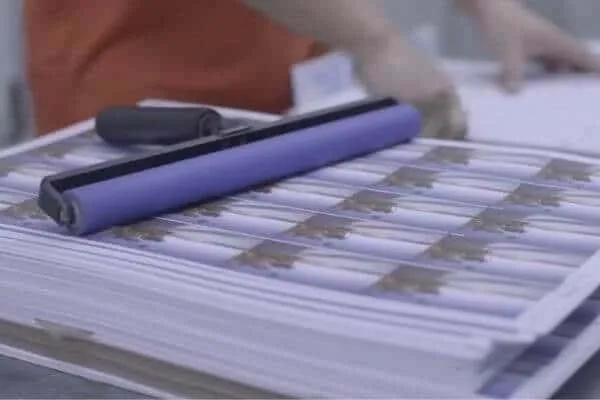
Pontos para definir a especificação
- Material
- Policarbonato (PC)
- Camadas ilustrativas
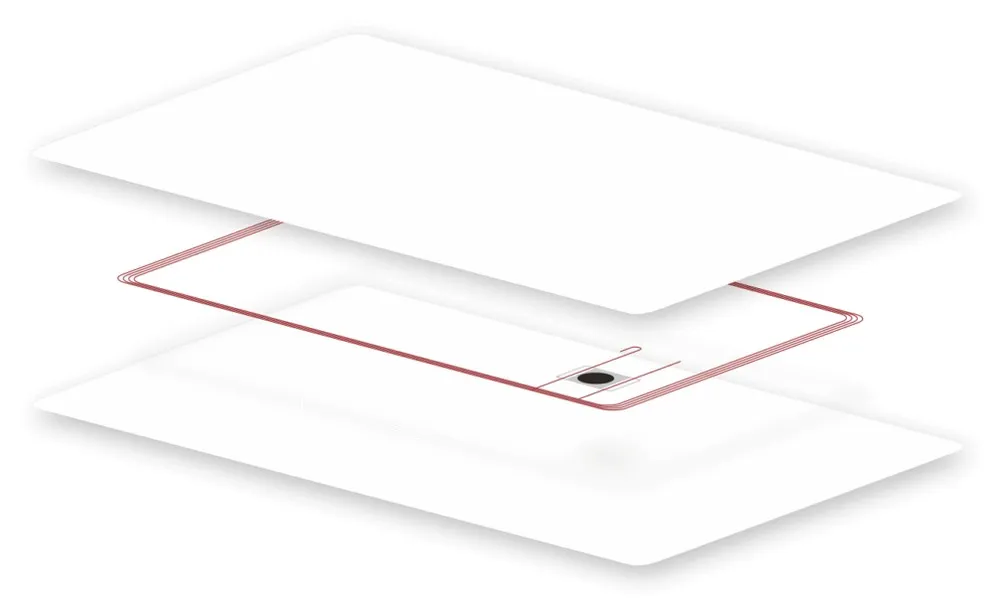
- Filme protetor → Camada impressa → Inlay RFID → Camada impressa → Filme protetor
- Dimensões
- Confirme formato, espessura final, tolerâncias e passagem pelo codificador no desenho e na amostra aprovados.
- Documentação do material
- Grau, camadas e especificação de personalização
- Evidência de desempenho
- Relatórios de durabilidade, adulteração ou fogo quando essas características forem exigidas
Como as camadas se combinam
O diagrama mostra uma construção possível. Ordem, espessura relativa e componentes são ilustrativos; a especificação do fornecedor e a amostra aprovada definem o pedido.
Estrutura ilustrativa; confirme camadas e dimensões reais do projeto.
- Filme protetor Acabamento e camada de desgaste; confirme suporte e união.
- Camada impressa Arte no substrato escolhido; confirme tinta e processo.
- Inlay RFID Chip e antena; teste o conjunto com o sistema de acesso.
- Camada impressa Arte no substrato escolhido; confirme tinta e processo.
- Filme protetor Acabamento e camada de desgaste; confirme suporte e união.
Antes de aprovar a produção
- Registre fechadura, codificador, software e configuração da credencial; teste a amostra acabada no sistema instalado.
- Aprove arte, superfície, dimensões e condições de manuseio com uma amostra representativa.
- Confirme quantidade mínima, custos de amostras e produção, envio e prazo na proposta do projeto.
Perguntas sobre o material
O que oferece uma construção PC fundida?
Camadas adequadas podem formar um corpo mais difícil de separar sem marcas. Depende dos graus e do processo; é uma característica a testar, não uma garantia contra adulteração.
Todo cartão PC aceita gravação a laser?
É necessário um grau sensível ao laser e equipamento compatível. Confirme contraste, resolução e durabilidade com a configuração e as camadas previstas.
PC garante dez anos de uso?
Não. Superfície, personalização, chip, manuseio e produtos químicos influenciam. Defina o ciclo de uso e critérios de envelhecimento e desgaste para avaliar a proposta.
Usar PC torna o cartão seguro?
A segurança também depende de chip, gestão de chaves, codificação e emissão. Recursos físicos ajudam a inspeção, mas não substituem o projeto de segurança do sistema.
Comece a sua encomenda
Está a preparar a próxima encomenda de cartões?
Envie dados da fechadura e do codificador, quantidade por desenho, arte final e destino. Confirme opções, mínimo, custos de amostras e entrega no orçamento.