
Matériaux · Polycarbonate
Cartes en polycarbonate (PC)
Le polycarbonate permet des structures multicouches et le marquage laser avec des grades adaptés. Durée de vie et sécurité dépendent du design complet.
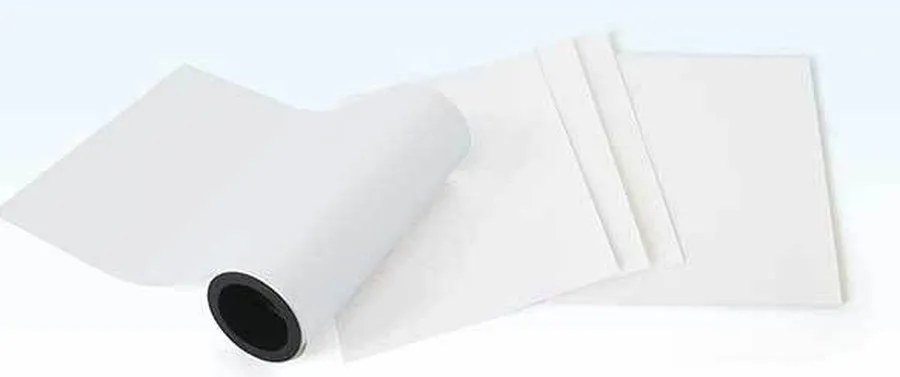
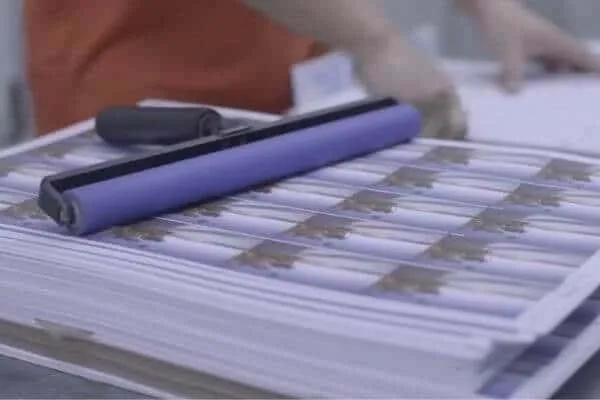
Les couches PC peuvent être soudées thermiquement et certains grades permettent une personnalisation interne. Vérifiez séparément usure, réaction au feu et résistance aux manipulations. Le PC seul ne confère pas le niveau de sécurité d’un document d’identité.
Points forts
Corps multicouche
Contrôlez soudure et durabilité du laminé.
Marquage laser
Validez grade, équipement, lisibilité et tenue.
Sécurité globale
Associez caractéristiques physiques, puce, encodage et émission.
Points à préciser dans la spécification
- Matériau
- Polycarbonate (PC)
- Couches illustratives
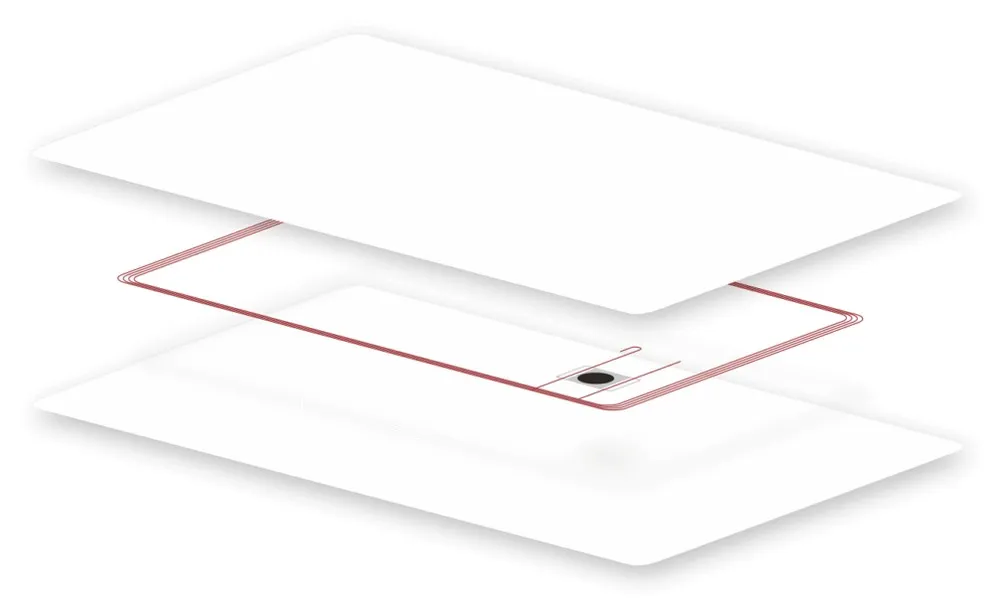
- Film de protection → Couche imprimée → Inlay RFID → Couche imprimée → Film de protection
- Dimensions
- Confirmez format, épaisseur finale, tolérances et passage dans l’encodeur sur le plan et l’échantillon approuvés.
- Documents du matériau
- Grade, couches et spécification de personnalisation
- Justificatifs de performance
- Rapports de durabilité, manipulation ou feu si ces propriétés sont demandées
Comment les couches s’assemblent
Ce schéma illustre une construction possible. Ordre, épaisseur relative et composants sont indicatifs ; la spécification fournisseur et l’échantillon approuvé définissent la commande.
Empilage illustratif ; confirmez les couches et dimensions réelles du projet.
- Film de protection Finition et couche d’usure ; vérifiez support et assemblage.
- Couche imprimée Graphismes sur le support retenu ; confirmez encre et procédé.
- Inlay RFID Puce et antenne ; testez l’ensemble avec le système d’accès.
- Couche imprimée Graphismes sur le support retenu ; confirmez encre et procédé.
- Film de protection Finition et couche d’usure ; vérifiez support et assemblage.
Avant de valider la production
- Relevez serrure, encodeur, logiciel et configuration du badge ; testez l’échantillon fini sur le système installé.
- Approuvez graphisme, surface, dimensions et conditions de manipulation sur un échantillon représentatif.
- Confirmez minimum, frais d’échantillon et de production, expédition et délai dans le devis du projet.
Questions sur le matériau
Quel intérêt présente une construction PC fusionnée ?
Des couches adaptées peuvent former un corps plus difficile à séparer proprement. Cela dépend des grades et du procédé ; c’est une caractéristique à tester, pas une garantie contre la falsification.
Toute carte PC accepte-t-elle une gravure laser ?
Il faut un grade réactif au laser et un équipement compatible. Confirmez contraste, résolution et tenue avec les réglages et couches prévus.
Le PC garantit-il dix ans d’usage ?
Non. Surface, personnalisation, puce, manipulation et produits chimiques comptent. Définissez le cycle d’usage et des critères de vieillissement et d’usure pour évaluer la proposition.
Le PC rend-il une carte sécurisée ?
La sécurité dépend aussi de la puce, de la gestion des clés, de l’encodage et de l’émission. Les caractéristiques physiques aident l’inspection sans remplacer la conception du système.
Démarrez votre commande
Vous préparez votre prochaine commande de cartes-clés ?
Indiquez serrure et encodeur, quantité par visuel, fichier et destination. Confirmez options, minimum, frais d’échantillons et livraison dans le devis.