
Matériaux · Biosourcé
Cartes-clés biosourcées (PLA/PHA)
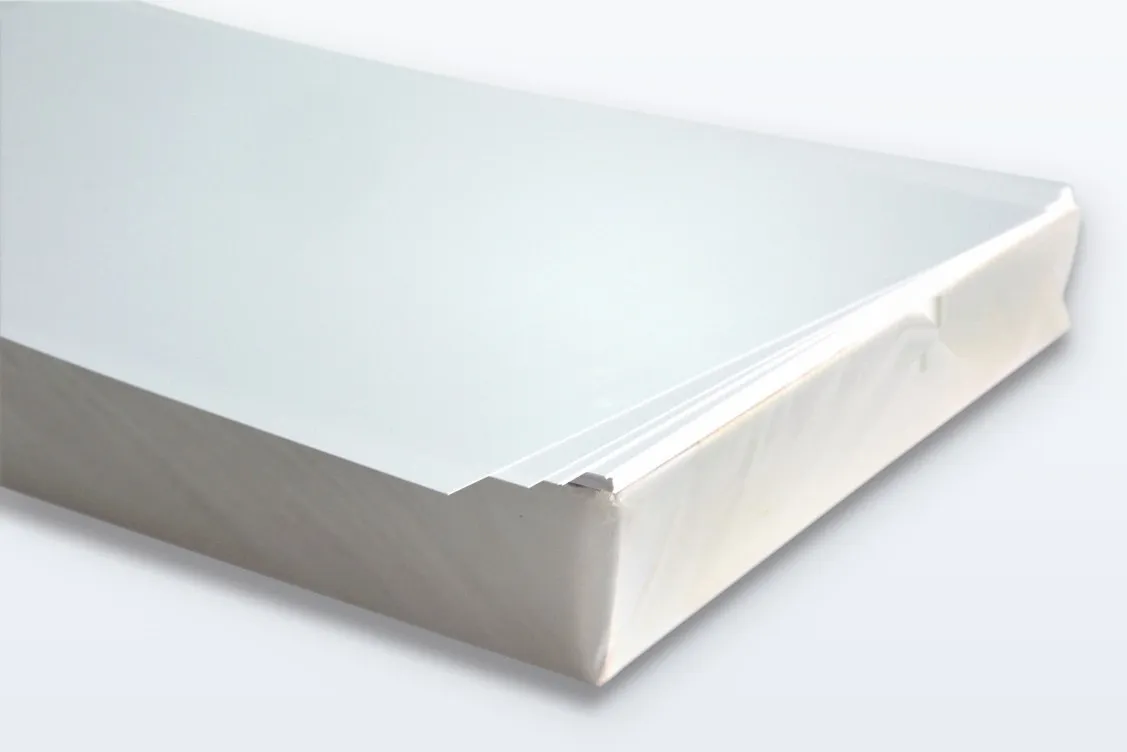
PHA et PLA sont des familles de polymères pouvant incorporer des matières renouvelables. Origine biosourcée et compostabilité sont des allégations distinctes.

Les performances varient selon grade, mélange et additifs. Certains nécessitent un compostage contrôlé ; un résultat sur résine ne prouve pas la compostabilité de la carte RFID complète. Vérifiez adhésifs, revêtements, électronique et installation de traitement.
Points forts
Origine documentée
Demandez la teneur biosourcée mesurée de la formulation.
Chaleur et humidité
Testez la carte dans les conditions de stockage et d’usage.
Fin de vie
Identifiez l’article testé et la filière de traitement.
Points à préciser dans la spécification
- Matériau
- Biosourcé (PHA/PLA)
- Couches illustratives
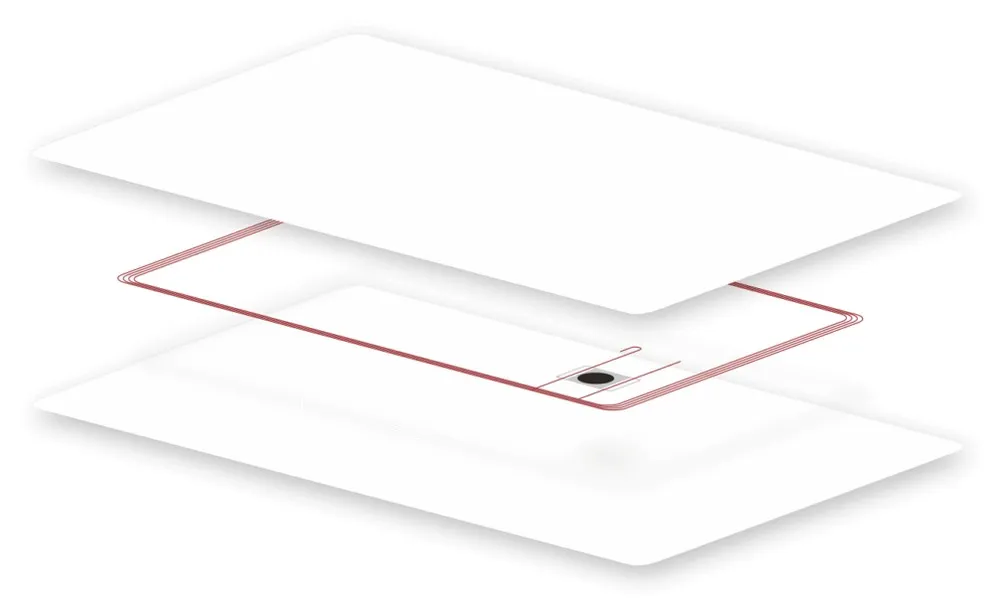
- Film de protection → Couche imprimée → Inlay RFID → Couche imprimée → Film de protection
- Dimensions
- Confirmez format, épaisseur finale, tolérances et passage dans l’encodeur sur le plan et l’échantillon approuvés.
- Documents du matériau
- Formulation et preuve de teneur biosourcée
- Justificatifs de performance
- Preuve de compostabilité de l’article et acceptation locale, si revendiquées
Comment les couches s’assemblent
Ce schéma illustre une construction possible. Ordre, épaisseur relative et composants sont indicatifs ; la spécification fournisseur et l’échantillon approuvé définissent la commande.
Empilage illustratif ; confirmez les couches et dimensions réelles du projet.
- Film de protection Finition et couche d’usure ; vérifiez support et assemblage.
- Couche imprimée Graphismes sur le support retenu ; confirmez encre et procédé.
- Inlay RFID Puce et antenne ; testez l’ensemble avec le système d’accès.
- Couche imprimée Graphismes sur le support retenu ; confirmez encre et procédé.
- Film de protection Finition et couche d’usure ; vérifiez support et assemblage.
Avant de valider la production
- Relevez serrure, encodeur, logiciel et configuration du badge ; testez l’échantillon fini sur le système installé.
- Approuvez graphisme, surface, dimensions et conditions de manipulation sur un échantillon représentatif.
- Confirmez minimum, frais d’échantillon et de production, expédition et délai dans le devis du projet.
Questions sur le matériau
Biosourcé signifie-t-il biodégradable ?
Non. Une allégation décrit l’origine ou la teneur en carbone biologique ; l’autre décrit une conversion sous certaines conditions. La preuve de l’une ne démontre pas l’autre.
Une carte PHA ou PLA peut-elle être compostée à domicile ?
Ne le supposez pas. Grade, mélange, revêtements et électronique comptent ; un essai de compostage industriel ne prouve pas une compostabilité domestique. Vérifiez l’article complet et l’installation destinataire.
Comment évaluer sa tenue à la chaleur ?
Consultez les données du grade et testez la carte selon expédition, stockage et usage prévus. Une valeur générique ne décrit pas toutes les formulations PHA ou PLA.
Quels documents demander ?
Formulation, teneur biosourcée, construction complète et essais pertinents, ainsi que les originaux de compostabilité si elle est revendiquée. Confirmez une collecte réalisable ; aucun rapport de compostabilité de la carte finie n’est publié ici.
Démarrez votre commande
Vous préparez votre prochaine commande de cartes-clés ?
Indiquez serrure et encodeur, quantité par visuel, fichier et destination. Confirmez options, minimum, frais d’échantillons et livraison dans le devis.