
Materiais · Base biológica
Cartões-chave de base biológica (PLA/PHA)
PHA e PLA são famílias de polímeros que podem incorporar matéria-prima renovável. Origem biológica e compostabilidade são alegações distintas.
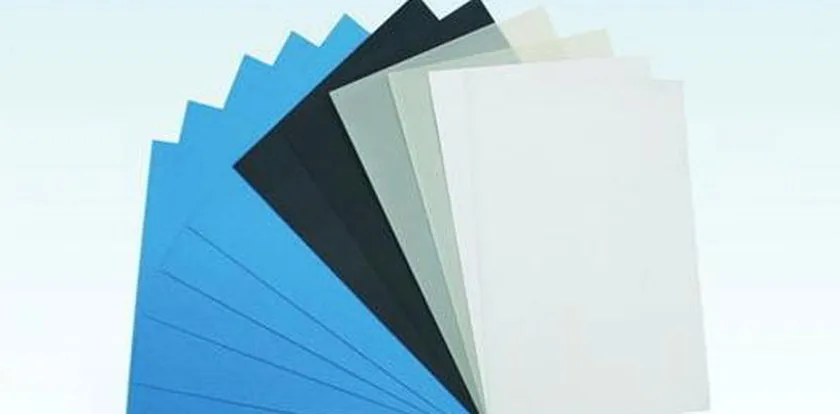
O desempenho varia conforme grau, mistura e aditivos. Alguns exigem compostagem controlada; um resultado da resina não comprova a compostabilidade do cartão RFID completo. Verifique adesivos, revestimentos, eletrônica e instalação receptora.
Destaques
Origem documentada
Peça o conteúdo de base biológica medido na formulação.
Calor e umidade
Teste o cartão nas condições de armazenamento e uso.
Fim de vida
Identifique o artigo ensaiado e a rota de tratamento.
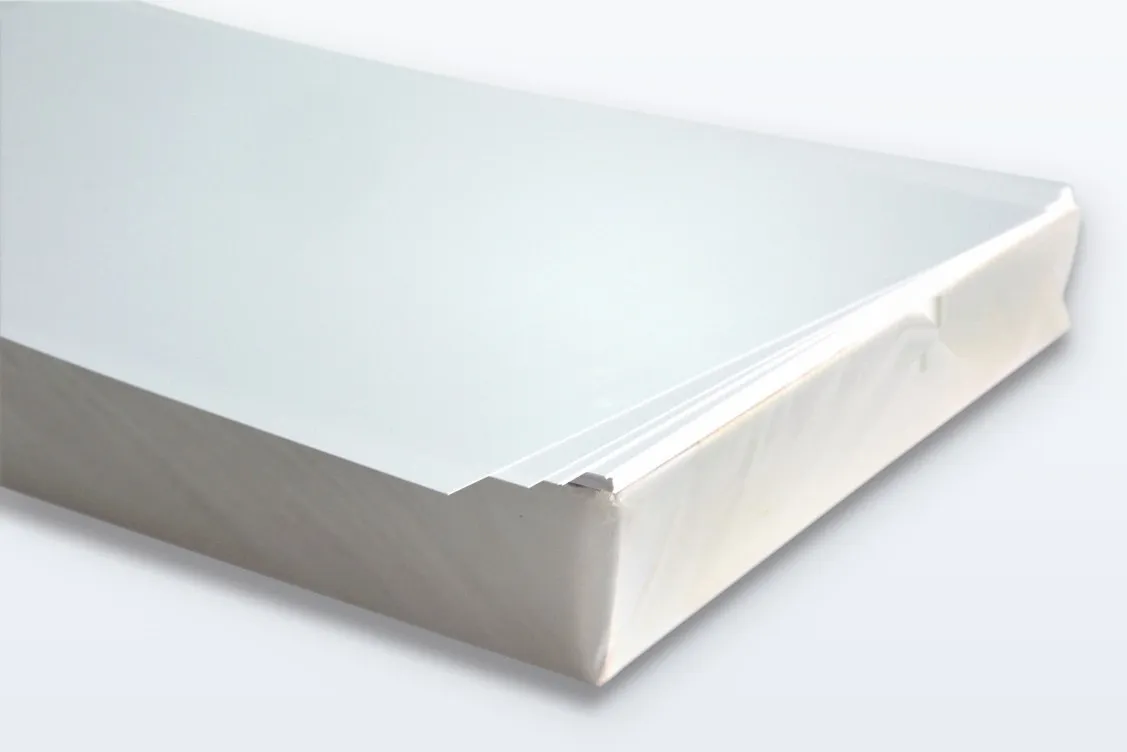
Pontos para definir a especificação
- Material
- Base biológica (PHA/PLA)
- Camadas ilustrativas
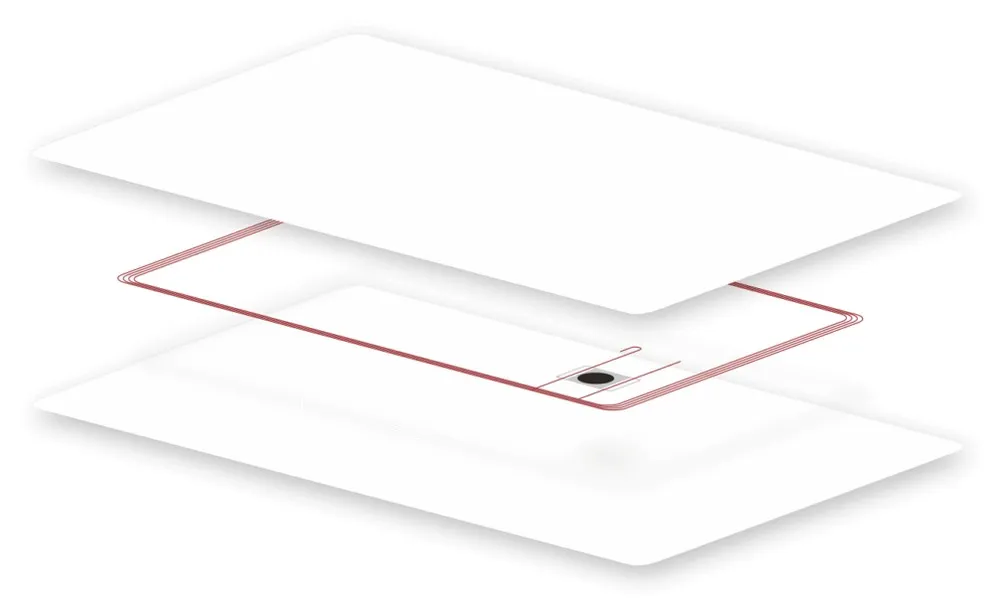
- Filme protetor → Camada impressa → Inlay RFID → Camada impressa → Filme protetor
- Dimensões
- Confirme formato, espessura final, tolerâncias e passagem pelo codificador no desenho e na amostra aprovados.
- Documentação do material
- Formulação e evidência do conteúdo de base biológica
- Evidência de desempenho
- Evidência de compostabilidade do artigo e aceitação local, se alegadas
Como as camadas se combinam
O diagrama mostra uma construção possível. Ordem, espessura relativa e componentes são ilustrativos; a especificação do fornecedor e a amostra aprovada definem o pedido.
Estrutura ilustrativa; confirme camadas e dimensões reais do projeto.
- Filme protetor Acabamento e camada de desgaste; confirme suporte e união.
- Camada impressa Arte no substrato escolhido; confirme tinta e processo.
- Inlay RFID Chip e antena; teste o conjunto com o sistema de acesso.
- Camada impressa Arte no substrato escolhido; confirme tinta e processo.
- Filme protetor Acabamento e camada de desgaste; confirme suporte e união.
Antes de aprovar a produção
- Registre fechadura, codificador, software e configuração da credencial; teste a amostra acabada no sistema instalado.
- Aprove arte, superfície, dimensões e condições de manuseio com uma amostra representativa.
- Confirme quantidade mínima, custos de amostras e produção, envio e prazo na proposta do projeto.
Perguntas sobre o material
De base biológica significa biodegradável?
Não. Uma alegação descreve origem ou conteúdo de carbono biológico; a outra, conversão sob condições específicas. A evidência de uma não comprova a outra.
Um cartão PHA ou PLA pode ser compostado em casa?
Não presuma isso. Grau, mistura, revestimentos e eletrônica importam; dados de compostagem industrial não comprovam compostabilidade doméstica. Verifique o artigo completo e a instalação receptora.
Como avaliar a resistência ao calor?
Use dados do grau e teste o cartão nas condições previstas de envio, armazenamento e uso. Um valor genérico não descreve todas as formulações PHA ou PLA.
Quais documentos devemos pedir?
Formulação, conteúdo de base biológica, construção completa e testes pertinentes, além dos originais de compostabilidade se alegada. Confirme uma coleta viável; não há aqui relatório publicado de compostabilidade do cartão acabado.
Comece a sua encomenda
Está a preparar a próxima encomenda de cartões?
Envie dados da fechadura e do codificador, quantidade por desenho, arte final e destino. Confirme opções, mínimo, custos de amostras e entrega no orçamento.