
Why Waterproof Paper Cards Beat PVC in Hot, Humid Climates
In hot, humid climates, PVC key cards can soften and warp over time. Waterproof paper cards hold up better. Here's why, and what hotels should verify first.

Standard PVC has been the default hotel key card material for decades, and for good reason: it's inexpensive, durable, and easy to print on. Wooden RFID key cards are the newer entrant, showing up mostly in boutique and luxury properties looking for a more distinctive guest touchpoint.
Neither material is objectively better. The right answer depends on your property type, guest volume, and what job the card actually needs to do. Here's how to compare them realistically instead of picking based on a single showcase photo.
It's worth saying plainly: the RFID chip inside a wooden card and a PVC card can be identical. Lock compatibility depends on the chip, frequency, and encoding your lock brand requires — Saflok, Onity, SALTO, VingCard, Kaba — not on whether the card body is wood or plastic. Compatibility should always be confirmed with a sample test before any production run, regardless of material.
For high-volume, high-turnover properties, standard PVC remains the practical choice. It costs less per card, tolerates rough handling and heavy re-encoding, and replacement is cheap enough that loss rates barely register on a budget line. Convention hotels, large city properties, and any operation issuing thousands of cards a month have little reason to move away from it wholesale.
Wood makes the most sense where the card itself contributes to how guests perceive the property: boutique hotels, luxury resorts, wellness retreats, and VIP or suite-tier programs. In these settings the card is closer to a brand touchpoint than a disposable tool, and guests are more likely to notice, and sometimes keep, a card with visible grain and a crafted finish.
| Factor | Wooden key cards | Standard PVC key cards |
|---|---|---|
| Brand perception | Premium, distinctive, natural | Familiar, standard |
| Cost per card | Higher | Lowest of the common materials |
| Durability profile | Strong for normal use, limited flex | Best-in-class for heavy circulation |
| Moisture tolerance | Limited | High |
| Typical use | Boutique, luxury, VIP, wellness | Standard rooms, high-volume properties |
| Lead time / MOQ | Longer, higher minimums | Fast, low minimums |
A hybrid strategy is the most common real-world outcome once buyers get past the wood-or-PVC framing. A typical setup looks like this:
This lets a property capture the branding upside of wood where it matters most, without absorbing the cost across every room in the building.
No. Security depends entirely on the RFID chip and your lock system's encoding, which is identical whether the card body is wood or PVC. The material has no effect on access security.
Yes, wood carries a real premium over PVC due to material cost, finishing, and lower production volumes. The gap narrows if wood is reserved for a smaller tier of rooms rather than an entire property.
You can, but most properties don't. A phased or hybrid approach, testing wood on one guest tier first, lets you validate guest response and durability before committing property-wide.
Confirm chip and lock compatibility first, then evaluate your property's humidity and handling conditions, choose a wood species and finish, and order samples for real-world testing before full production.
Weighing wood against PVC for your property? Contact Cardotel for free samples of both and a factory-direct quote based on your actual lock system.

In hot, humid climates, PVC key cards can soften and warp over time. Waterproof paper cards hold up better. Here's why, and what hotels should verify first.
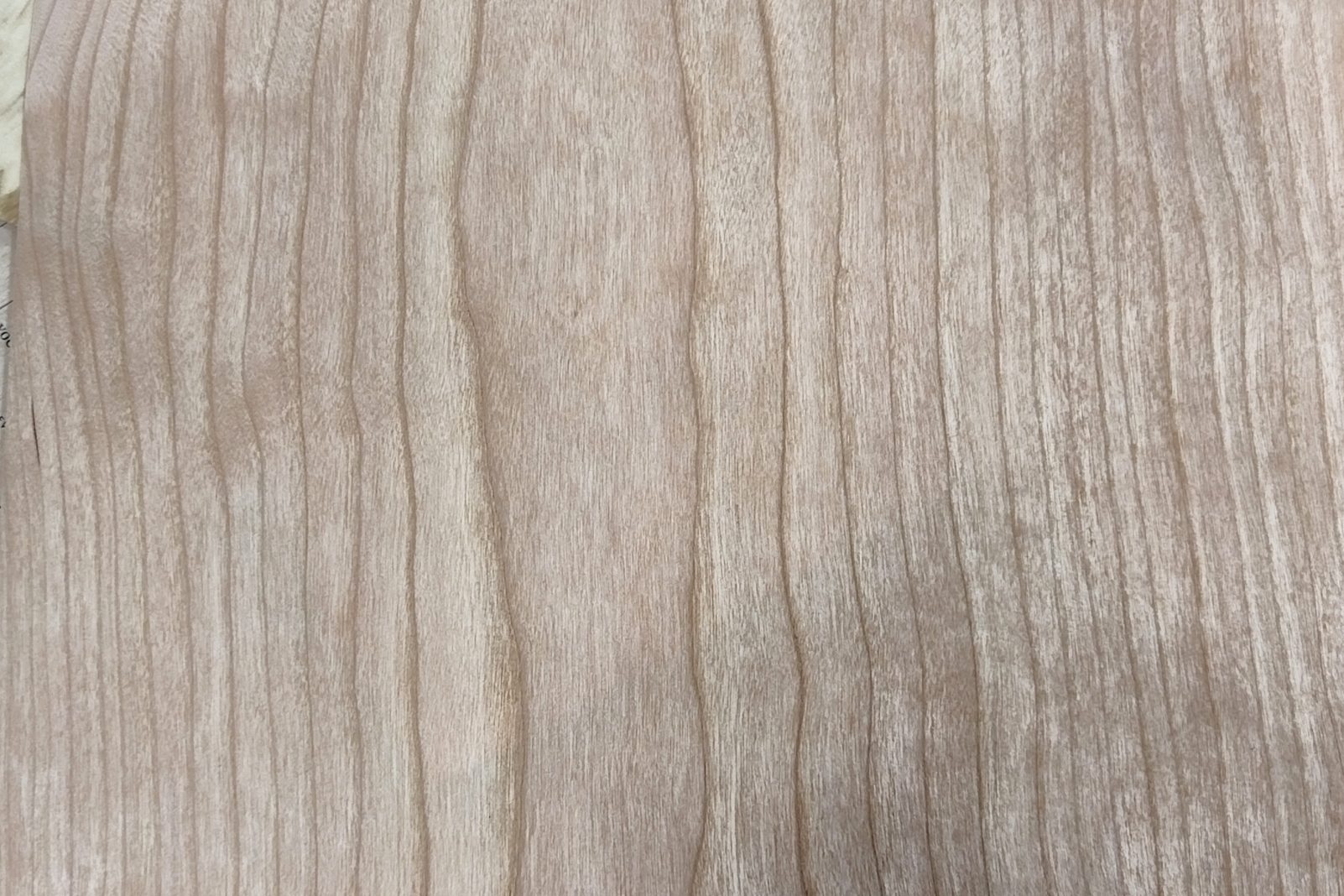
Paper and wooden hotel key cards both beat PVC on sustainability, but they suit different properties. Compare cost, durability, and feel to choose correctly.

Recycled PVC key cards sound sustainable, but the real story is more nuanced. Here's how PVC recycling actually works and what it means for hotel buyers.
Start your order
Send your lock brand and quantity — you will get a factory-direct quote and a free sample pack to test in your own locks before you commit.