
Wooden vs PVC Hotel Key Cards: Which Fits Your Property?
Wooden and PVC hotel key cards solve different problems. Compare cost, durability, and brand fit so you can choose the material that suits your property.
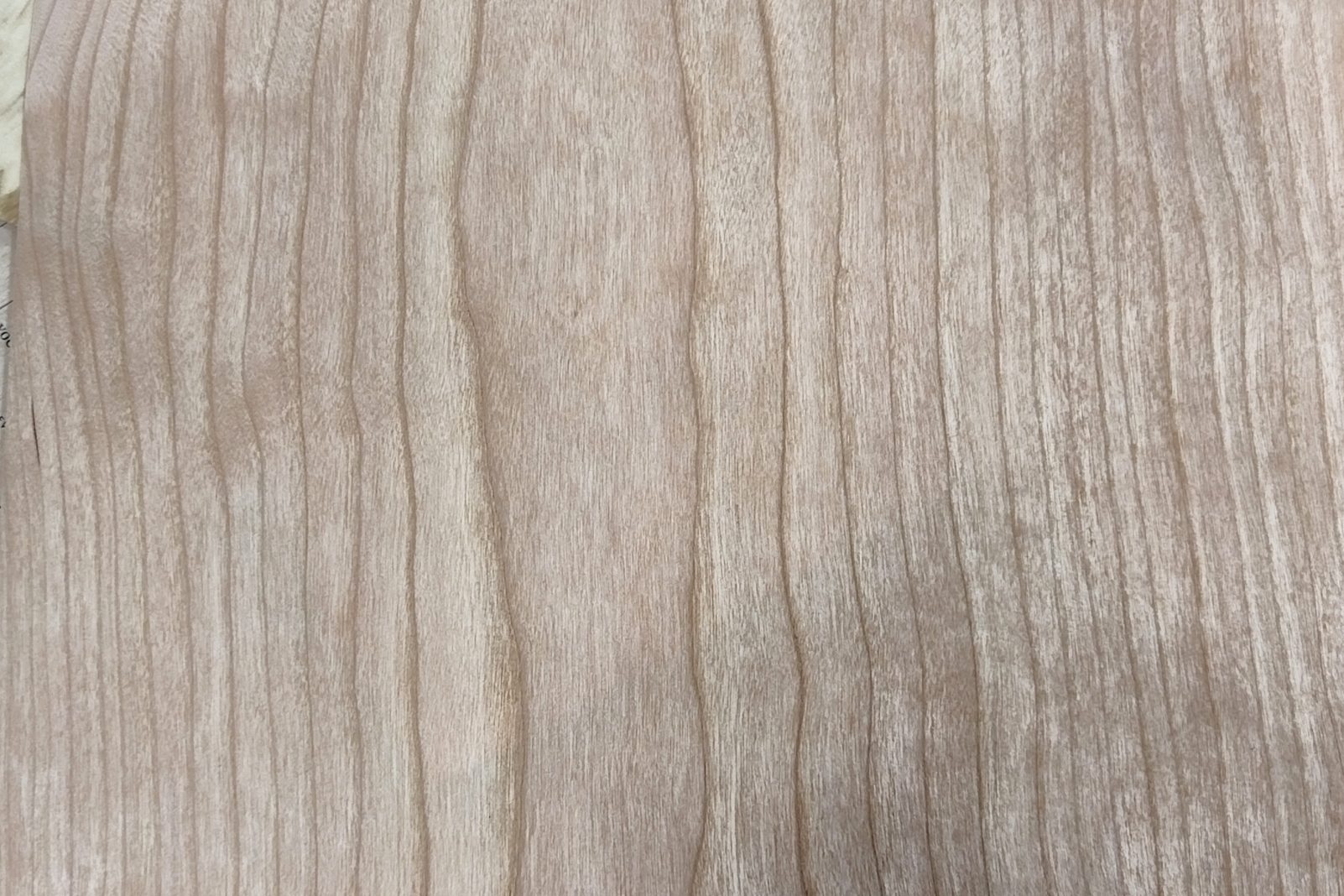
Once a hotel decides to move away from standard PVC, the next question is usually paper or wood, and the honest answer is that they solve different problems. Both are legitimate upgrades over plastic. Neither is automatically the right choice for every property.
This is a practical comparison built around the questions that actually determine which material fits: cost at your volume, how the cards will be handled, and what story you want the card to tell guests.
Waterproof paper (wood-free) cards are the economical, practical choice for high-turnover properties where cards are not returned. Wooden cards are the premium, brand-forward choice for properties where the card itself is part of the guest experience. Almost every other factor flows from that distinction.
Both fall under the same broader category of eco-friendly key cards, alongside bamboo and degradable PVC, if you want to compare every option at once.
Paper cards typically price close to standard PVC, which is what makes them workable at high volume — a resort issuing thousands of cards a month can absorb the cost without much strain. Wood costs meaningfully more per card, driven by the material itself and a more involved finishing process. At large volumes, that gap adds up quickly, which is why wood usually gets reserved for a smaller tier rather than an entire property.
A well-coated paper card is built to survive a typical stay — pool bags, wet hands, humid air — and is not expected to outlast the guest's visit. Wood handles longer-term circulation better and tolerates repeated re-encoding and pocket wear over months, but it is more sensitive to prolonged moisture than a properly coated paper card. If your cards are collected and reused for hundreds of stays, wood or standard PVC is the safer bet. If cards leave with the guest or get replaced every trip anyway, paper's shorter expected lifespan is a non-issue.
Paper takes offset and digital printing cleanly, which makes it a strong canvas for photography, gradients, and detailed graphics. Wood carries a natural grain that varies slightly card to card, a look brands either want or don't, with little middle ground. Properties chasing a clean, highly branded look tend to prefer paper; properties chasing a natural, crafted look tend to prefer wood.
| Factor | Waterproof paper (wood-free) | Wooden key cards |
|---|---|---|
| Cost vs. standard PVC | Close | Meaningfully higher |
| Weight | Light | Heavier |
| Water tolerance | Strong, when properly coated | Limited |
| Print and branding options | Full-color, high detail | Engraving or printed finish, more limited detail |
| Best fit | High-turnover resorts, short-stay properties | Boutique, luxury, VIP, keepsake programs |
Both are legitimate alternatives to PVC. Paper is wood-free and plastic-free, while wood can be sourced under FSC certification for documented sustainable forestry. Neither should be marketed as compostable or fully biodegradable; each has a specific, honest claim behind it.
Paper. It prices closer to standard PVC and scales more affordably than wood, which carries a per-card premium that compounds at large order quantities.
Yes, when properly coated for water resistance. That is one of the main reasons resort and water park properties tend to choose paper over wood.
Yes. Both use the same range of RFID chips as standard PVC cards — compatibility depends on matching the chip to your lock brand, not on the card material.
Not sure which fits your property? Request free samples of both waterproof paper and wooden key cards from Cardotel and compare them side by side.

Wooden and PVC hotel key cards solve different problems. Compare cost, durability, and brand fit so you can choose the material that suits your property.

In hot, humid climates, PVC key cards can soften and warp over time. Waterproof paper cards hold up better. Here's why, and what hotels should verify first.

Recycled PVC key cards sound sustainable, but the real story is more nuanced. Here's how PVC recycling actually works and what it means for hotel buyers.
Start your order
Send your lock brand and quantity — you will get a factory-direct quote and a free sample pack to test in your own locks before you commit.