
Wooden vs PVC Hotel Key Cards: Which Fits Your Property?
Wooden and PVC hotel key cards solve different problems. Compare cost, durability, and brand fit so you can choose the material that suits your property.

Eco-friendly and economical don't always describe the same key card, which is why this question comes up in almost every procurement conversation about sustainable hotel cards. The good news: for most hotels, the two goals are not actually in conflict.
Here is an honest look at how the main eco materials compare on true cost, not just sticker price, and which one usually comes out ahead for hotels trying to balance a sustainability goal against a real budget.
Comparing eco materials purely on cost-per-card misses how differently each one gets used. A card that's reissued every few months needs to survive years of circulation; a card handed to a guest for a five-night stay doesn't. Total cost per guest-stay — unit price divided by how many times a card actually gets used before replacement — is a more honest number, and it changes the ranking considerably.
Here is how the main materials in our eco key card lineup compare on price and typical replacement pattern.
| Material | Price vs. standard PVC | Typical replacement pattern |
|---|---|---|
| Waterproof paper (wood-free) | Close to PVC | Issued once per stay, not returned |
| Degradable PVC | Modest premium | Same as standard PVC — reused for years |
| Bamboo | Moderate premium | Reused across many stays |
| Real wood | Highest premium | Reused for years, or kept as a souvenir |
For most hotel programs, waterproof paper (wood-free) key cards come out as the most economical eco-friendly option, for a simple reason: they price close to standard PVC while eliminating plastic from the card body entirely. There is no long-term reuse expectation to justify a higher unit cost. The card just needs to survive one guest's stay, which a properly coated paper card does reliably, including wet hands and humid air.
Paper is not automatically the answer for every property. If your cards are collected and reused for years rather than handed out per stay, degradable PVC may be the more economical eco option: it matches standard PVC's cost and durability almost exactly, with the only difference being a documented landfill degradability profile. And for boutique or luxury properties where guests frequently keep the card, a wooden card's higher upfront cost can be offset by the fact that it rarely comes back for reissue at all. Some hotels essentially budget it as a marketing item rather than a consumable.
Any accurate quote needs all four data points, not just a material name.
None of these materials should be marketed as compostable or 100% biodegradable — that is simply not an accurate claim for any current key card format. What you can say honestly: waterproof paper cards contain no PVC or PET; wood can be sourced under FSC chain-of-custody certification; and degradable PVC is independently tested to ASTM D3826 and D5208 for degradation under landfill conditions. Specific, documented claims hold up. Broad ones do not.
Waterproof paper (wood-free) typically prices closest to standard PVC, making it the most economical eco option for most hotel programs, especially where cards are issued once per stay.
Degradable PVC usually costs less than wood and is comparable to or slightly above paper, while matching standard PVC's durability almost exactly, a good fit for programs that reuse cards over years.
Not always, and rarely by much when they are. Waterproof paper often prices very close to PVC, and even where there is a premium, lower replacement needs can offset it over the life of a card program.
No current key card material should be marketed that way. The accurate, defensible claims are FSC-certified sourcing for wood and ASTM D3826/D5208-tested landfill degradability for degradable PVC — both real, both specific, but neither the same as fully biodegradable.
Want real numbers for your property's volume? Contact Cardotel for a factory-direct quote across paper, wood, and degradable PVC, plus free samples to compare.

Wooden and PVC hotel key cards solve different problems. Compare cost, durability, and brand fit so you can choose the material that suits your property.

In hot, humid climates, PVC key cards can soften and warp over time. Waterproof paper cards hold up better. Here's why, and what hotels should verify first.
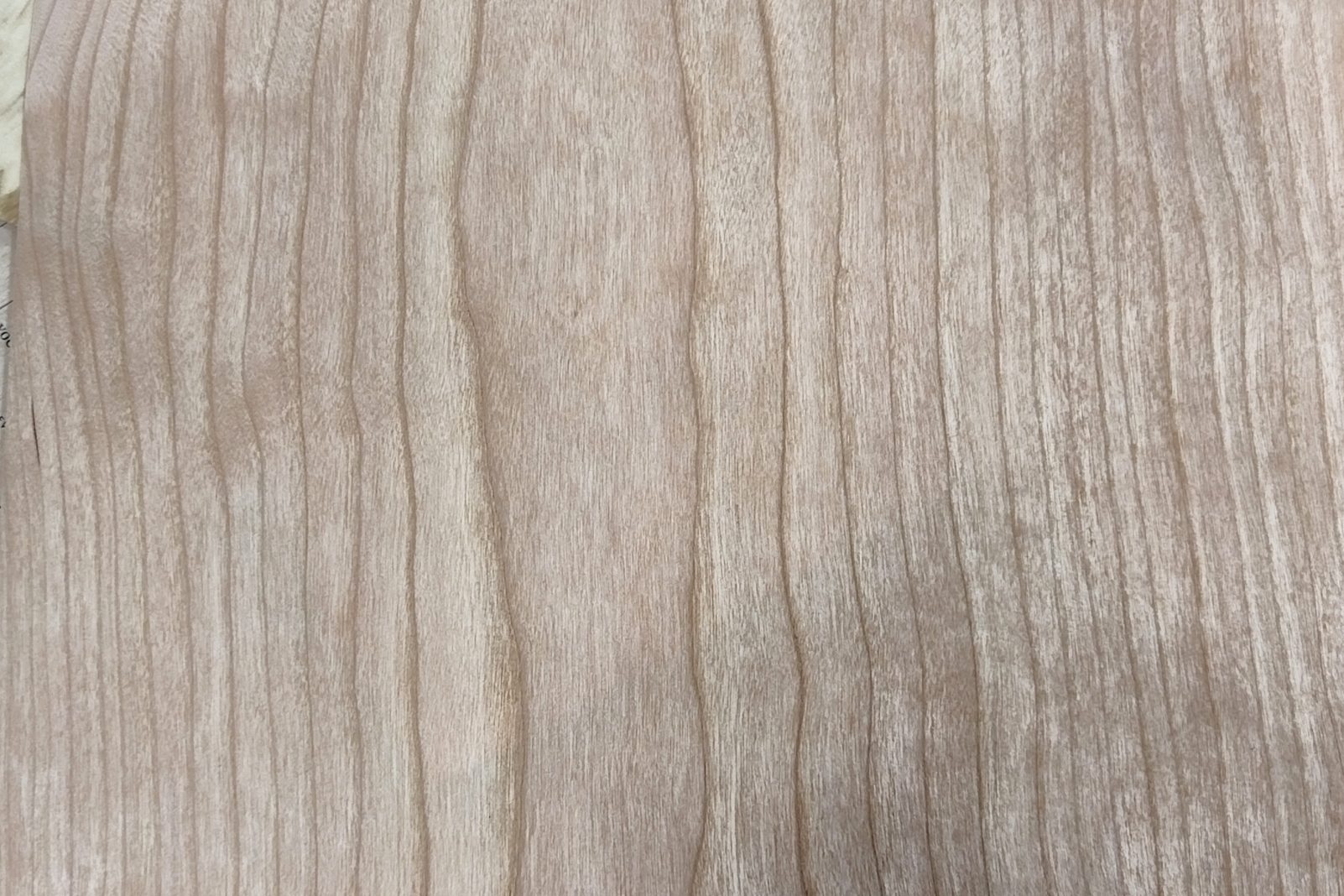
Paper and wooden hotel key cards both beat PVC on sustainability, but they suit different properties. Compare cost, durability, and feel to choose correctly.
Start your order
Send your lock brand and quantity — you will get a factory-direct quote and a free sample pack to test in your own locks before you commit.