
Wooden vs PVC Hotel Key Cards: Which Fits Your Property?
Wooden and PVC hotel key cards solve different problems. Compare cost, durability, and brand fit so you can choose the material that suits your property.
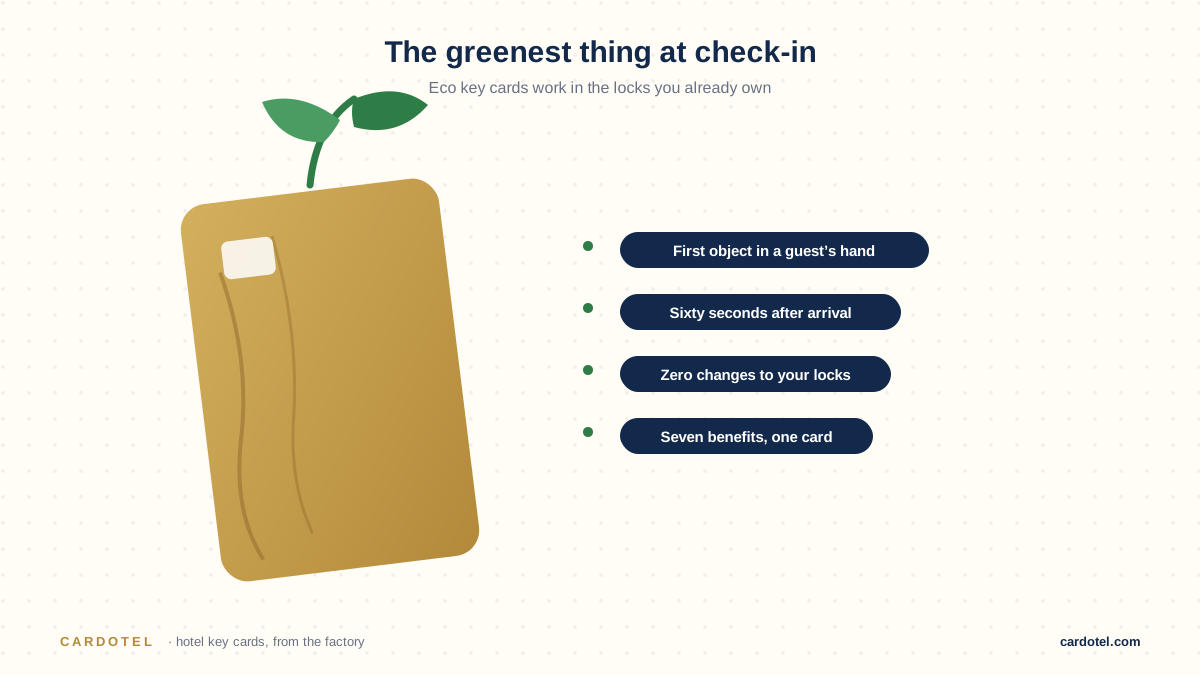
Every guest who checks into your hotel holds a key card within the first sixty seconds of arrival. It's one of the few physical objects a property gets to put directly into a guest's hand, and for a growing number of hotels, that small rectangle is now made from wood, wood-free paper, or landfill-degradable PVC instead of standard plastic.
The shift isn't only about optics. Eco-friendly key cards change durability, cost patterns, and the story your front desk can honestly tell — for the better in most cases, with a few trade-offs worth understanding before you switch an entire property over.
Here are seven concrete benefits hotels report after moving some or all of their key card program to eco materials, plus where each one has limits.
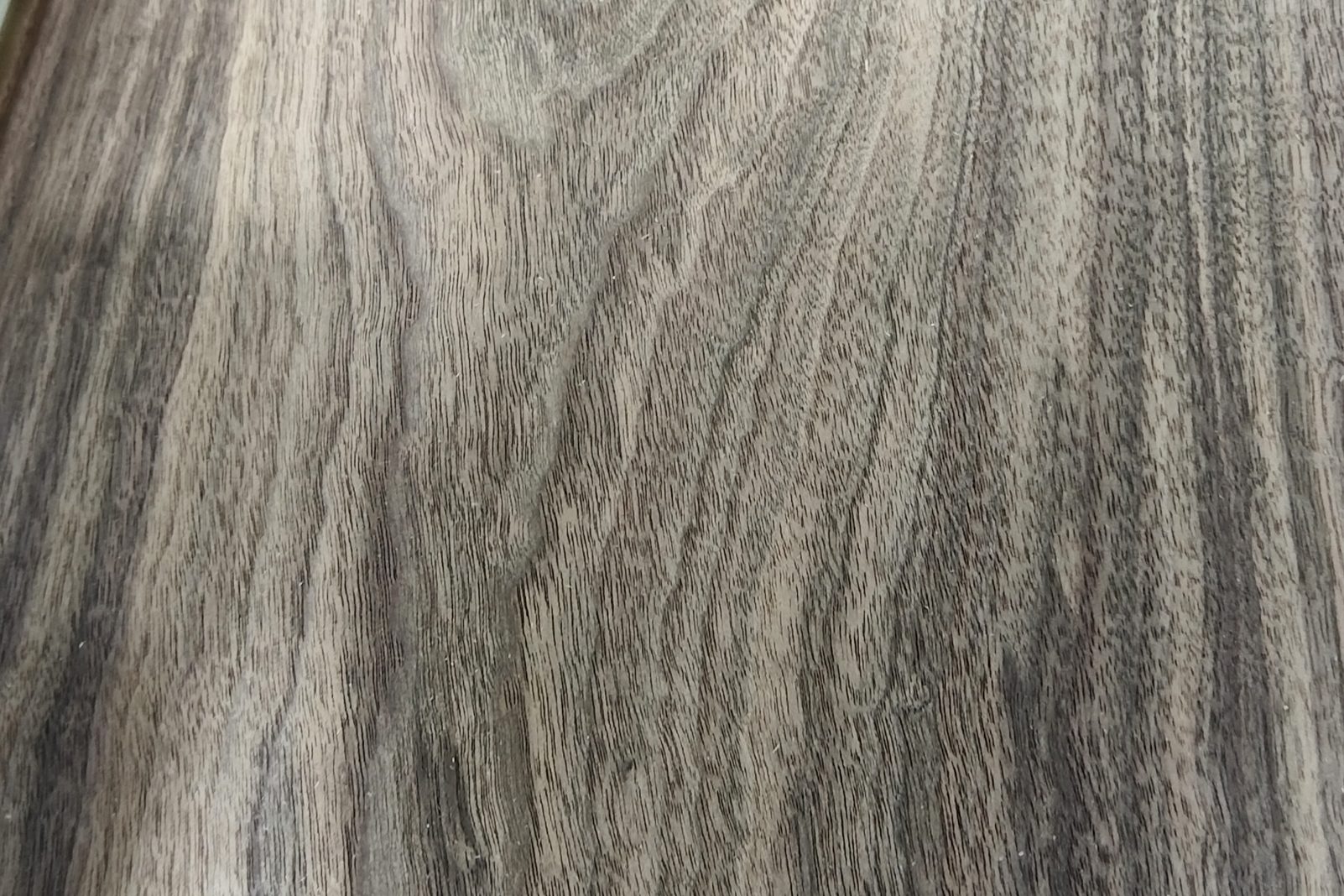
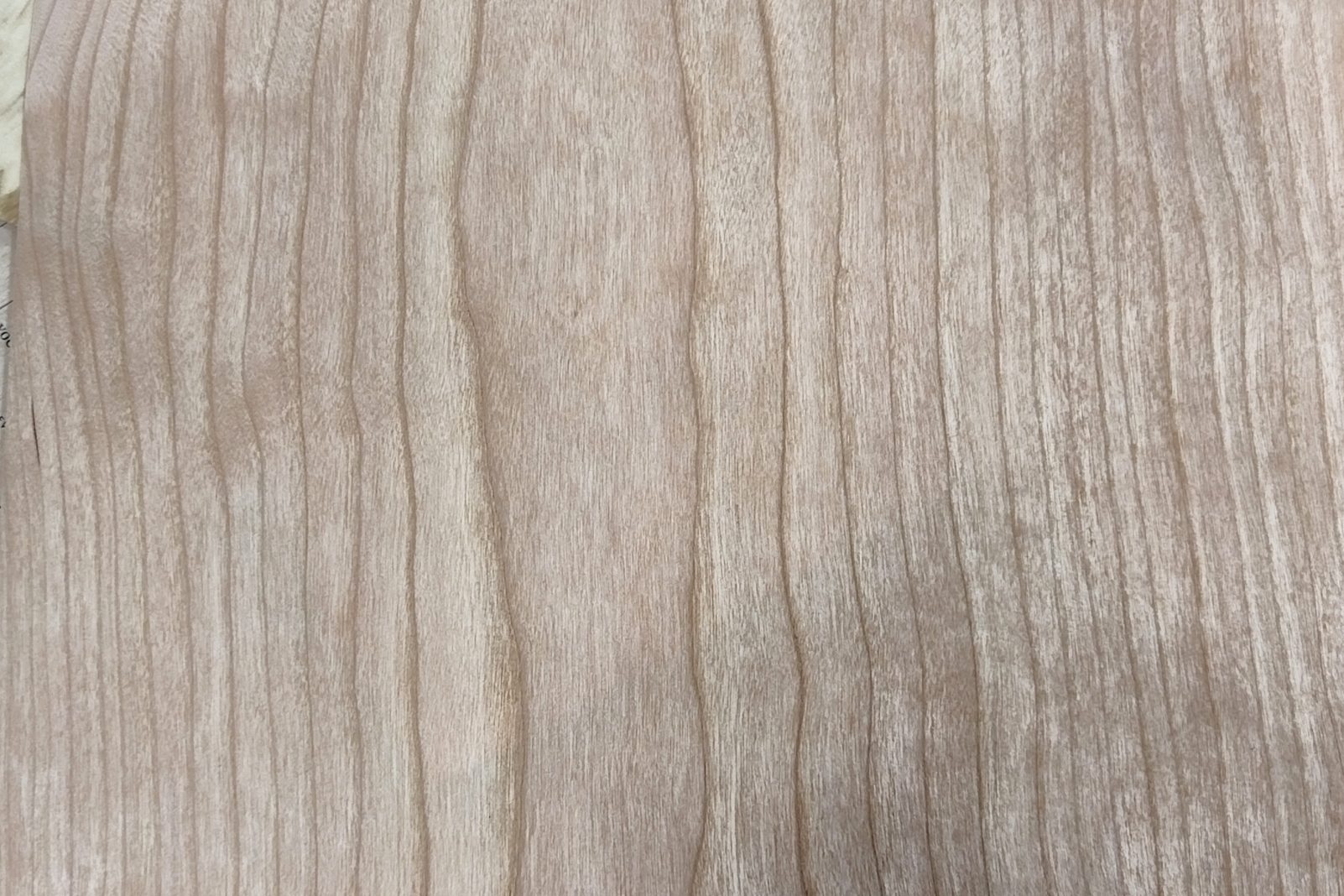
A card with visible wood grain or a soft matte paper finish reads differently in a guest's hand than a glossy plastic card. It signals that the property paid attention to a detail most guests assume is an afterthought. For boutique and luxury properties especially, that first tactile moment can reinforce a brand promise before the guest even reaches the elevator.
Guests and corporate travel buyers are increasingly skeptical of vague sustainability branding claims. Eco key cards give hotels something concrete to point to instead: FSC-certified wood sourcing, a wood-free paper body with no PVC or PET in it, or a PVC formula independently tested for landfill degradability under ASTM D3826 and D5208. Specific, documented claims hold up to questions in a way generic marketing language never does.
Different eco materials solve different durability problems. Wood and bamboo cards shrug off months of pocket-and-wallet handling. Waterproof paper cards, when coated properly, tolerate wet hands and humid air far better than uncoated paper ever could. No single eco material is the toughest option across the board — standard PVC still wins on raw abuse resistance — but each eco option is durable enough for its intended use case, which is the only test that matters operationally.
Eco cards are rarely the cheapest line item per piece, and it's honest to say so upfront. But unit price is not the same as cost per guest-stay. A wooden card kept by a guest as a keepsake never gets reissued. A well-coated paper card built for a five-night stay doesn't need PVC-grade toughness to do its job. When you compare cost against actual replacement and reorder frequency, the gap between eco materials and standard PVC often narrows considerably.
This is the detail that stops a lot of eco conversions before they start, unnecessarily. The RFID chip and antenna inside an eco key card are the same components used in a standard PVC card — Saflok, Onity, SALTO, VingCard, and Kaba systems read the chip, not the card body. Switching materials does not mean replacing lock hardware or reprogramming your property management system.
Most guests can't tell one hotel's PVC card from another's. A distinctive card material is one of the few inexpensive ways a property can stand out during a moment guests are actually paying attention to: check-in. For independent hotels competing against branded chains on a smaller marketing budget, that differentiation is worth more than the card itself costs.
What happens to a card after checkout matters more than it used to, both to guests and to corporate sustainability audits. Wood and paper cards can generally join paper or organic waste streams once the RFID inlay is removed, and degradable PVC is engineered specifically to break down under landfill conditions rather than persist indefinitely. None of this makes a card compostable or 100% biodegradable — those claims don't hold up to scrutiny for any current key card material — but each option gives you a documented, defensible answer when someone asks what happens to the card after the guest checks out.
| Material | Cost vs. standard PVC | Best fit |
|---|---|---|
| Wooden key cards | Higher per piece | Boutique, luxury, VIP and keepsake programs |
| Waterproof paper (wood-free) | Close to PVC | High-turnover resorts and short-stay properties |
| Degradable PVC | Modest premium | Properties wanting zero operational change |
| Bamboo | Moderate premium | Mid-volume programs wanting a warmer look |
Most properties don't pick one eco material exclusively. A common approach pairs eco key cards for suites or premium packages with standard cards for high-turnover rooms, then expands the eco share as guest response confirms it's working.
Yes. The chip and antenna are identical to what's inside a standard PVC card, so Saflok, Onity, SALTO, VingCard, and Kaba systems read them the same way. Always confirm with a sample test in your own doors before ordering in volume — our FAQ page covers chip compatibility in more depth.
Waterproof paper (wood-free) cards typically sit closest to standard PVC pricing, which is why they're the common choice for resorts and other high-turnover properties.
It depends on the material and the claim. Degradable PVC is tested to ASTM D3826 and D5208 for degradation under landfill conditions — that's a documented, specific claim, not a blanket biodegradable label. Wood and paper cards are made from renewable, plastic-free materials, but neither should be marketed as compostable.
Yes, and most hotels start this way. A typical rollout uses eco cards for suites, VIP guests, or a specific wing, then expands based on cost and guest feedback.
Curious which eco material fits your property and your locks? Contact Cardotel for a factory-direct quote and a free sample pack to test on your own doors.

Wooden and PVC hotel key cards solve different problems. Compare cost, durability, and brand fit so you can choose the material that suits your property.

In hot, humid climates, PVC key cards can soften and warp over time. Waterproof paper cards hold up better. Here's why, and what hotels should verify first.
Paper and wooden hotel key cards both beat PVC on sustainability, but they suit different properties. Compare cost, durability, and feel to choose correctly.
Start your order
Send your lock brand and quantity — you will get a factory-direct quote and a free sample pack to test in your own locks before you commit.