
Matériaux · PVC
Cartes-clés d’hôtel en PVC
Le pilier de la réception
Le PVC est une option courante pour les cartes imprimées. Comparez finition, épaisseur et spécification complète de votre projet.
Prix indicatif par carte
- RFID PVC, compatible MIFARE Classic 1K
- $0.10 – $0.30 par carte
- RFID PVC, MIFARE Ultralight C (ULC)
- $0.16 – $0.30 par carte
- Carte-clé à piste magnétique (LoCo, PVC)
- $0.03 – $0.10 par carte
Fourchettes indicatives en USD par carte pour 1 000 à 4 999 pièces par visuel, impression offset quadrichromie incluse, EXW Dongguan. Le fret, les droits de douane, les taxes, les finitions spéciales, les pochettes et la préparation des identifiants font l’objet d’un devis séparé ; le prix exact est fixé dans un devis daté.Grille tarifaire complète et tranches de quantité (en anglais)
Une fourchette de prix n’est pas une déclaration de compatibilité. Confirmez la puce avec des échantillons de test dans vos propres serrures avant de commander.
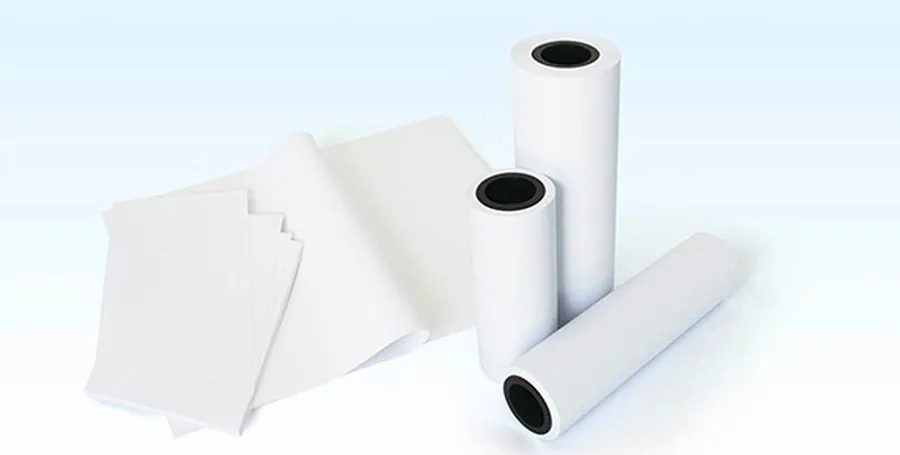
Des feuilles de PVC peuvent être laminées autour d’un inlay RFID. Usure et tenue thermique dépendent du grade, de la protection et de l’usage ; le corps en PVC ne garantit pas la compatibilité avec la serrure.
Pourquoi le PVC perdure
Options d’impression
Validez couleurs et finitions sur une épreuve physique.
Construction laminée
Confirmez noyau, couches et dimensions finales.
Réutilisation
Évaluez flexion, usure et réencodage en conditions prévues.
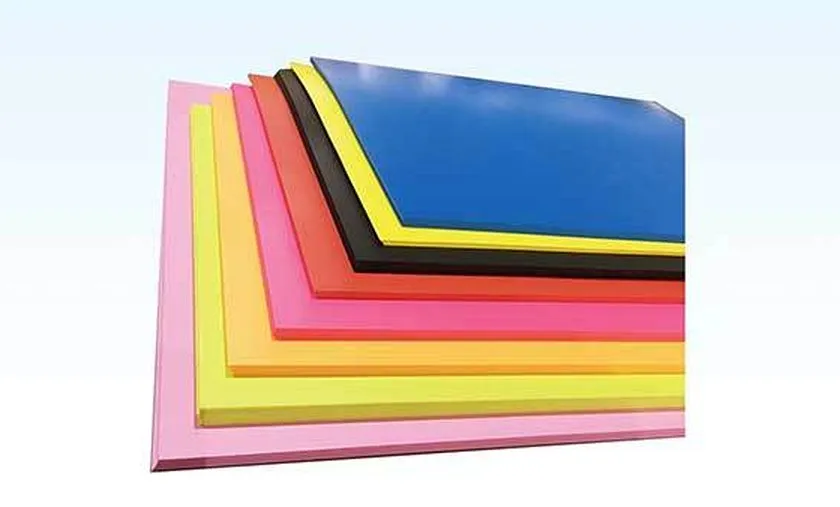
Points à préciser dans la spécification
- Matériau
- PVC standard
- Couches illustratives
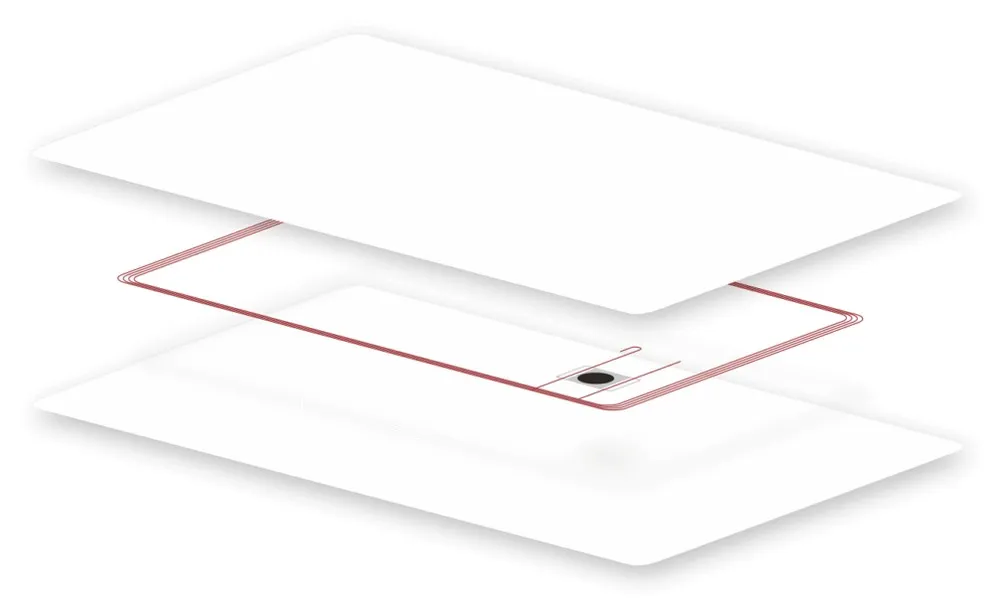
- Film de protection → Couche imprimée → Inlay RFID → Couche imprimée → Film de protection
- Dimensions
- Confirmez format, épaisseur finale, tolérances et passage dans l’encodeur sur le plan et l’échantillon approuvés.
- Documents du matériau
- Fiche du grade et dimensions de la carte
- Justificatifs de performance
- Déclarations chimiques et essais applicables à la construction proposée
Comment les couches s’assemblent
Ce schéma illustre une construction possible. Ordre, épaisseur relative et composants sont indicatifs ; la spécification fournisseur et l’échantillon approuvé définissent la commande.
Empilage illustratif ; confirmez les couches et dimensions réelles du projet.
- Film de protection Finition et couche d’usure ; vérifiez support et assemblage.
- Couche imprimée Graphismes sur le support retenu ; confirmez encre et procédé.
- Inlay RFID Puce et antenne ; testez l’ensemble avec le système d’accès.
- Couche imprimée Graphismes sur le support retenu ; confirmez encre et procédé.
- Film de protection Finition et couche d’usure ; vérifiez support et assemblage.
Avant de valider la production
- Relevez serrure, encodeur, logiciel et configuration du badge ; testez l’échantillon fini sur le système installé.
- Approuvez graphisme, surface, dimensions et conditions de manipulation sur un échantillon représentatif.
- Confirmez minimum, frais d’échantillon et de production, expédition et délai dans le devis du projet.
Comparer les options associées
Questions sur le matériau
Quelle épaisseur spécifier pour une carte PVC ?
Un corps de 0,76 mm est un point de départ courant. Confirmez épaisseur finale, tolérances et éventuelle piste magnétique selon l’encodeur, puis approuvez un échantillon.
Peut-on laisser une carte PVC dans une voiture chaude ?
Chaleur et pression peuvent la déformer. Le ramollissement de la résine n’est pas une limite de service de la carte ; définissez transport et stockage et testez l’ensemble.
Quelles finitions sont envisageables sur PVC ?
Impression offset ou numérique, tons directs, dorure et films peuvent être étudiés. La combinaison dépend du procédé ; une épreuve physique permet de valider couleur, adhésion et finition.
Les cartes usagées sont-elles recyclables ?
Interrogez un collecteur qui accepte la carte complète, puce, antenne et piste éventuelle comprises. Une résine recyclable ne signifie pas que la collecte municipale accepte le badge fini.
Démarrez votre commande
Vous préparez votre prochaine commande de cartes-clés ?
Indiquez serrure et encodeur, quantité par visuel, fichier et destination. Confirmez options, minimum, frais d’échantillons et livraison dans le devis.