
Materiales · PVC
Tarjetas llave de PVC para hoteles
El caballo de batalla de la recepción
El PVC es una opción habitual para tarjetas impresas. Compare acabado, espesor y especificación completa para su proyecto.
Precio orientativo por tarjeta
- RFID PVC, compatible con MIFARE Classic 1K
- 0,10 – 0,30 USD por tarjeta
- RFID PVC, MIFARE Ultralight C (ULC)
- 0,16 – 0,30 USD por tarjeta
- Tarjeta llave de banda magnética (LoCo, PVC)
- 0,03 – 0,10 USD por tarjeta
Rangos orientativos en USD por tarjeta para 1.000–4.999 unidades por diseño, con impresión offset a cuatro colores incluida, EXW Dongguan. El transporte, los aranceles, los impuestos, los acabados especiales, las fundas y la preparación de la credencial se presupuestan aparte; el precio exacto se fija en un presupuesto fechado.Tabla de precios completa y tramos por cantidad
Un rango de precios no es una declaración de compatibilidad. Confirme el chip con muestras de prueba en sus propias cerraduras antes de hacer el pedido.
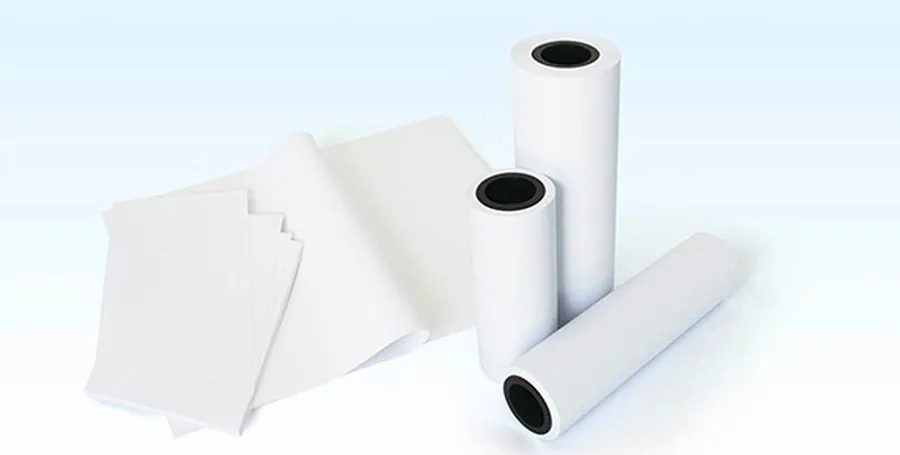
Las láminas de PVC pueden laminarse alrededor de un inlay RFID. El desgaste y la resistencia térmica dependen del grado, la capa protectora y el uso; el cuerpo de PVC no garantiza compatibilidad con la cerradura.
Por qué el PVC perdura
Opciones de impresión
Revise colores y acabados con una prueba física.
Construcción laminada
Confirme núcleo, capas y dimensiones finales.
Reutilización
Evalúe flexión, desgaste y recodificación en condiciones reales.
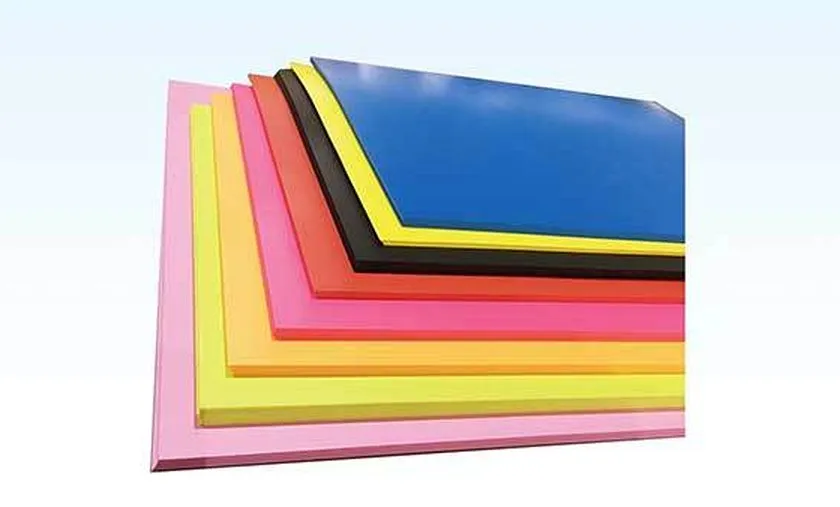
Puntos para definir la especificación
- Material
- PVC Estándar
- Capas ilustrativas
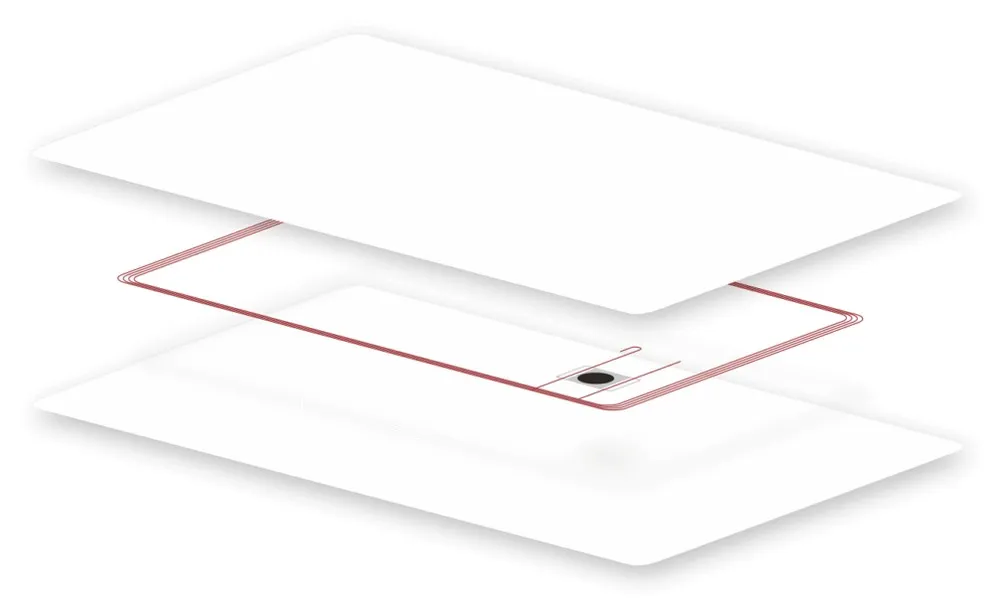
- Película protectora → Capa impresa → Inlay RFID → Capa impresa → Película protectora
- Dimensiones
- Confirme formato, espesor final, tolerancias y paso por el codificador en el plano y la muestra aprobados.
- Documentación del material
- Ficha del grado y dimensiones de la tarjeta
- Evidencia de desempeño
- Declaraciones químicas y ensayos aplicables a la construcción propuesta
Cómo se combinan las capas
El diagrama muestra una construcción posible. Orden, espesor relativo y componentes son ilustrativos; la especificación del proveedor y la muestra aprobada definen el pedido.
Esquema ilustrativo; confirme capas y dimensiones reales del proyecto.
- Película protectora Capa de acabado y desgaste; confirme soporte y adhesión.
- Capa impresa Gráficos sobre el sustrato elegido; confirme tinta y proceso.
- Inlay RFID Chip y antena; pruebe el conjunto con el sistema de acceso.
- Capa impresa Gráficos sobre el sustrato elegido; confirme tinta y proceso.
- Película protectora Capa de acabado y desgaste; confirme soporte y adhesión.
Antes de aprobar la producción
- Registre cerradura, codificador, software y configuración de credencial; pruebe la muestra final en el sistema instalado.
- Apruebe diseño, superficie, dimensiones y condiciones de manipulación con una muestra representativa.
- Confirme cantidad mínima, cargos de muestras y producción, envío y plazo en la oferta del proyecto.
Preguntas sobre el material
¿Qué espesor conviene especificar?
Un cuerpo de 0,76 mm es un punto de partida habitual. Confirme espesor final, tolerancias y banda magnética con las especificaciones del codificador, y apruebe una muestra.
¿Puede dejarse una tarjeta PVC en un coche caliente?
El calor y la presión pueden deformarla. La temperatura de reblandecimiento de la resina no es un límite de servicio de la tarjeta; defina transporte y almacenamiento y pruebe el conjunto.
¿Qué acabados admite el PVC?
Pueden evaluarse impresión offset o digital, colores directos, foil y capas protectoras. La combinación disponible depende del proceso; una prueba física permite aprobar color, adhesión y acabado.
¿Se pueden reciclar las tarjetas usadas?
Consulte a un gestor que acepte la tarjeta completa, con chip, antena y banda si la lleva. Que la resina sea reciclable no significa que la recogida municipal acepte la credencial.
Inicie su pedido
¿Está preparando su próximo pedido de tarjetas?
Envíe datos de cerradura y codificador, cantidad por diseño, arte final y destino. Confirme opciones, mínimo, costes de muestras y entrega en el presupuesto.